
Keto vs Ketovore: What Is the Difference?
A practical kosher guide to understanding keto, ketovore, when to use each one, and how to choose the right level for your body, your kitchen, and your real life.
Keto and ketovore both reduce carbohydrates, both can help with appetite control, and both can work inside a kosher kitchen. But they are not exactly the same approach.
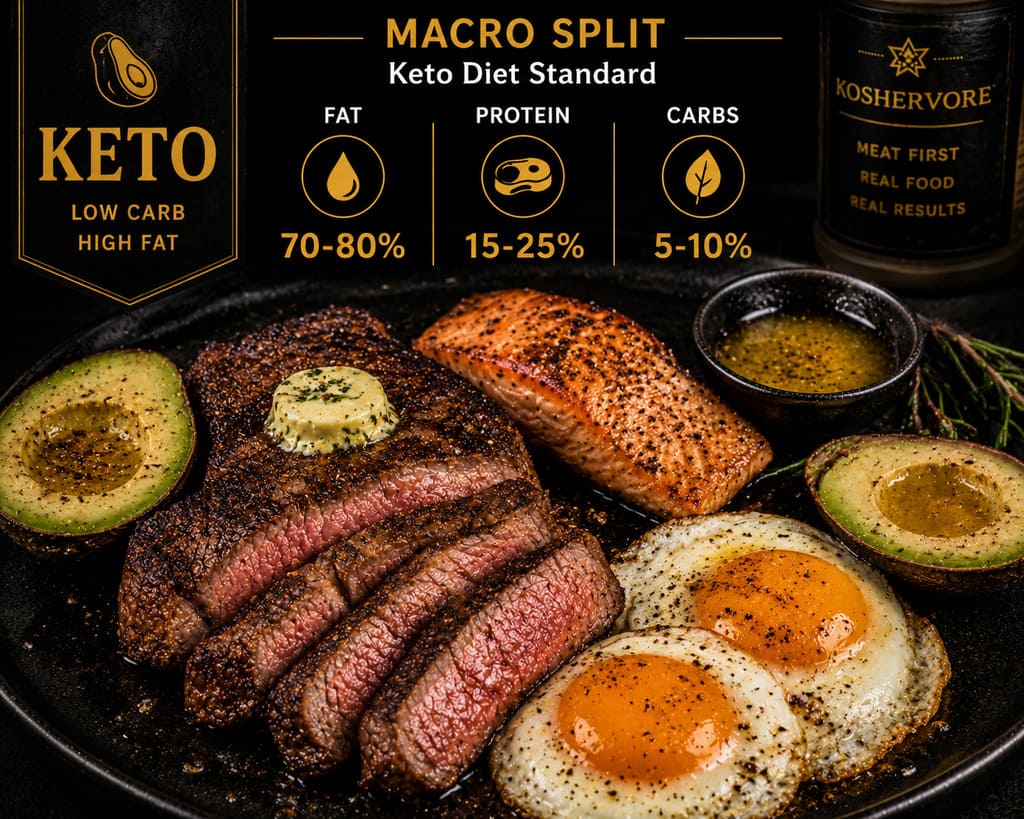
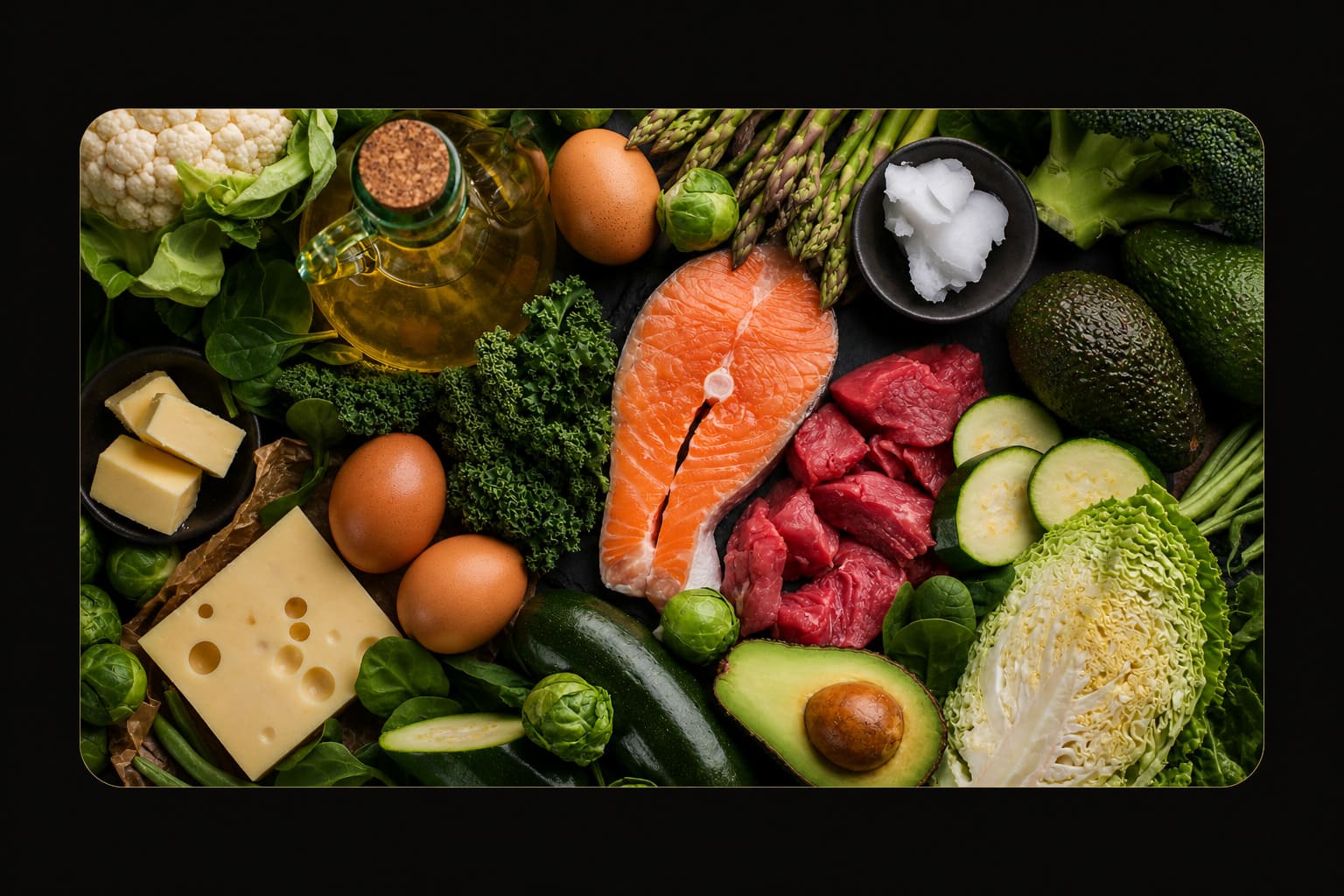
Keto is usually macro-focused. The main idea is to keep carbs low enough that your body can use fat and ketones more efficiently. Keto meals can include meat, chicken, fish, eggs, dairy meals, low-carb vegetables, avocado, nuts, olive oil, and keto-friendly ingredients.
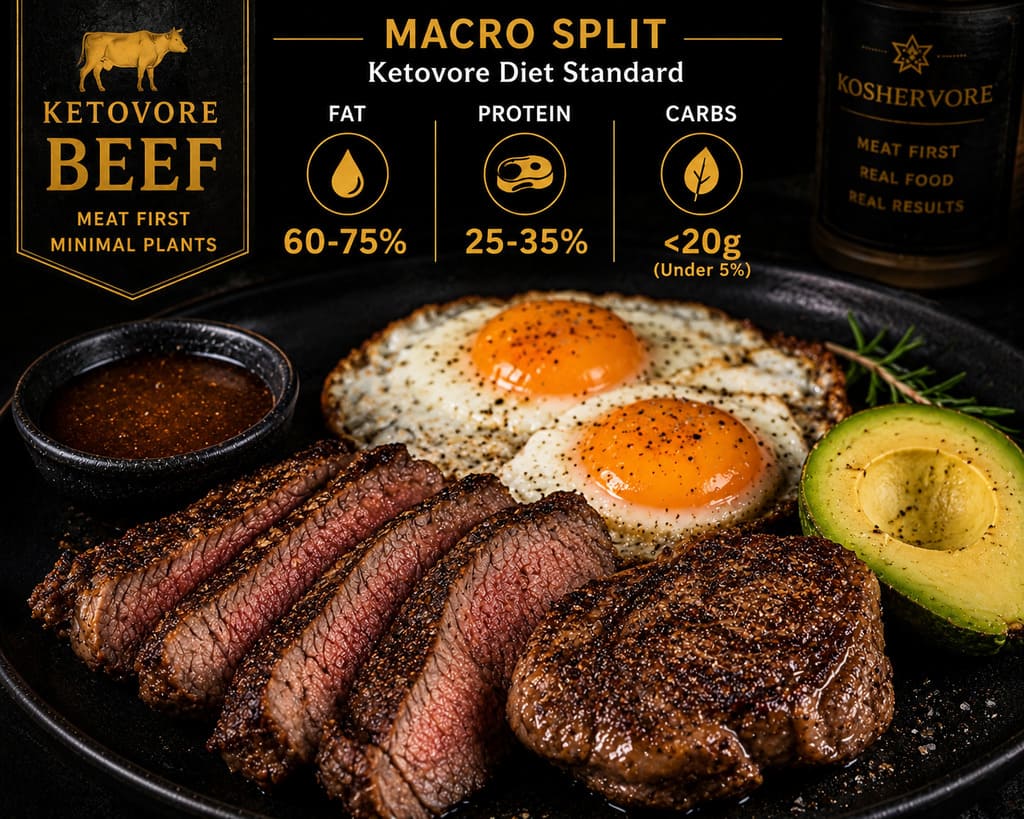
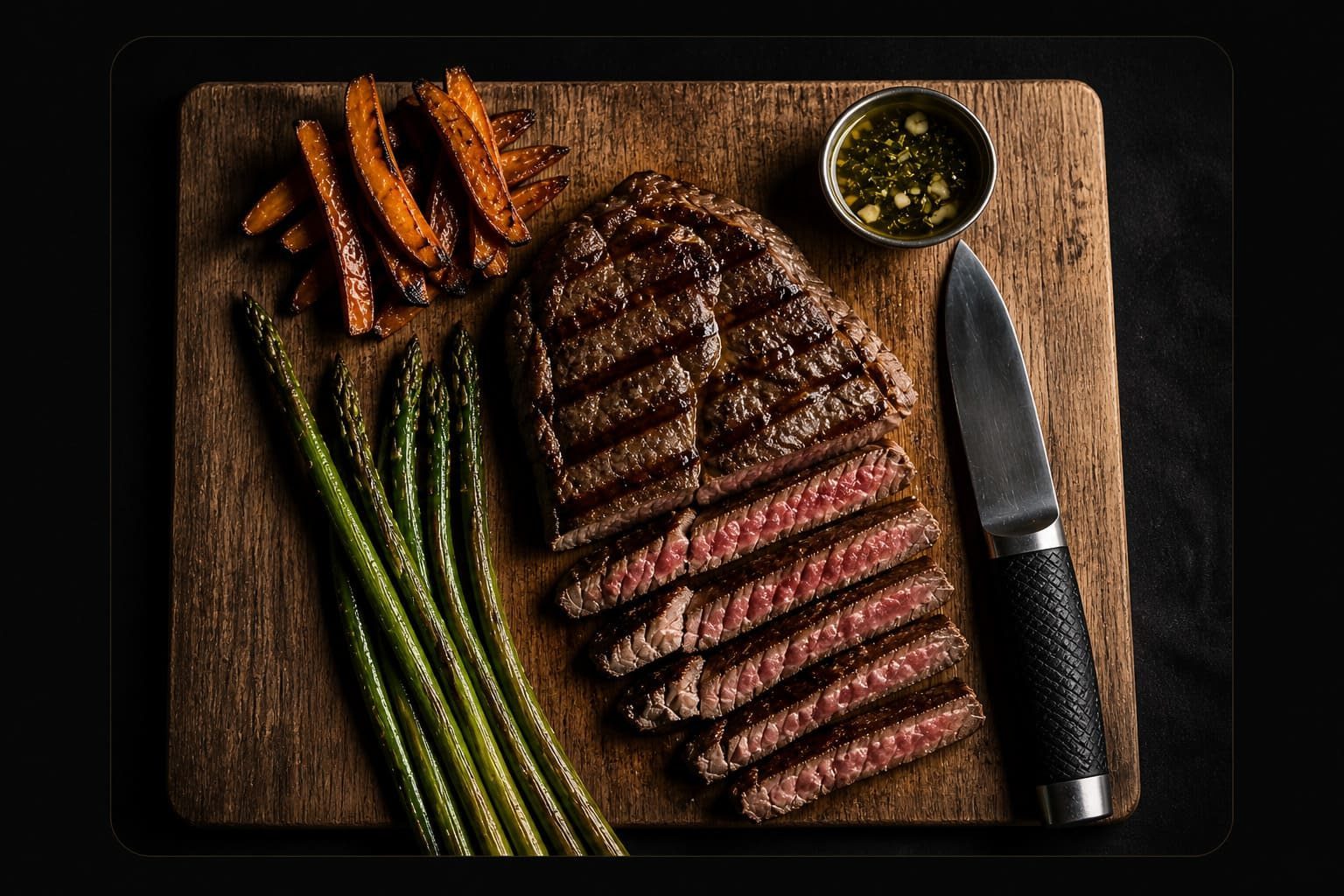
Ketovore is more food-focused. It is meat-first, simpler, and usually closer to carnivore while still allowing some flexibility. A ketovore plate is usually built around beef, lamb, chicken, eggs, or fish, with only small amounts of low-carb sides if needed.
Quick Answer: Keto vs Ketovore
Keto asks, “How many carbs and macros are in this meal?” Ketovore asks, “Is this meal mostly animal-based, simple, and satisfying?”
What Is Keto?
Keto is a low-carb, higher-fat way of eating designed to keep carbohydrates low enough for the body to shift away from relying heavily on sugar and starch. For many people, keto means staying around 20 to 50 grams of carbs per day, depending on goals and tolerance.
A kosher keto meal might be grilled chicken with salad and avocado, salmon with low-carb vegetables, eggs with cheese as a dairy meal, or beef with roasted cauliflower and olive oil. Keto allows more variety than carnivore or ketovore, but that variety can sometimes become confusing.
Keto works best when the food is still simple and real. If keto becomes mostly sweeteners, keto desserts, nut flours, bars, and snacks, cravings can stay active and progress may slow down.
What Is Ketovore?
Ketovore sits between keto and carnivore. It is usually meat-first, low-carb, and simple. It keeps the benefits of keto structure but removes much of the food noise that can come from too many low-carb products and plant-based extras.
A ketovore plate might be steak and eggs, chicken thighs with cucumber, burgers with pickles, lamb with broth, or beef with avocado. The plant foods are usually small and optional, not the centre of the meal.
Ketovore is especially helpful for people who feel better when most of their food comes from animal foods, but who do not want to stay fully carnivore every day.
Keto vs Ketovore at a Glance
Both can work. The difference is how much flexibility you want and how simple your food needs to be.
Simple Comparison
- Main focus: Keto focuses on carbs, macros, ketosis, and low-carb structure. Ketovore focuses on meat-first meals with limited low-carb extras.
- Carb level: Keto is often around 20 to 50 grams per day. Ketovore is often lower, commonly around 10 to 20 grams per day.
- Food variety: Keto allows more variety. Ketovore uses less variety and more animal-based simplicity.
- Best for: Keto works well for people who want structure with wider food choices. Ketovore works well for people who want simplicity and fewer trigger foods.
- Main risk: Keto can become too snack-heavy. Ketovore can become too strict if you do not plan properly.
- Kosher concern: Both must avoid bacon, pork, shellfish, meat and dairy combinations, and meat and fish combinations.
The Kosher Difference
Most keto and ketovore advice online is not written for a kosher kitchen. KosherVore keeps the structure clear: no bacon, no pork, no shellfish, no meat and dairy combinations, and no meat and fish combinations.
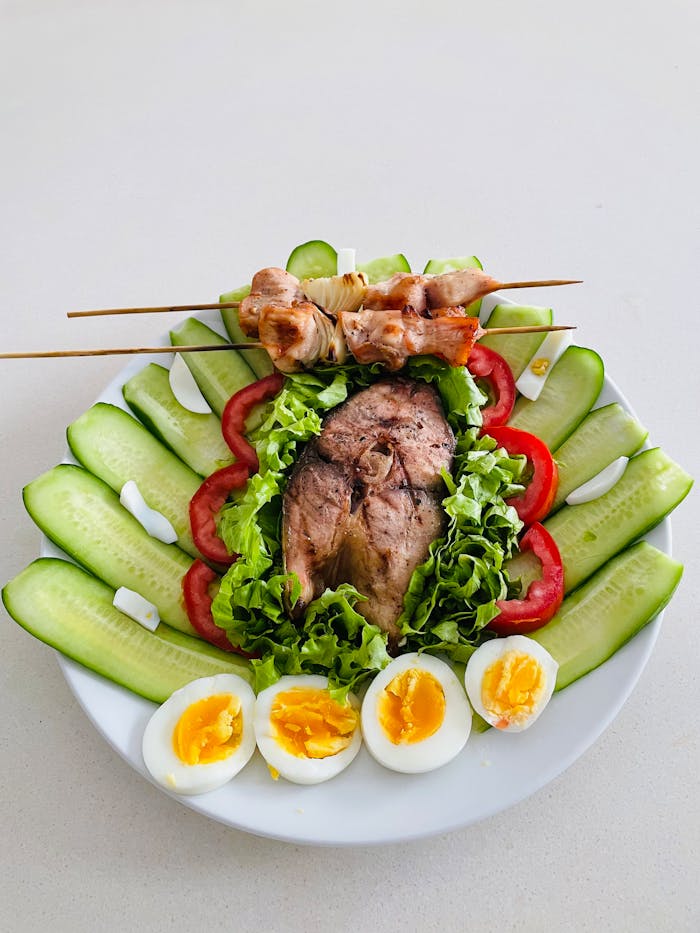
What a Keto Plate Looks Like
Keto gives you more flexibility. The plate is still low-carb, but it can include more vegetables, dairy meals, sauces, and structured keto ingredients when they are kosher.
Chicken and Vegetables
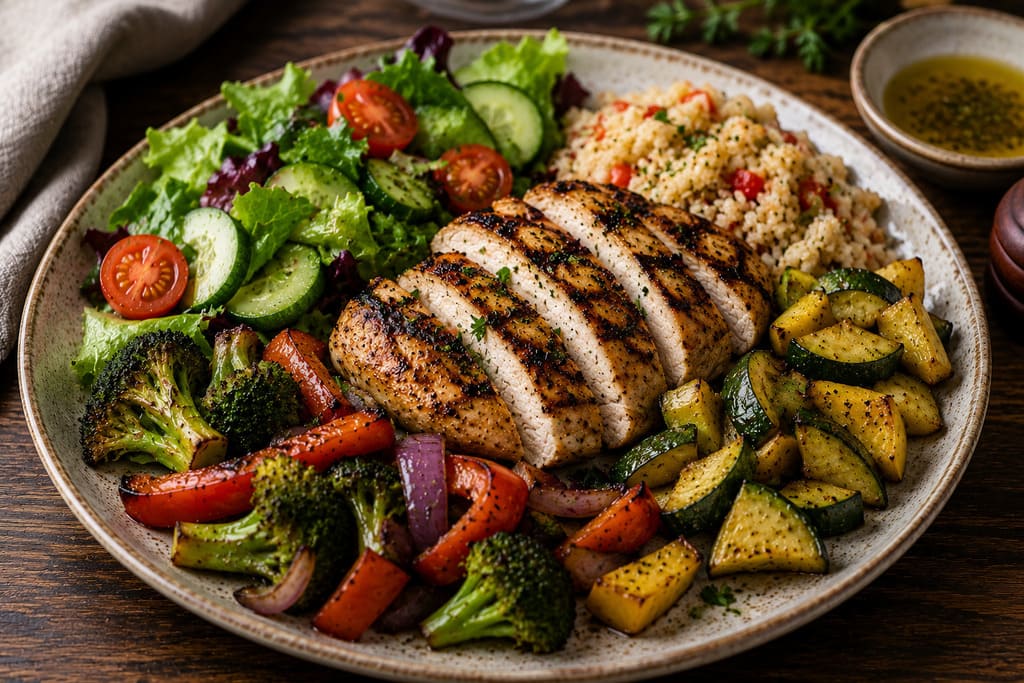
Grilled chicken with broccoli, green beans, cucumber salad, avocado, or cauliflower mash can fit keto well.
Protein Salad Bowl
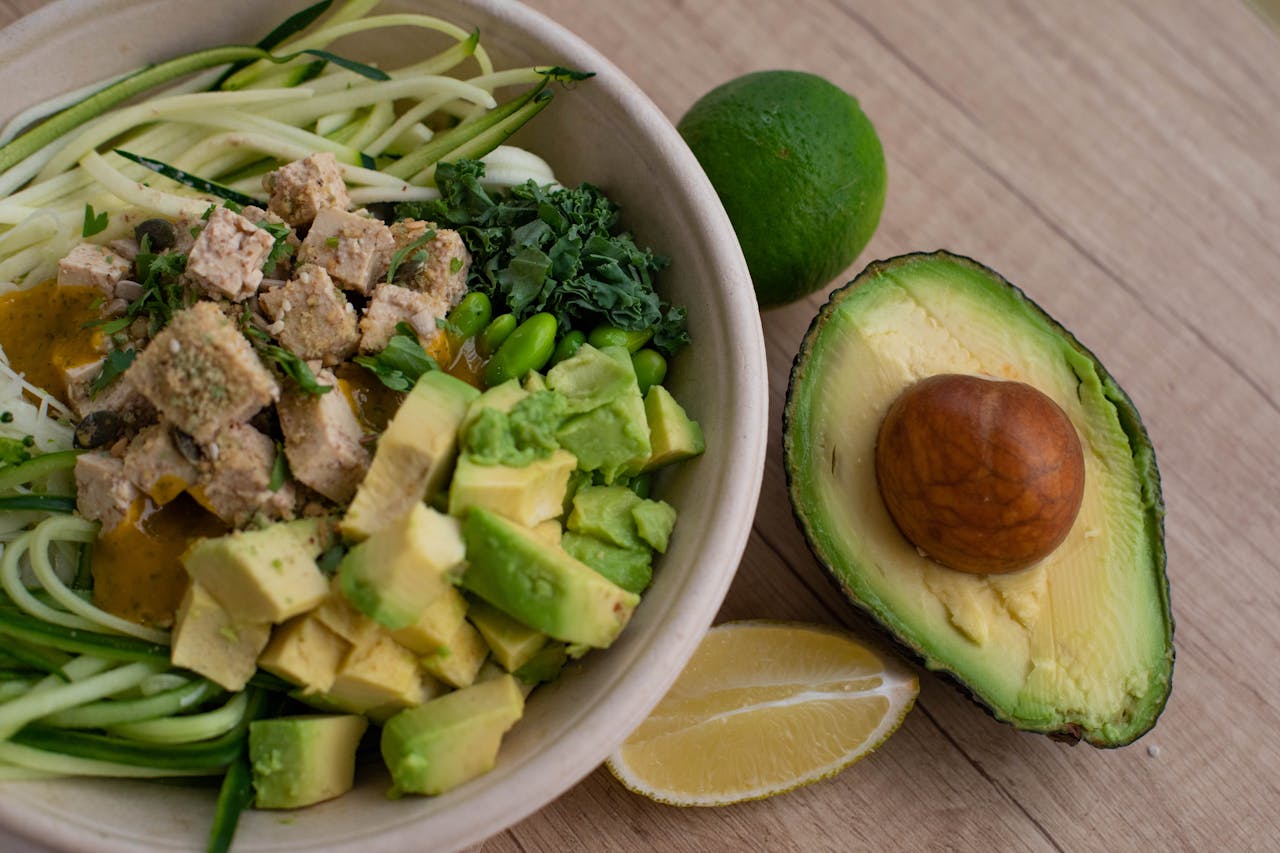
A keto salad can work when protein is still the anchor and the meal does not become mostly leaves and dressing.
Eggs and Low-Carb Sides
Eggs can work in keto meals, either with dairy in a dairy meal or with meat when kept according to your kosher standards.
What a Ketovore Plate Looks Like
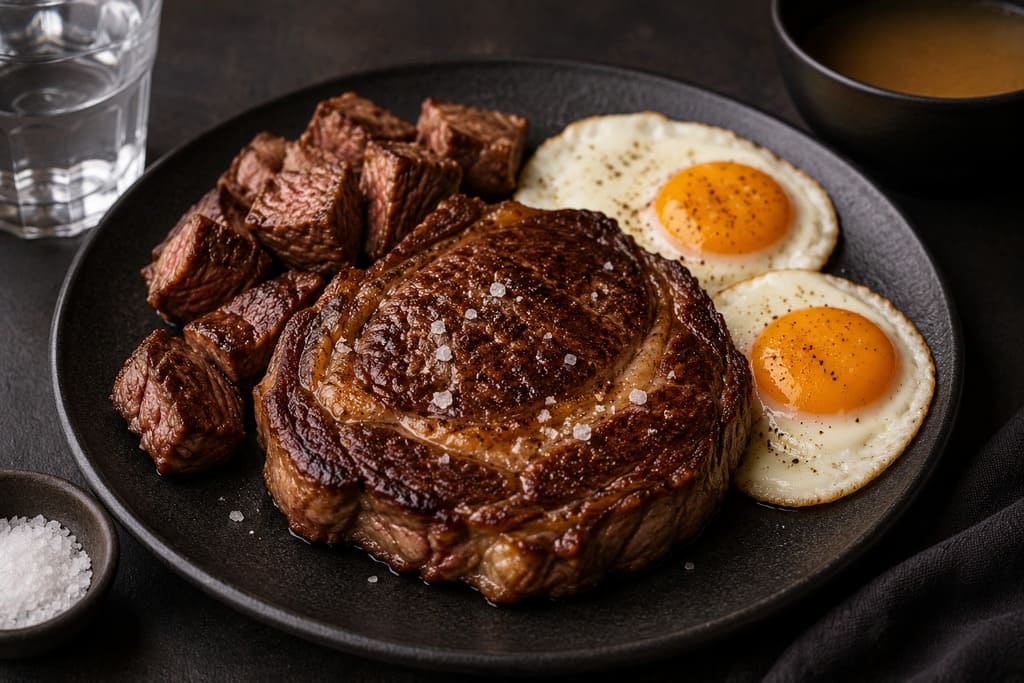
Ketovore is simpler and more meat-first. Low-carb sides are smaller, optional, and used to support the meal, not dominate it.
Beef and Eggs
Steak, beef chunks, or burgers with eggs can be a strong ketovore meal when eggs are tolerated.
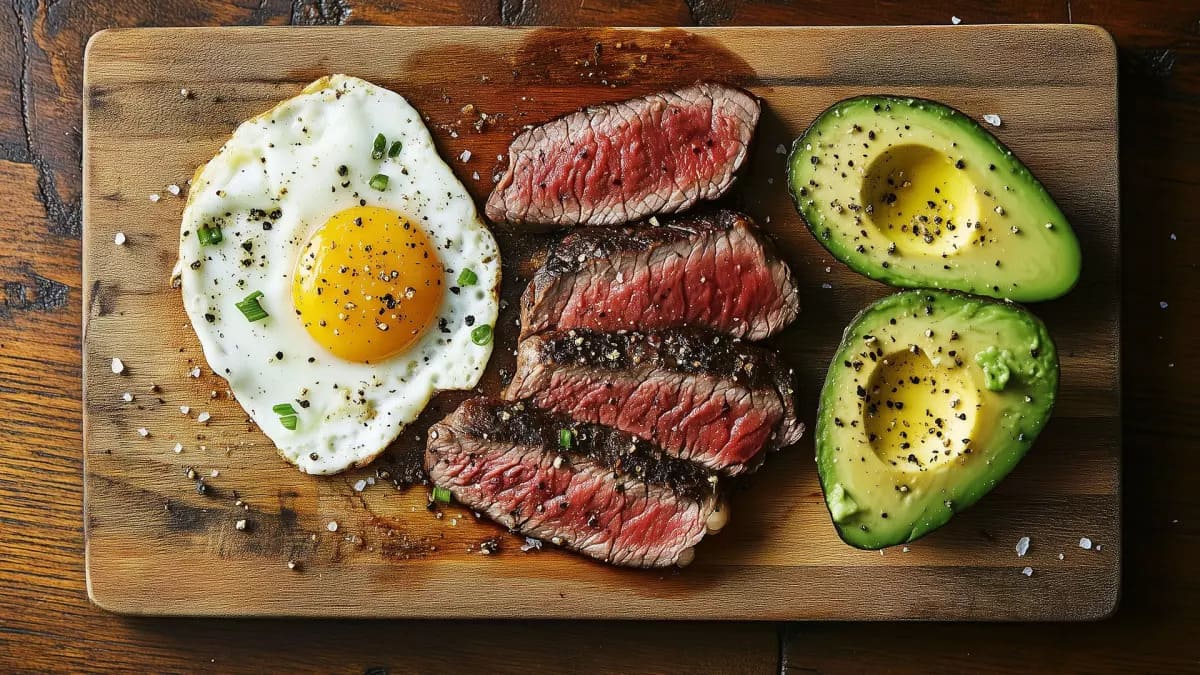
Steak, Eggs and Avocado
This is meat-first, with a small flexible side. It is not fully carnivore, but it is stricter than normal keto.
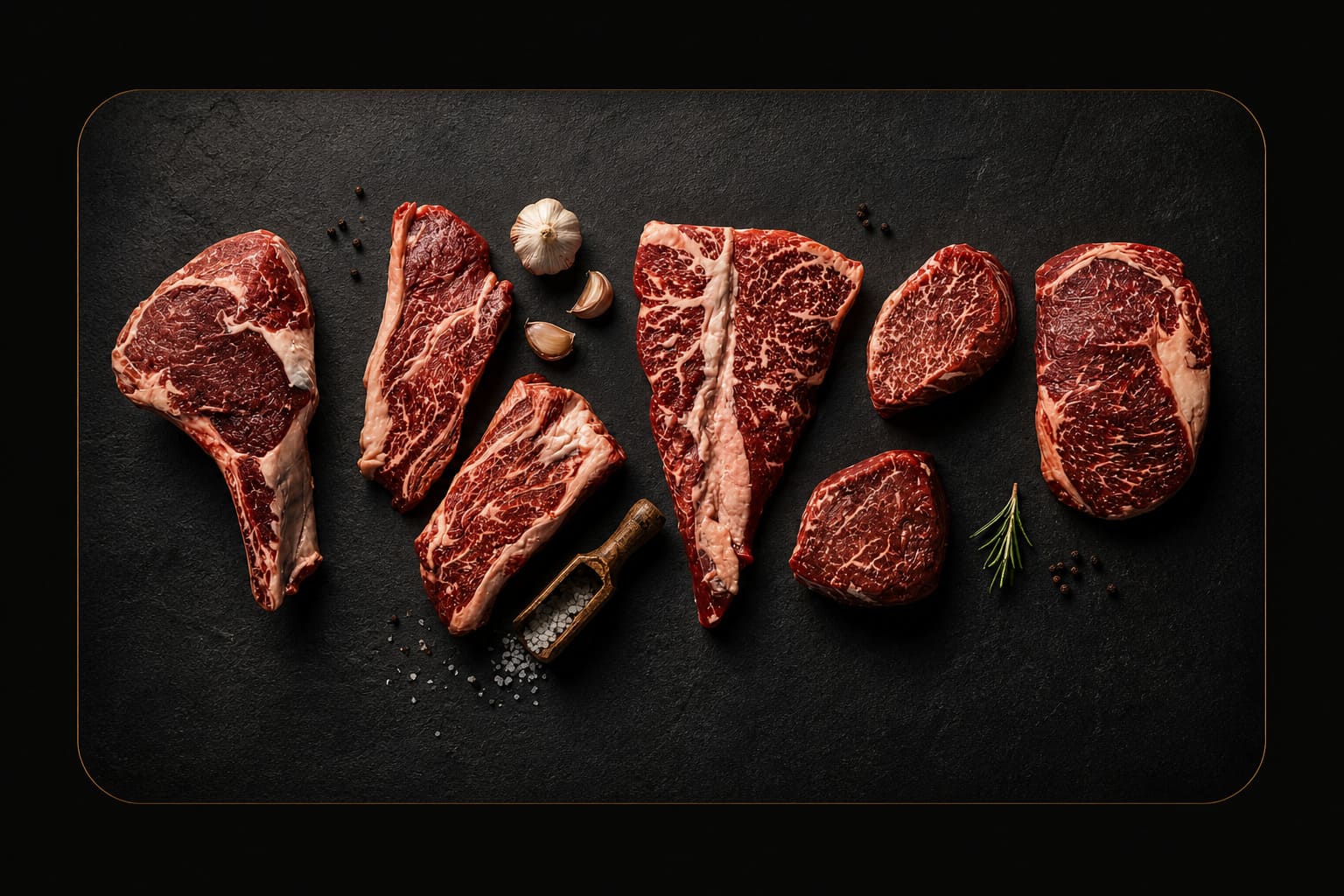
Simple Beef Plate
Ketovore often works best when the meal is simple: beef, salt, pan juices, and maybe one small low-carb side.
When Keto Works Better
Keto may be the better choice if you want a sustainable low-carb lifestyle with more food variety. It can work well for families, Shabbat meals, eating with others, and people who do not want to feel too restricted.
Keto also works well if you enjoy vegetables, dairy meals, salads, fish meals, and low-carb cooking. It gives you structure without forcing every meal to be meat-heavy.
- You want more variety.
- You are cooking for a family.
- You want low-carb vegetables.
- You want dairy meals kept separate from meat.
- You want a long-term plan that feels flexible.
When Ketovore Works Better
Ketovore may be better if keto gives you too many options. Some people do well with keto at first, but then slowly drift into keto snacks, keto baking, sweeteners, nuts, dairy, and “low-carb” foods that still keep cravings alive.
Ketovore reduces that noise. It brings the focus back to protein, animal foods, satiety, and simple meals. It can be especially useful if you are trying to calm cravings, reduce snacking, or move closer to a carnivore reset without going fully carnivore.
- You want fewer decisions.
- You do better with meat-first meals.
- Keto treats trigger cravings.
- You want stronger appetite control.
- You want a bridge between keto and carnivore.
How to Move From Keto to Ketovore
Moving from keto to ketovore does not have to be dramatic. You simply make animal foods the centre of the meal and reduce the extras. Instead of building the plate around vegetables, keto sides, nuts, sauces, and desserts, you build around beef, lamb, chicken, eggs, broth, or fish kept separate from meat.
Step 1: Remove Keto Treats
Start by cutting back on keto cakes, bars, sweeteners, nut flours, and snack foods. These often keep cravings alive.
Step 2: Increase Protein
Make meat, chicken, eggs, or fish the main part of the meal. Do not let sides become the centre.
Step 3: Shrink the Sides
Keep small sides if they help you, such as cucumber, pickles, avocado, or cooked low-carb vegetables.
Simple Rule
Keto is low-carb with flexibility. Ketovore is meat-first with flexibility. Carnivore is animal-only as a stricter reset. You can move between them based on your goals.
Sample Keto Day vs Ketovore Day
These examples show the practical difference between a flexible keto day and a stricter ketovore day.
Keto Day: More Variety
Meal 1: Eggs with avocado and cucumber.
Meal 2: Chicken thighs with roasted broccoli and salad.
Optional: Dairy meal, low-carb vegetables, olives, or a small keto-friendly side.
Ketovore Day: More Meat-First
Meal 1: Steak and eggs, if eggs are tolerated.
Meal 2: Beef burgers or lamb with salt and pan juices.
Optional: Broth, pickles, cucumber, avocado, or a very small low-carb side.
Common Mistakes
Turning Keto Into Desserts
Keto treats may be low-carb, but they can still keep cravings active and make appetite harder to control.
Eating Too Little Protein
Whether you choose keto or ketovore, protein should anchor the meal. Do not live on tiny salads and snacks.
Ignoring Kosher Rules
Do not copy non-kosher recipes directly. Remove bacon, pork, shellfish, and meat-and-dairy combinations.
Going Too Strict Too Fast
If keto is already helping, you may not need to jump into strict carnivore. Move only as far as needed.
Using Labels as Rules
Keto, ketovore, and carnivore are tools. The goal is finding the level that helps you stay consistent.
Not Planning Meals
Keep simple proteins ready so you are not forced into emergency food decisions when hungry.
Which One Should You Choose?
Choose keto if you want a clear low-carb structure with more variety. Choose ketovore if you want fewer decisions, fewer trigger foods, and a stronger meat-first approach. Choose carnivore if you want a short reset or elimination tool.
You can also move between them. Many people use low-carb for normal life, keto for structure, ketovore when cravings return, and carnivore for a short reset. That flexibility is the heart of KosherVore.
- Choose keto for flexibility and variety.
- Choose ketovore for simplicity and appetite control.
- Choose carnivore for a strict reset or elimination phase.
- Return to low-carb when you need easier everyday maintenance.
FAQ: Keto vs Ketovore
Is ketovore stricter than keto?
Yes. Ketovore is usually stricter because it is more meat-first and uses fewer low-carb extras. Keto allows more vegetables, dairy meals, nuts, and low-carb recipes.
Can I lose weight on both?
Many people use both for weight loss, but results depend on food choices, portions, consistency, health status, and total intake. Ketovore may help some people because it reduces snacking and cravings.
Is ketovore the same as carnivore?
No. Carnivore is animal-only or very close to animal-only. Ketovore is meat-first but may include small amounts of low-carb plant foods.
Can keto be kosher?
Yes. Kosher keto works well when meat and dairy stay separate, fish is handled carefully, and non-kosher ingredients are avoided.
Can ketovore include dairy?
It can, but dairy must stay separate from meat. Some people also reduce dairy on ketovore because it can trigger cravings or slow progress.
Which one is best for beginners?
Most beginners do best starting with low-carb or keto, then moving toward ketovore if they want more simplicity or stronger appetite control.
Start Where You Are
Keto and ketovore are both useful tools. Keto gives you low-carb structure with more variety. Ketovore gives you a simpler, meat-first path. Choose the one that helps you stay consistent while keeping everything fully kosher.
When Keto Works Better
Keto may be the better choice if you want a sustainable low-carb lifestyle with more food variety. It can work well for families, Shabbat meals, eating with others, and people who do not want to feel too restricted.
Keto also works well if you enjoy vegetables, dairy meals, salads, fish meals, and low-carb cooking. It gives you structure without forcing every meal to be meat-heavy.
- You want more variety.
- You are cooking for a family.
- You want low-carb vegetables.
- You want dairy meals kept separate from meat.
- You want a long-term plan that feels flexible.
When Ketovore Works Better
Ketovore may be better if keto gives you too many options. Some people do well with keto at first, but then slowly drift into keto snacks, keto baking, sweeteners, nuts, dairy, and “low-carb” foods that still keep cravings alive.
Ketovore reduces that noise. It brings the focus back to protein, animal foods, satiety, and simple meals. It can be especially useful if you are trying to calm cravings, reduce snacking, or move closer to a carnivore reset without going fully carnivore.
- You want fewer decisions.
- You do better with meat-first meals.
- Keto treats trigger cravings.
- You want stronger appetite control.
- You want a bridge between keto and carnivore.
How to Move From Keto to Ketovore
Moving from keto to ketovore does not have to be dramatic. You simply make animal foods the centre of the meal and reduce the extras. Instead of building the plate around vegetables, keto sides, nuts, sauces, and desserts, you build around beef, lamb, chicken, eggs, broth, or fish kept separate from meat.
Step 1: Remove Keto Treats
Start by cutting back on keto cakes, bars, sweeteners, nut flours, and snack foods. These often keep cravings alive.
Step 2: Increase Protein
Make meat, chicken, eggs, or fish the main part of the meal. Do not let sides become the centre.
Step 3: Shrink the Sides
Keep small sides if they help you, such as cucumber, pickles, avocado, or cooked low-carb vegetables.
Simple Rule
Keto is low-carb with flexibility. Ketovore is meat-first with flexibility. Carnivore is animal-only as a stricter reset. You can move between them based on your goals.
Sample Keto Day vs Ketovore Day
These examples show the practical difference between a flexible keto day and a stricter ketovore day.
Keto Day: More Variety
Meal 1: Eggs with avocado and cucumber.
Meal 2: Chicken thighs with roasted broccoli and salad.
Optional: Dairy meal, low-carb vegetables, olives, or a small keto-friendly side.
Ketovore Day: More Meat-First
Meal 1: Steak and eggs, if eggs are tolerated.
Meal 2: Beef burgers or lamb with salt and pan juices.
Optional: Broth, pickles, cucumber, avocado, or a very small low-carb side.
Common Mistakes
Turning Keto Into Desserts
Keto treats may be low-carb, but they can still keep cravings active and make appetite harder to control.
Eating Too Little Protein
Whether you choose keto or ketovore, protein should anchor the meal. Do not live on tiny salads and snacks.
Ignoring Kosher Rules
Do not copy non-kosher recipes directly. Remove bacon, pork, shellfish, and meat-and-dairy combinations.
Going Too Strict Too Fast
If keto is already helping, you may not need to jump into strict carnivore. Move only as far as needed.
Using Labels as Rules
Keto, ketovore, and carnivore are tools. The goal is finding the level that helps you stay consistent.
Not Planning Meals
Keep simple proteins ready so you are not forced into emergency food decisions when hungry.
Which One Should You Choose?
Choose keto if you want a clear low-carb structure with more variety. Choose ketovore if you want fewer decisions, fewer trigger foods, and a stronger meat-first approach. Choose carnivore if you want a short reset or elimination tool.
You can also move between them. Many people use low-carb for normal life, keto for structure, ketovore when cravings return, and carnivore for a short reset. That flexibility is the heart of KosherVore.
- Choose keto for flexibility and variety.
- Choose ketovore for simplicity and appetite control.
- Choose carnivore for a strict reset or elimination phase.
- Return to low-carb when you need easier everyday maintenance.
FAQ: Keto vs Ketovore
Is ketovore stricter than keto?
Yes. Ketovore is usually stricter because it is more meat-first and uses fewer low-carb extras. Keto allows more vegetables, dairy meals, nuts, and low-carb recipes.
Can I lose weight on both?
Many people use both for weight loss, but results depend on food choices, portions, consistency, health status, and total intake. Ketovore may help some people because it reduces snacking and cravings.
Is ketovore the same as carnivore?
No. Carnivore is animal-only or very close to animal-only. Ketovore is meat-first but may include small amounts of low-carb plant foods.
Can keto be kosher?
Yes. Kosher keto works well when meat and dairy stay separate, fish is handled carefully, and non-kosher ingredients are avoided.
Can ketovore include dairy?
It can, but dairy must stay separate from meat. Some people also reduce dairy on ketovore because it can trigger cravings or slow progress.
Which one is best for beginners?
Most beginners do best starting with low-carb or keto, then moving toward ketovore if they want more simplicity or stronger appetite control.
Start Where You Are
Keto and ketovore are both useful tools. Keto gives you low-carb structure with more variety. Ketovore gives you a simpler, meat-first path. Choose the one that helps you stay consistent while keeping everything fully kosher.