
Keto Cravings
Why cravings happen, how to reduce them, and how to build a kosher low-carb lifestyle that feels easier to maintain.
Keto cravings can feel frustrating, especially when you are trying to improve your health, lose weight, control blood sugar, or simply stop thinking about food all day. One moment you feel motivated and focused. The next, you are thinking about bread, desserts, snacks, chips, or foods you have not eaten in months.
The good news is that cravings are not a sign that keto is failing. In many cases, they are a normal part of the adjustment process. Your body is learning to rely less on sugar and quick carbohydrates and more on protein, fat, and stable energy.
At KosherVore Kitchen, the goal is not just to survive cravings. The goal is to understand them. Once you understand why cravings happen, it becomes much easier to manage them and build a long-term eating style that works in real life.
Quick Answer
Keto cravings are usually caused by habit, sugar withdrawal, stress, poor sleep, emotional eating patterns, or meals that are not satisfying enough. Building meals around protein and fat often reduces cravings significantly over time.
Why Keto Cravings Happen
Most people spend years eating foods designed to encourage repeated eating. Sugar, flour, snacks, processed foods, sweet drinks, desserts, and convenience foods create strong eating habits. When those foods disappear, the brain notices.
Your Brain Remembers Old Patterns
Sometimes a craving is not hunger at all. It is simply a familiar pattern. You finish dinner and suddenly want dessert. You watch television and want snacks. You drive past a bakery and think about pastries. These reactions are often learned behaviours rather than true hunger.
Sugar Withdrawal Is Real
During the first days and weeks of keto, many people experience stronger cravings because their bodies are adjusting. This period can feel uncomfortable, but it usually improves as the body adapts to lower carbohydrate intake.
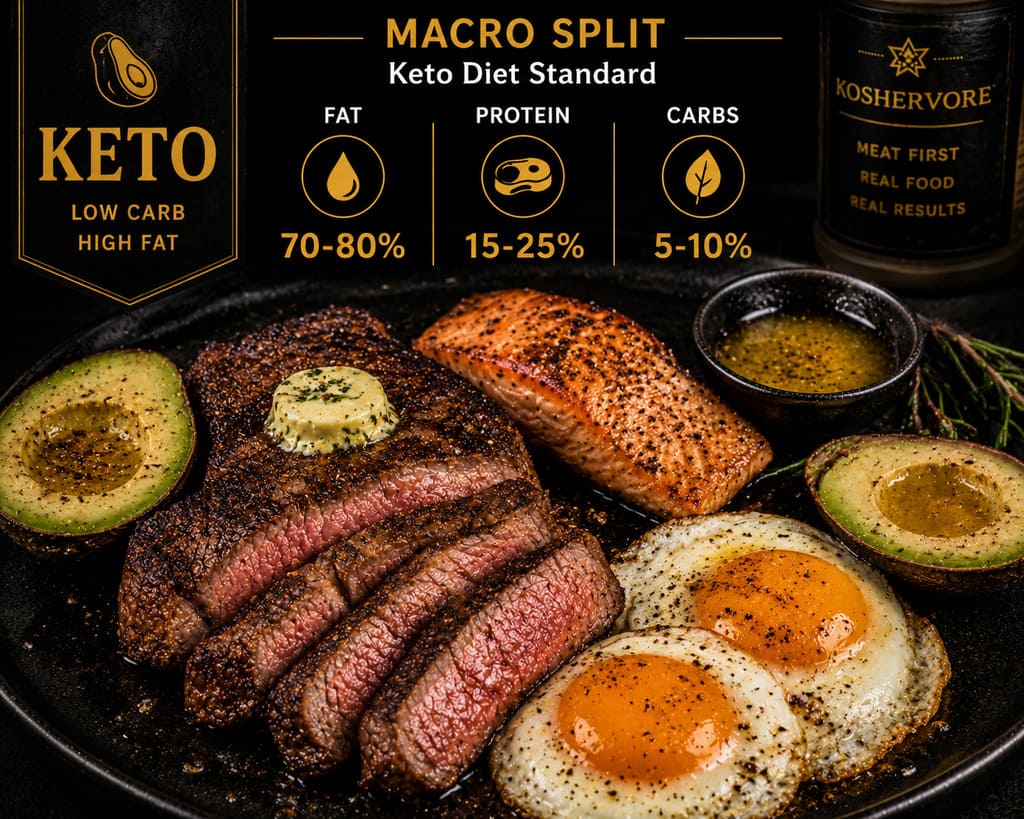
Hunger vs Cravings
One of the most important skills on keto is learning the difference between hunger and cravings.
Real Hunger
- Develops gradually.
- Any real food sounds appealing.
- Often improves after a balanced meal.
- Comes with physical hunger signals.
Cravings
- Appear suddenly.
- Usually focus on a specific food.
- Often happen after emotional triggers.
- May remain even after eating enough food.
Understanding this difference helps you respond more effectively. If you are genuinely hungry, eat a proper meal. If you are experiencing a craving, a different solution may be needed.
The Protein Connection
One of the biggest reasons people struggle with keto cravings is that they are not eating enough protein.
Protein is one of the most satisfying nutrients. It helps reduce hunger, supports muscle maintenance, and often makes it easier to go longer between meals.
Protein-First Eating
At KosherVore, meals start with protein. Steak, chicken thighs, lamb, eggs, turkey, tuna, salmon, and ground beef all make excellent foundations for a satisfying meal.
When protein is too low, cravings often increase because the body is still looking for nourishment.
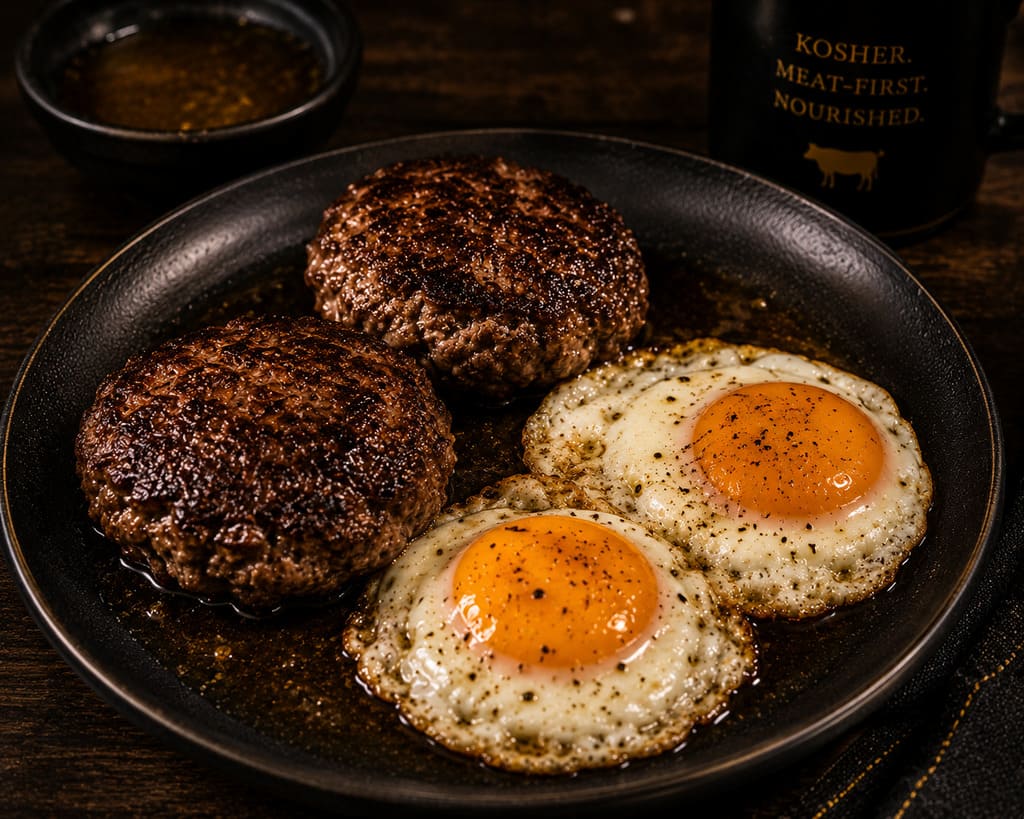
Want Fewer Cravings?
Start by building every meal around protein first, then add healthy fats and keep carbs low.
Why Fat Matters Too
Protein comes first, but fat also plays an important role. Meals that are too lean can leave you unsatisfied.
In a kosher kitchen, richness can come from chicken skin, schmaltz, rendered fat, olive oil, egg yolks, stock reductions, and naturally fatty cuts of meat.
Do Not Fear Satisfaction
Some people become so focused on eating less that they forget to build satisfying meals. A properly cooked steak with pan juices is often more satisfying than a low-fat meal followed by hours of cravings.
Emotional Triggers and Food Cravings
Not all cravings come from food. Many come from emotions. Stress, boredom, frustration, loneliness, celebration, and habit can all trigger a desire to eat.
Stress Eating
Stress often creates a desire for quick comfort foods. Unfortunately, those foods usually make the situation worse over time.
Boredom Eating
Sometimes food becomes entertainment. When meals become simpler, people often discover how frequently they were eating simply because they were bored.
Sleep and Keto Cravings
Poor sleep can dramatically increase cravings. Many people notice stronger urges for sugar, bread, snacks, and processed foods after a bad night’s sleep.
Improving sleep quality often reduces cravings without changing anything else. Consistent sleep schedules, reduced evening screen time, and proper meal timing may help.

How Ketovore Helps Reduce Cravings
Many people find ketovore easier than standard keto because it simplifies food choices. Instead of constantly looking for keto versions of old foods, the focus shifts toward meat-first meals.
Less Food Noise
Ketovore removes many of the foods that keep cravings alive. Instead of eating low-carb desserts, snack bars, and sweetened products, meals focus on real food.
More Satisfaction
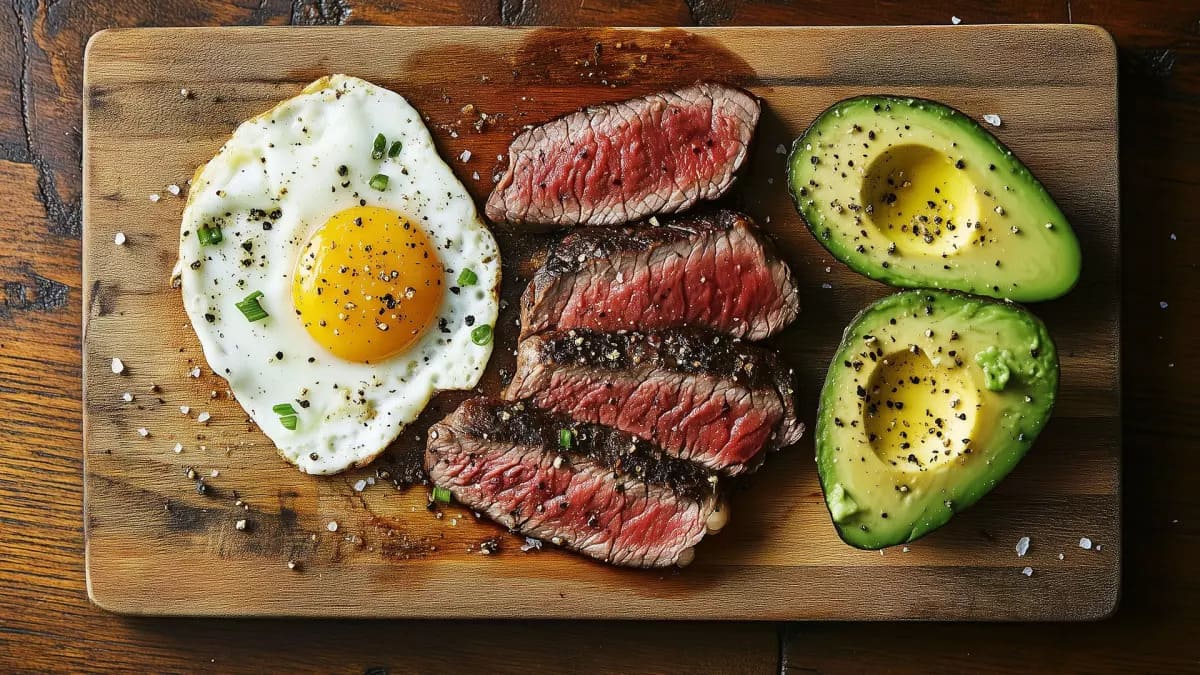
Protein and fat together often create a level of satisfaction that snacks cannot match. A plate of steak and eggs feels very different from a handful of low-carb treats.
Practical Ways to Beat Cravings
Eat a Proper Meal
If you are genuinely hungry, eat protein. Hunger rarely improves through willpower alone.
Drink Water
Dehydration can sometimes feel similar to hunger. Drinking water may help reduce unnecessary eating.
Go for a Walk
A short walk often breaks the cycle of a craving and helps shift your attention elsewhere.
Keep Trigger Foods Out of Reach
The easiest temptation to resist is the one that never enters your kitchen.
Delay the Decision
Tell yourself you can reconsider in twenty minutes. Many cravings fade when given a little time.
Kosher Low-Carb Foods That Help
- Steak
- Burger patties
- Chicken thighs
- Lamb chops
- Eggs
- Salmon
- Tuna
- Bone broth
- Avocado
- Olives
These foods tend to be filling and can help reduce the urge to snack constantly.
Common Mistakes That Increase Cravings
Not Eating Enough Protein
Low protein often leads to increased hunger and stronger cravings later in the day.
Living on Keto Treats
Constantly chasing sweet flavours can make cravings harder to overcome.
Skipping Meals Unnecessarily
Fasting can be useful, but forcing long fasting periods before you are ready may backfire.
Trying to Be Perfect
One imperfect meal does not ruin progress. Consistency matters more than perfection.
Remember
Cravings are information, not failure. They often reveal habits, emotions, sleep issues, meal composition problems, or foods that keep you trapped in a cycle of wanting more.
Helpful KosherVore Guides
Frequently Asked Questions
Why do I get keto cravings?
Cravings often come from habit, sugar withdrawal, emotional triggers, poor sleep, or meals that are not satisfying enough.
How long do keto cravings last?
Many people notice cravings improve significantly within a few weeks of consistent low-carb eating.
Does ketovore help reduce cravings?
Yes. Many people find that protein-focused meals reduce cravings more effectively than low-carb substitutes and snacks.
Can cravings come from stress?
Absolutely. Stress is one of the most common non-food triggers for cravings.
Should I eat when I have a craving?
First determine whether it is true hunger or simply a craving. Real hunger usually responds well to a proper protein-rich meal.
Final Thoughts
Keto cravings are normal, especially during the transition away from sugar and processed foods. The key is not to panic. Understand what is driving the craving, build meals around protein and fat, improve sleep, manage stress, and keep your food environment simple.
Many people discover that cravings become far less powerful once they stop feeding them regularly. Over time, food becomes simpler, hunger becomes clearer, and eating becomes easier.
That is the goal of KosherVore: less food confusion, more clarity, and a practical meat-first approach that works in real life.
Ready to Take Control of Cravings?
Learn how protein-first eating, ketovore meals, and simple kosher low-carb strategies can help you stay consistent.