
Keto Appetite Control: How to Stay Full Without Constant Snacking
A practical kosher low-carb guide to managing hunger with protein, fat, meal structure, simple foods, and real-world keto habits.
Keto appetite control is one of the biggest reasons people become interested in low-carb eating. When keto is done properly, many people find that hunger becomes calmer, cravings become less intense, and meals feel more satisfying. But this does not happen automatically just because carbs are lower.
Appetite control depends on how you build your meals. A person can eat low-carb foods all day and still feel hungry if meals are too small, too snack-based, too low in protein, too dependent on sweeteners, or too focused on keto products instead of real food. For KosherVore, the goal is not to live on replacement bars, keto biscuits, or handfuls of nuts. The goal is to eat proper kosher meals built around protein, fat, and simple technique so your body feels fed.
This guide explains how to use keto appetite control in a practical kosher kitchen, whether you are eating low-carb, keto, ketovore, or using carnivore as a short reset tool. Everything here stays fully kosher: no bacon, no pork, no shellfish, no meat and dairy mixing, and no meat and fish mixing.
Quick Note Before You Start
If you use diabetes medication, insulin, blood pressure medication, or have a medical condition, speak to your doctor before making major diet changes. Lower-carb eating can affect blood sugar, appetite, hydration, and medication needs. This guide is practical food education, not personal medical advice.
What Appetite Control Really Means on Keto
Appetite control does not mean forcing yourself to ignore hunger. It means building meals that make hunger calmer and easier to understand. When appetite is controlled, you can eat a meal, feel satisfied, and move on with your day without constantly looking for the next snack.
That is different from restriction. Restriction says, “I am hungry, but I am not allowed to eat.” Appetite control says, “I ate a proper meal, and I feel satisfied enough to wait until the next meal.” The difference matters. One creates pressure. The other creates stability.
Appetite Control Is Not Starvation
Some people confuse keto appetite control with eating as little as possible. That usually backfires. If your meals are too small, your body will push for food later. You may then blame lack of discipline when the real issue is poor meal structure.
Appetite Control Is Not Constant Snacking
Other people try to control hunger by keeping keto snacks nearby all day. That can also backfire. Even if the snacks are low-carb, the habit of constant grazing can keep appetite switched on. A better goal is to build complete meals that reduce the need for snacks in the first place.
The KosherVore Goal
The KosherVore goal is simple: eat enough real kosher food at meals so your appetite becomes easier to trust. Protein comes first. Fat adds satisfaction. Salt, broth, and cooking technique help meals feel complete. Snacks become optional, not the foundation of the day.
Why Keto Can Help Control Appetite
Keto works differently from a standard high-carb diet because it reduces the foods that often trigger constant hunger: sugar, refined starches, sweet snacks, bread, cereal, and frequent grazing foods. When those foods are reduced, many people find it easier to go longer between meals without feeling desperate for the next snack.
But keto appetite control is not only about removing carbs. It is also about adding the right things back in. A tiny salad with a bit of cheese is technically low-carb, but it may not satisfy you. A proper meat-first meal with eggs, stock, and enough fat is usually much more filling.
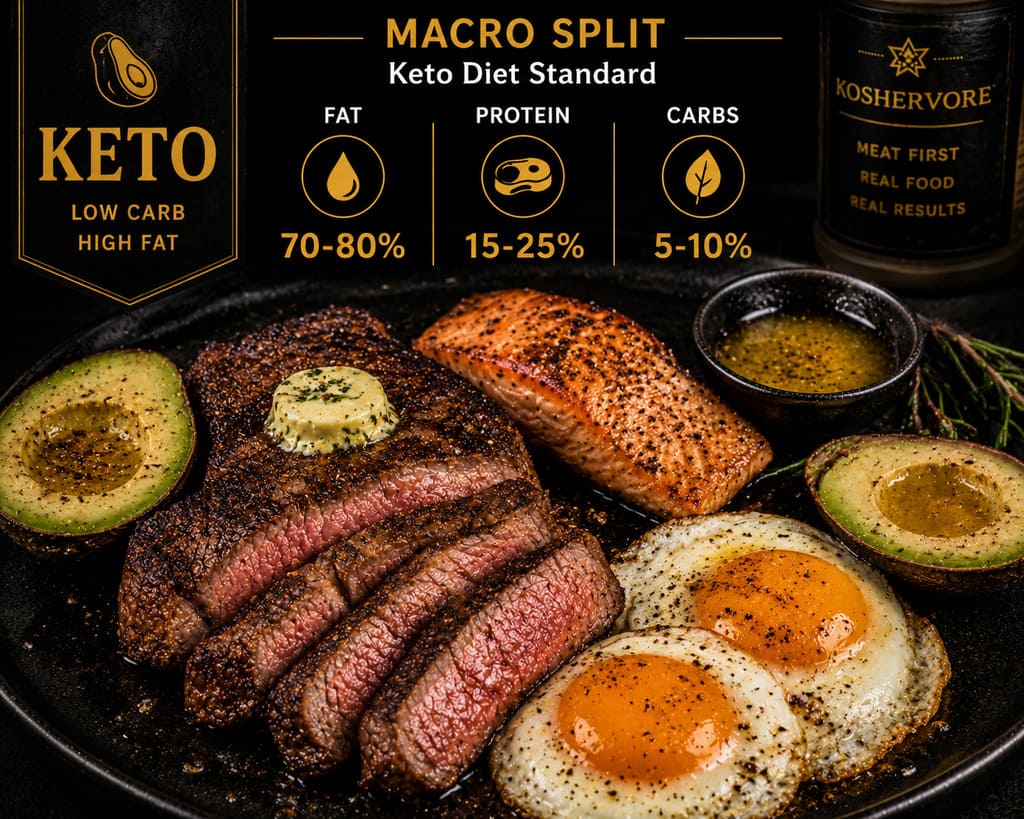
The Simple KosherVore Framework
- Start with protein.
- Add enough fat for satisfaction.
- Use stock, reduction, and cooking technique for richness.
- Keep low-carb extras simple and intentional.
- Reduce sweeteners and snack foods if they keep cravings alive.
This framework works because it focuses on meals rather than loopholes. Instead of asking how many low-carb treats you can fit into the day, you ask whether your meals are strong enough to carry you from one eating window to the next.
Why Hunger Changes When Carbs Drop
Many high-carb foods are easy to overeat because they digest quickly, taste sweet or salty, and often come in snack form. Bread, cereal, biscuits, crackers, sweets, chips, and sugary drinks can create a pattern of eating that has very little to do with true hunger.
When carbs drop, that pattern can change. Some people feel calmer quickly. Others feel uncomfortable at first because they are used to frequent food, sweet taste, or quick energy. This is why the first stage of keto should focus on proper meals, not just carb removal.
Blood Sugar Swings and Cravings
For many people, high-carb meals can lead to a cycle of eating, crashing, craving, and eating again. Keto may help reduce that cycle because meals are built around protein and fat instead of fast carbohydrates. This does not mean hunger disappears forever, but it often becomes less urgent.
Food Noise Can Calm Down
Food noise is the constant mental chatter about what to eat next. Keto, ketovore, and sometimes a short carnivore reset can reduce food noise because the food list becomes simpler. Fewer choices can mean fewer cravings.
The First Few Weeks Can Feel Different
Some people feel hungrier during the first week because their meals are not yet built properly. Others feel less hungry right away. Either way, do not judge the whole approach from one difficult day. Look at meal size, protein, salt, hydration, sleep, and snack habits before deciding keto does not work for appetite.
Protein Comes First
One of the most common keto mistakes is eating too much fat and not enough protein. Fat helps with flavour and satisfaction, but protein gives a meal structure. Without enough protein, you may feel full for a short time but hungry again soon after.
In a kosher low-carb kitchen, good protein choices include beef, chicken, lamb, eggs, turkey, and kosher fish. Each meal should have a clear protein centre. That could be steak and eggs, burger patties, roasted chicken thighs, salmon, lamb chops, or ground beef in a skillet.
Easy Protein-First Meals
- Burger patties with fried eggs.
- Chicken thighs cooked with crispy skin.
- Steak with pan sauce.
- Ground beef bowl with eggs.
- Salmon with herb oil.
- Lamb chops with stock reduction.
- Roasted chicken with broth.
- Egg omelet with avocado in a dairy-free meal.
When protein is the main event, meals become easier to plan. You do not need to ask, “What keto thing can I snack on?” Instead, ask, “What protein am I eating?”
How Much Protein Should a Keto Meal Include?
The exact amount depends on your body, goals, activity, and health situation, but the principle is simple: your meal should contain enough protein to feel like a meal. A few bites of chicken over salad may be low-carb, but it may not control appetite for long.
A practical approach is to choose a solid serving of protein first, then build around it. If you are repeatedly hungry an hour after eating, check protein before blaming keto itself.
Fat Helps, But It Needs Balance
Fat is important on keto because it adds flavour, slows the meal down, and helps food feel satisfying. But more fat is not always better. If you add fat without enough protein, or drink fat instead of eating real meals, appetite control can become messy.
In kosher meat meals, you do not need dairy to create richness. You can use schmaltz, tallow, rendered chicken fat, olive oil, reduced stock, and pan juices. This keeps meals satisfying without breaking kosher separation rules.
Fat Is a Satiety Tool
Fat should help complete a meal. It should not replace the meal. A fatty coffee may feel filling for a short time, but many people do better with actual food: eggs, meat, chicken, fish, broth, or a proper low-carb plate.
Why Fat Loading Can Backfire
Adding large amounts of fat to everything can slow progress for some people, especially if appetite is already strong. The goal is not to chase fat. The goal is to eat enough fat to make real meals satisfying.
The KosherVore Sauce Formula
A simple sauce can make a basic meal feel complete without dairy:
- Add stock to the pan.
- Scrape up the browned bits.
- Reduce until glossy.
- Add a little fat at the end.
- Taste and salt properly.
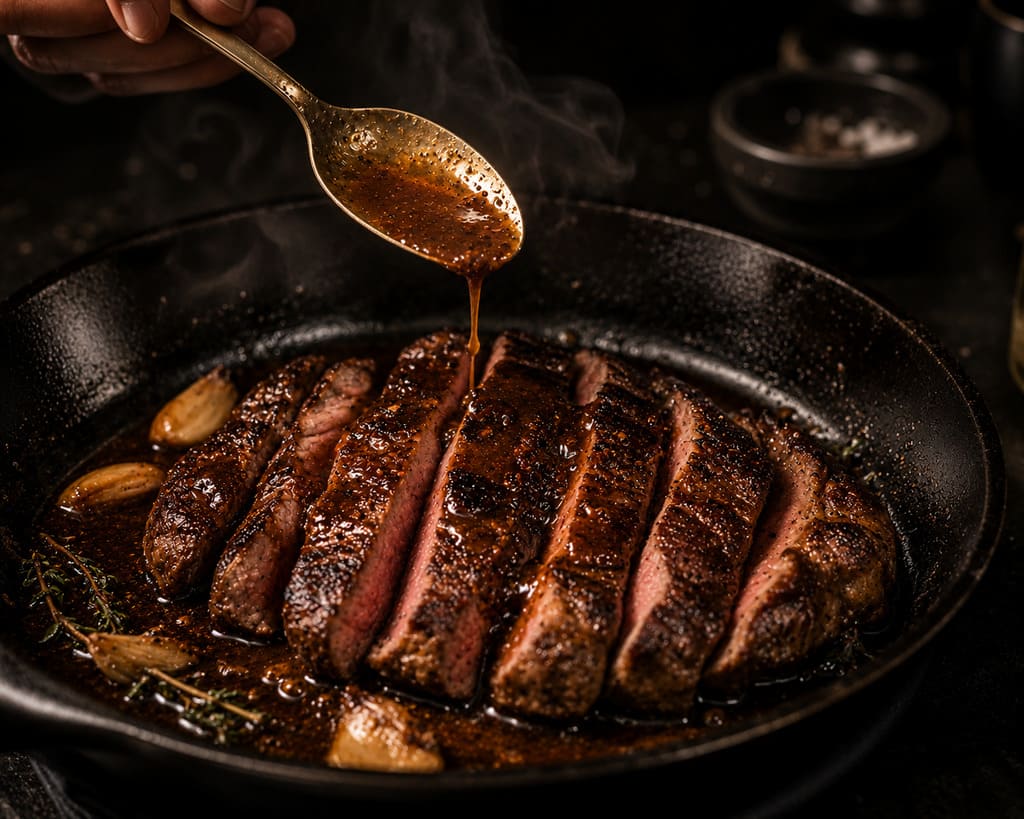
This is one of the easiest ways to make keto meals more satisfying without relying on cream, cheese, or complicated substitutes.
Build Better Keto Meals
Start with protein, add fat for satisfaction, and use simple cooking technique to make meals feel rich without confusion.
Explore RecipesThe KosherVore Meal Structure
A satisfying kosher keto meal has structure. It does not need to be fancy, but it does need to be complete. The more complete the meal, the less likely you are to keep searching for snacks afterwards.
The 4-Part Meal Formula
- Protein: beef, chicken, lamb, fish, turkey, or eggs.
- Fat: schmaltz, tallow, olive oil, pan juices, avocado, or dairy fats in dairy meals only.
- Technique: sear, roast, crisp, reduce, slow cook, or rest.
- Simple extras: cucumber, avocado, herbs, pickles, low-carb vegetables, or broth where appropriate.
This formula makes keto simpler. It also keeps the kosher rules clear. Meat meals stay meat. Dairy meals stay dairy. Fish is handled separately from meat.
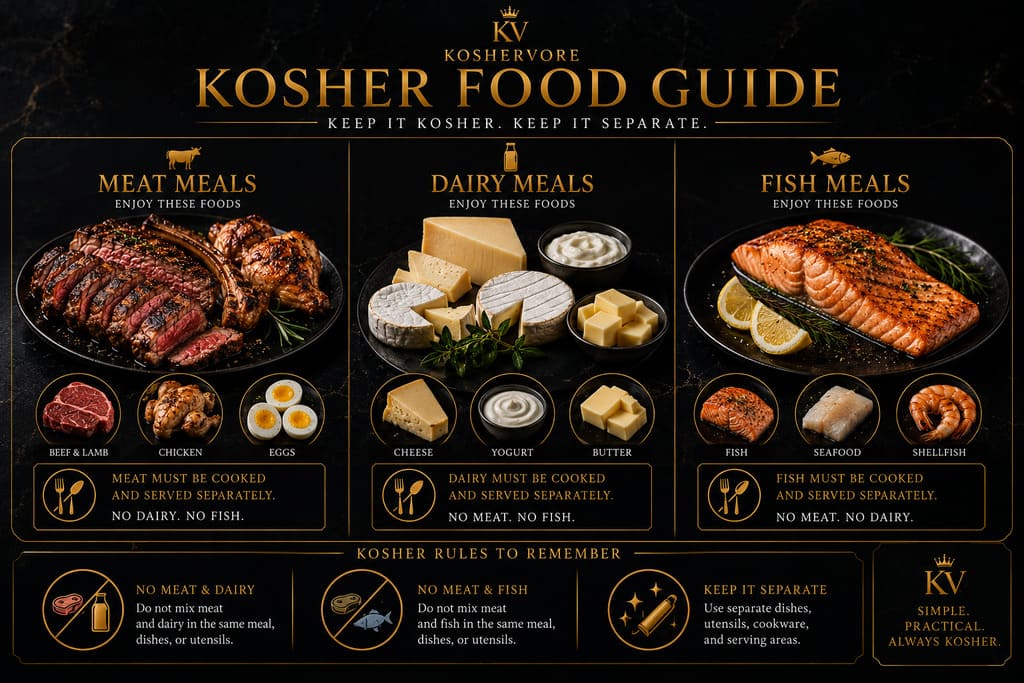
Meat Meals, Dairy Meals, and Fish Meals for Appetite Control
Kosher keto appetite control works best when the meal categories are clear. Instead of trying to copy non-kosher keto recipes, build meals that make sense in a kosher kitchen.
Meat Meals
Meat meals can include beef, lamb, chicken, turkey, eggs according to your custom, broth, stock, pan juices, schmaltz, tallow, olive oil, avocado, and low-carb vegetables. They should not include butter, cheese, cream, yoghurt, or dairy-based sauces.
Dairy Meals
Dairy meals can include eggs, cheese, yoghurt, cream, butter, avocado, olive oil, cucumber, salads, and low-carb vegetables. Dairy meals should stay completely separate from meat meals.
Fish Meals
Fish can be useful for keto appetite control, but it should be kept separate from meat meals. Salmon, tuna, sardines with kosher certification, and white fish can all work well when prepared simply.
How to Build a Filling Meat Meal
A filling meat meal starts with real protein. Choose the protein first, then decide how to make it satisfying. The mistake many people make is building a plate around salad or vegetables and adding a little meat at the end. For appetite control, reverse that.
Meat Meal Examples
- Beef burger patties with fried eggs and pickles.
- Chicken thighs with crispy skin and warm broth.
- Lamb chops with stock reduction.
- Steak with pan juices and cucumber.
- Ground beef skillet with eggs.
- Roasted chicken with low-carb vegetables.
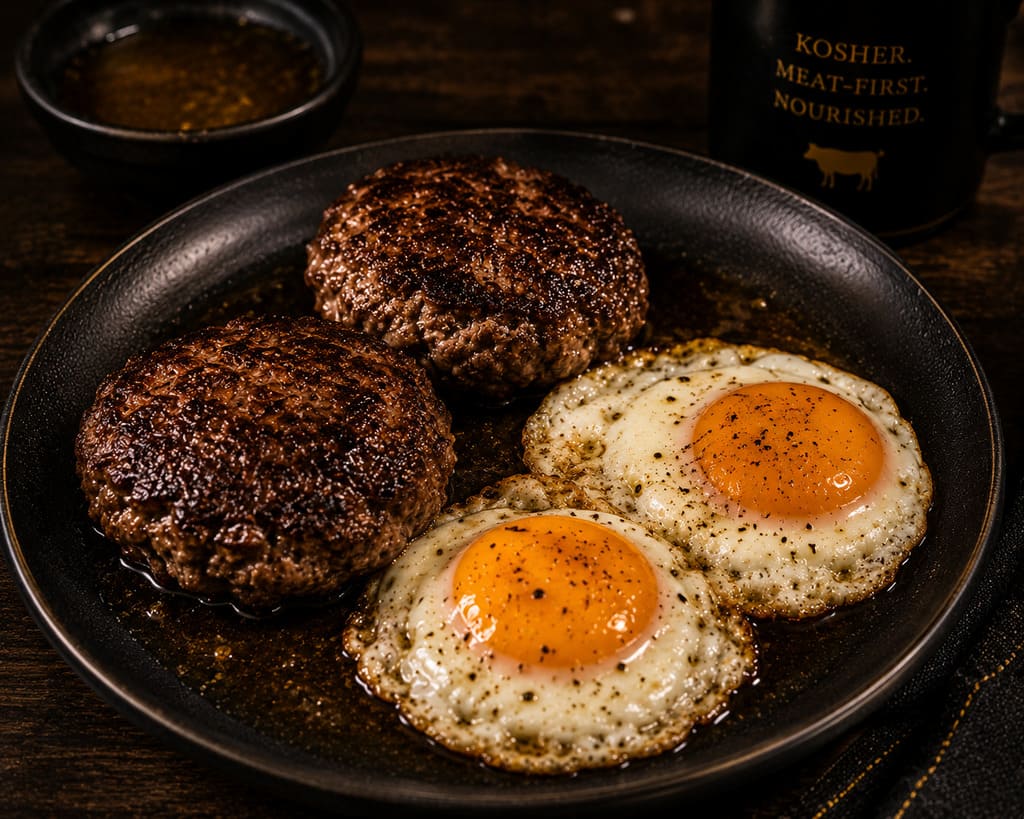
These meals work because they are not snack-like. They are proper meals. They give your body a clear signal that you have eaten.
How to Build a Filling Dairy Meal
Dairy can be helpful for some people and difficult for others. For appetite control, dairy works best when it is part of a real meal, not constant grazing on cheese, cream, and keto desserts.
Dairy Meal Examples
- Omelet with cheese and avocado.
- Greek-style yoghurt with a small amount of nuts if tolerated.
- Eggs cooked in butter with cucumber on the side.
- Cheese plate with boiled eggs and low-carb vegetables.
- Low-carb dairy meal with salad and olive oil.

If dairy makes you hungrier or triggers cravings, test it carefully. Some people do better with dairy meals. Others do better keeping dairy limited.
How to Build a Filling Fish Meal
Fish meals can be excellent for keto appetite control, especially when they include enough fat and are not treated like a tiny diet plate. Fish is often lighter than meat, so it may need avocado, olive oil, eggs, or a more substantial side to keep you satisfied.
Fish Meal Examples
- Salmon with avocado and cucumber.
- Tuna with olive oil and boiled eggs.
- White fish with herb oil and low-carb vegetables.
- Sardines with cucumber and avocado if tolerated and kosher certified.
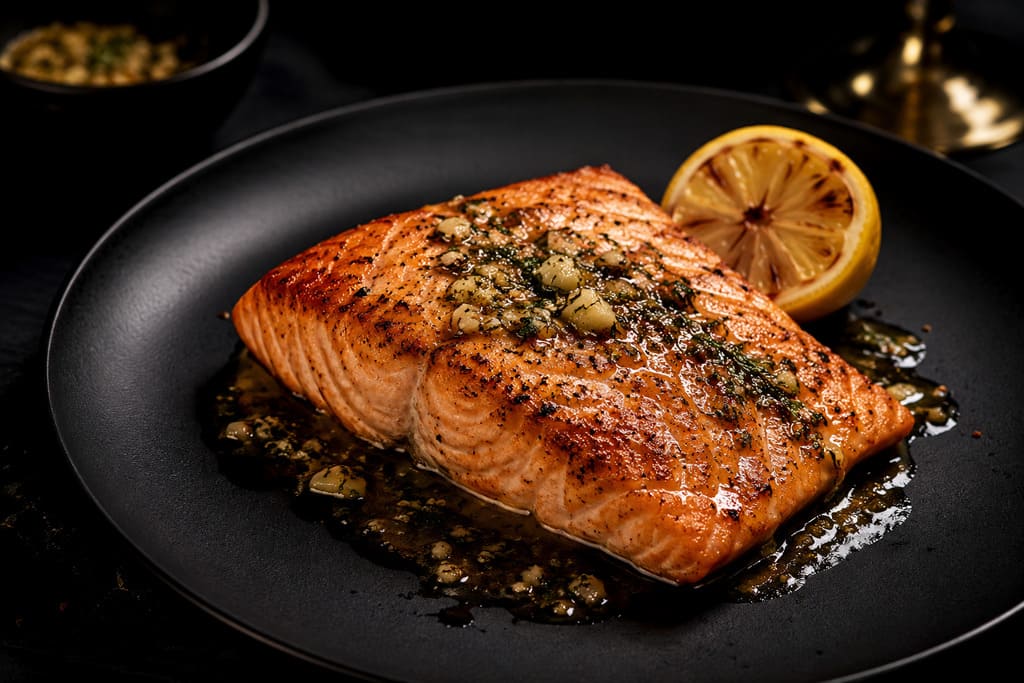
Keep fish separate from meat meals. A clear structure makes kosher keto easier to follow and easier to repeat.
Why Keto Snacks Often Make Hunger Worse
Keto snacks can be useful occasionally, but they often become a problem when they replace real meals. Low-carb bars, sweeteners, keto desserts, nuts, and treats may keep you technically low-carb, but they can keep cravings alive.
If you are constantly hungry on keto, check your snack habits first. Many people do better with fewer eating windows and more complete meals. A proper steak and eggs breakfast usually controls appetite better than nibbling on keto snacks all morning.
Sweet Taste Can Keep Cravings Alive
Even when a sweetener is low-carb, the sweet taste can keep some people wanting more. This is not true for everyone, but it is common enough to test. If you feel hungry after keto desserts, the dessert may be keeping appetite active.
Nuts Can Become Grazing Food
Nuts are low-carb compared with bread or sweets, but they are easy to overeat. A small handful can become repeated handfuls. If appetite control is your goal, nuts should be tested carefully.
Keto Bars Are Not the Foundation
Keto bars may be convenient, but they are not the same as a real meal. If your day is built around bars and snacks, you may never get the appetite control you expected from keto.
Better Snack Alternatives
- Boiled eggs.
- Leftover chicken thighs.
- Cold burger patties.
- Bone broth.
- Canned tuna with olive oil.
- Leftover steak slices.
These foods are not exciting in a processed snack way, and that is the point. They feed you without triggering the same cycle of sweet cravings.
How to Stop Grazing
Grazing is the habit of eating little bits all day. It can happen even on keto. A bite of cheese, a few nuts, a spoon of peanut butter, a low-carb biscuit, another coffee, a keto bar, then another handful of something. By the end of the day, you may have eaten often but never felt properly fed.
Start With Bigger Meals
If you graze because meals are too small, make meals more complete. Add more protein first, then enough fat to finish the meal properly.
Create Clear Eating Windows
You do not need strict fasting to benefit from structure. Even a simple rule like “I eat meals, not random bites” can help appetite settle.
Remove Trigger Snacks From Sight
If certain foods call your name all day, do not keep them visible. Put real meal ingredients at the front: eggs, cooked chicken, burger patties, broth, tuna, or prepared proteins.
Use Ketovore When Keto Feels Too Snacky
Some people start keto with lots of low-carb products and eventually feel stuck. Ketovore can help by simplifying the food list. Instead of building meals around almond flour, sweeteners, and snacks, ketovore moves the focus back to meat, eggs, fish, chicken, and simple fats.
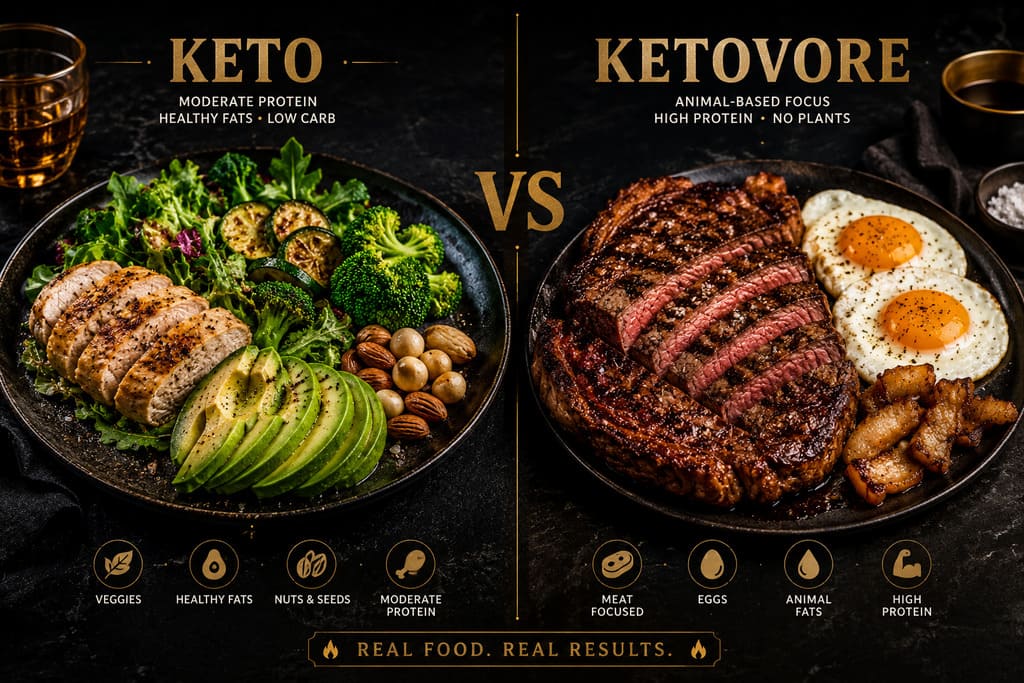
What Changes When You Move Toward Ketovore?
You reduce the extras. Meals become more meat-first. You may still include small low-carb sides, avocado, pickles, or dairy meals if they work for you, but the centre of the diet becomes animal-food focused.
Why Ketovore Can Calm Appetite
For many people, fewer choices means fewer cravings. If keto gives you too many loopholes, ketovore can bring back structure without requiring permanent carnivore.
When Ketovore Makes Sense
- You are technically keto but constantly snacking.
- You rely too much on keto desserts.
- You feel better with more protein.
- You want fewer decisions.
- You want a meat-first plan without removing every low-carb extra forever.
Carnivore Reset for Appetite and Cravings
A carnivore reset can be useful when cravings are strong, digestion feels unpredictable, or you want to identify which foods trigger overeating. In the KosherVore system, carnivore is not treated as a religion. It is a practical reset tool.
A simple kosher carnivore-style reset might include beef patties, eggs, chicken, lamb, bone broth, and salt. No bacon, no shellfish, no meat and dairy mixing, and no doubtful ingredients.
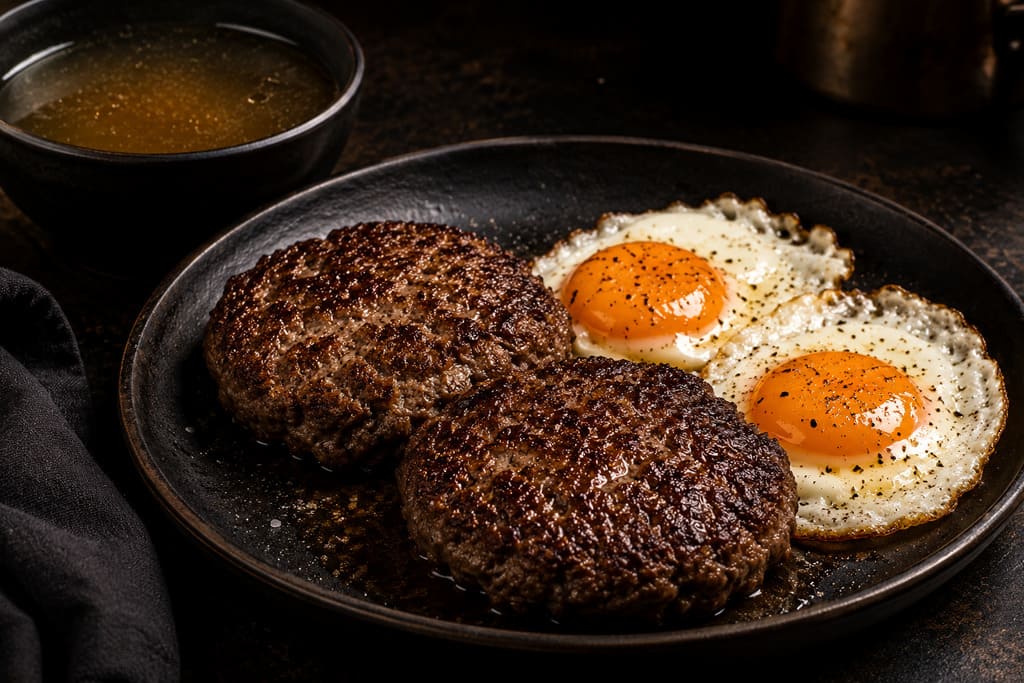
When to Use a Reset
A reset may help if hunger feels chaotic, sweeteners are triggering cravings, nuts or dairy are hard to control, or you want to test which foods affect you.
What Happens After the Reset?
After a reset, you can slowly add back low-carb foods and notice what affects hunger, cravings, bloating, mood, or energy. The reintroduction stage matters. If you add everything back at once, you learn very little.
For a deeper approach, see the Reintroducing Foods After Carnivore guide and the Carnivore Without Bacon guide.
Hydration and Salt Matter on Keto
Sometimes what feels like hunger is actually thirst, low salt, or low energy from poor meal structure. When carbs are reduced, the body may hold less water. That is why hydration and salt can become more important.
Bone broth, salted food, and mineral-rich meals can help you feel more stable. This is especially important during the first few weeks of keto or when moving toward ketovore.

Simple Keto Hydration Habits
- Drink water consistently through the day.
- Salt your food properly.
- Use broth when meals feel too light.
- Avoid replacing meals with coffee only.
- Pay attention to dizziness, weakness, or unusual fatigue.
Do Not Use Salt to Ignore Real Hunger
Salt and hydration matter, but they do not replace proper meals. If you are hungry because you under-ate, eat real food. Appetite control is not about tricking your body. It is about feeding it properly.
Meal Prep Makes Appetite Control Easier
Appetite control is much harder when you are hungry and have nothing ready. The easiest way to stay consistent is to prepare proteins before you need them.
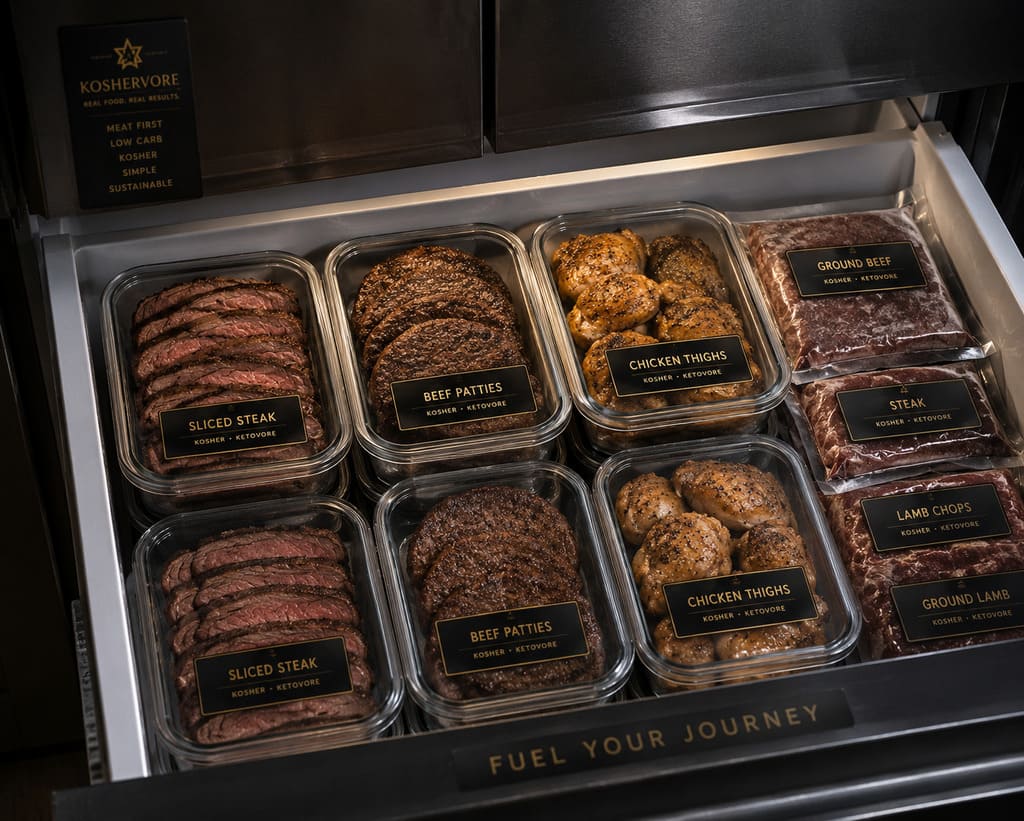
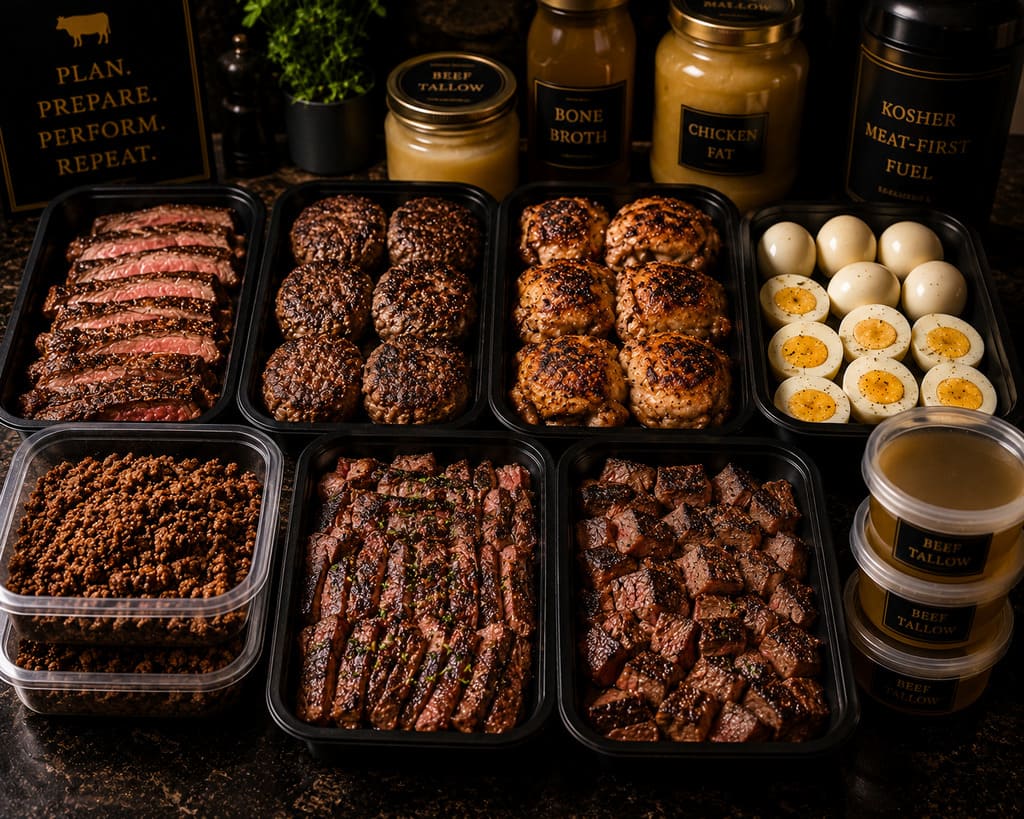
You do not need complicated meal prep. Choose two or three proteins for the week:
- Cooked burger patties.
- Roasted chicken thighs.
- Boiled eggs.
- Sliced steak.
- Portioned bone broth.
- Ground beef bowls.
- Salmon portions for fish meals.
When these are ready, meals become easy. You can eat before cravings take over.
Beginner Meal Prep Plan
Start with one tray of chicken thighs, one batch of burger patties, and a pot of broth or stock. Add boiled eggs if you tolerate them. That alone can cover several meals without needing complicated recipes.
Breakfast Ideas for Better Appetite Control
A protein-rich breakfast can help reduce grazing later in the day. This does not mean everyone must eat breakfast. Some people naturally prefer two meals a day. But if you are hungry in the morning, make breakfast count.
Steak and Eggs
Use leftover steak with eggs fried in schmaltz or tallow. This is filling, simple, and naturally low-carb.
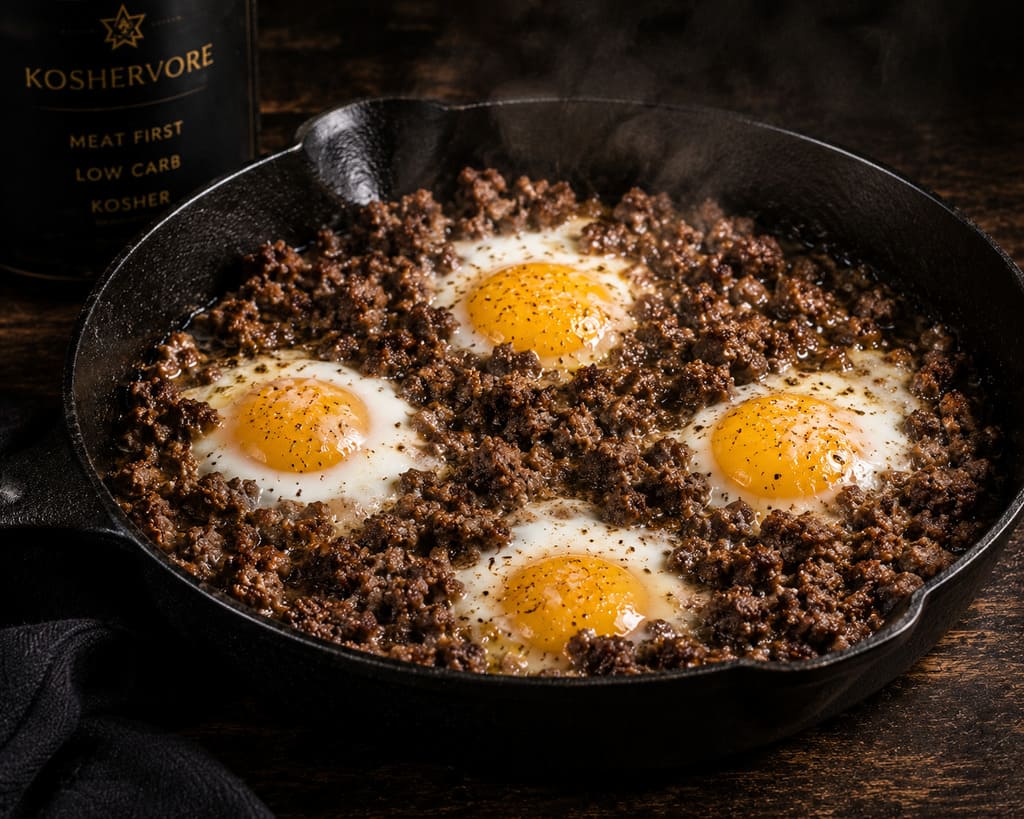
Ground Beef and Eggs
Cook ground beef until browned and crack eggs into the pan. The rendered fat helps create a satisfying skillet meal.
Chicken and Broth
If you prefer something lighter, chicken thighs with warm broth can be simple and steady.
Lunch and Dinner Ideas That Keep You Full
Lunch and dinner should not feel like diet punishment. If meals are built correctly, they should feel satisfying enough that snacks become less important.
Lunch Ideas
- Cold burger patties with pickles and cucumber.
- Chicken thighs with avocado.
- Tuna with olive oil and boiled eggs.
- Leftover steak with salad.
- Egg omelet with cheese in a dairy meal.
Dinner Ideas
- Lamb chops with stock reduction.
- Roast chicken with low-carb vegetables.
- Ground beef bowl with eggs.
- Salmon with avocado and cucumber.
- Steak with pan sauce and a simple side.
The key is repetition. Repeating meals is not failure. It is how you build consistency.
Need Simple Meal Ideas?
Start with repeatable kosher meals that use real protein, simple fats, and easy prep.
See Easy Low-Carb Meals7-Day Keto Appetite Control Plan
This simple plan is not a strict menu. It is a structure you can use to calm hunger, reduce snacking, and rebuild meals around real food.
Day 1: Remove the Snack Foundation
Look at your normal day and identify the snacks that are carrying you. Replace one snack window with a proper protein meal.
Day 2: Build Protein-First Meals
Make protein the centre of each meal. Choose beef, chicken, lamb, eggs, or fish meals kept separate according to kosher rules.
Day 3: Add Fat for Satisfaction
Use fat to make meals satisfying. In meat meals, use pan juices, schmaltz, tallow, olive oil, stock reduction, or avocado. In dairy meals, use dairy fats separately.
Day 4: Use Broth and Salt
Add broth or properly salted meals if you feel weak, light, or snacky. Do not use coffee as a meal replacement.
Day 5: Remove Sweet Keto Treats
Take a short break from keto desserts, bars, and sweeteners. Notice whether cravings become easier.
Day 6: Prep Two Proteins
Cook two proteins for the next few days. Burger patties and chicken thighs are simple. Add eggs or fish meals if they fit your plan.
Day 7: Review What Worked
Ask which meals kept you full longest. Repeat those. Appetite control improves when you learn from your own meals.
Appetite Control for Busy People
Busy people often struggle with keto because they wait too long to eat and then reach for whatever is nearby. The solution is not a complicated meal plan. The solution is having simple proteins ready.
Keep Emergency Meals Available
- Boiled eggs.
- Cooked burger patties.
- Roasted chicken thighs.
- Canned tuna.
- Broth or stock.
- Leftover steak.
Use Simple Repetition
You do not need a different recipe every day. If steak and eggs keeps you full, use it. If chicken thighs and broth works, repeat it. Consistency beats novelty when appetite is the problem.
Appetite Control on Shabbat and Family Meals
Shabbat and family meals can be challenging because food is social, traditional, and often higher in carbs. You do not need perfection, but you do need a plan.
Eat Protein First
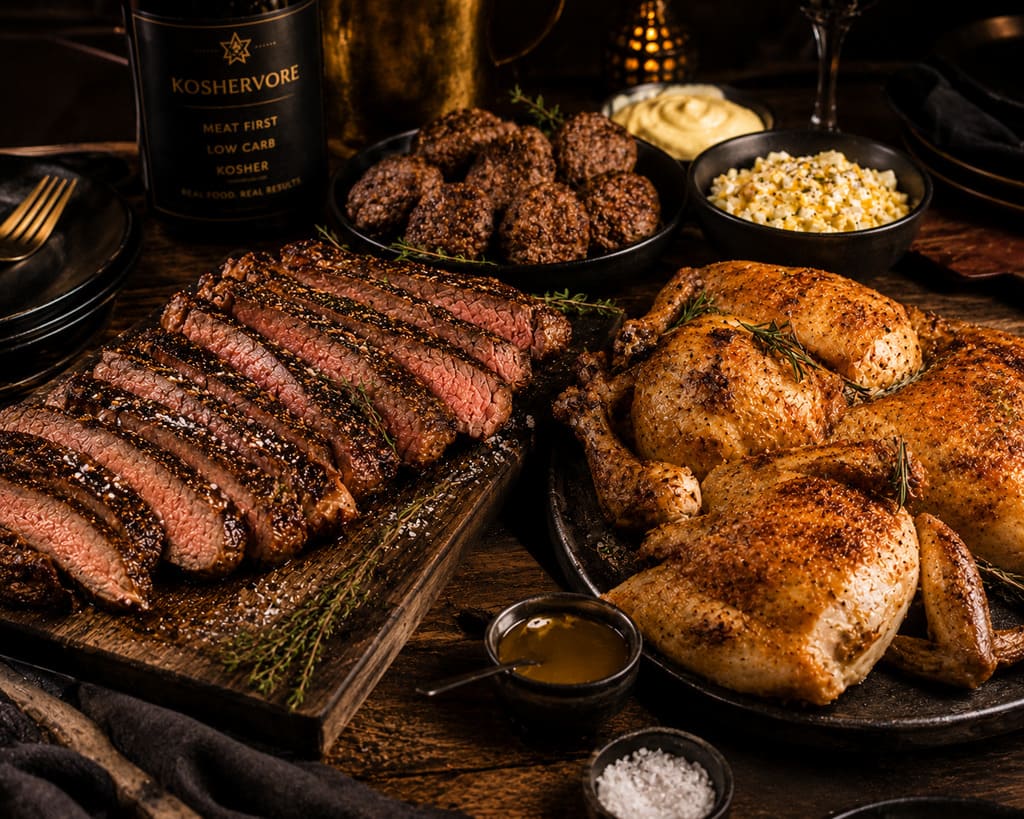
Start with chicken, meat, eggs, fish at a separate fish meal, or another kosher protein. When protein comes first, bread, kugel, desserts, and snacks become easier to manage.
Choose Your Extras Intentionally
If you include a small extra, choose it intentionally instead of grazing through the meal. Appetite control is easier when decisions are deliberate.
Do Not Arrive Starving
Going into a long meal starving often leads to overeating. A small protein-based meal earlier in the day may help you stay steady.
Common Reasons You Are Still Hungry on Keto
Your Meals Are Too Small
If you are eating tiny portions because you are trying to lose weight quickly, hunger often pushes back. Start with proper meals, then adjust gradually.
You Are Eating Too Many Keto Treats
Keto desserts and sweeteners may keep cravings alive for some people. If appetite feels unstable, remove sweet treats for a while and focus on meat-first meals.
You Are Not Eating Enough Protein
A high-fat, low-protein plate can leave you unsatisfied. Make protein the foundation of each meal.
You Are Not Sleeping Enough
Poor sleep can increase hunger and cravings. Keto helps many people, but it cannot fully replace basic recovery.
You Are Drinking Calories Instead of Eating Meals
Fatty drinks, coffees, and little bites may feel convenient, but they may not satisfy like proper food. Try eating a complete meal instead.
You Are Eating Trigger Foods
For some people, nuts, dairy, sweeteners, and keto baked goods make hunger worse. Test them honestly.
Troubleshooting Keto Hunger
If You Are Hungry One Hour After Eating
Your meal may have been too small or too low in protein. Next time, increase protein first before adding more snacks.
If You Are Hungry at Night
Night hunger often starts earlier in the day. Check whether breakfast and lunch had enough protein. Also look at sleep, stress, and sweeteners.
If You Crave Sweet Foods
Remove sweet keto foods for a short test. Use simple meals, broth, eggs, meat, chicken, fish meals, and low-carb sides instead.
If You Keep Eating Nuts
Nuts may be too easy to overeat. Remove them for a week and see whether appetite improves.
If You Feel Weak or Light
Check hydration, salt, and meal size. If you use medication or have a health condition, speak with your doctor.
How to Build a Filling Kosher Keto Plate
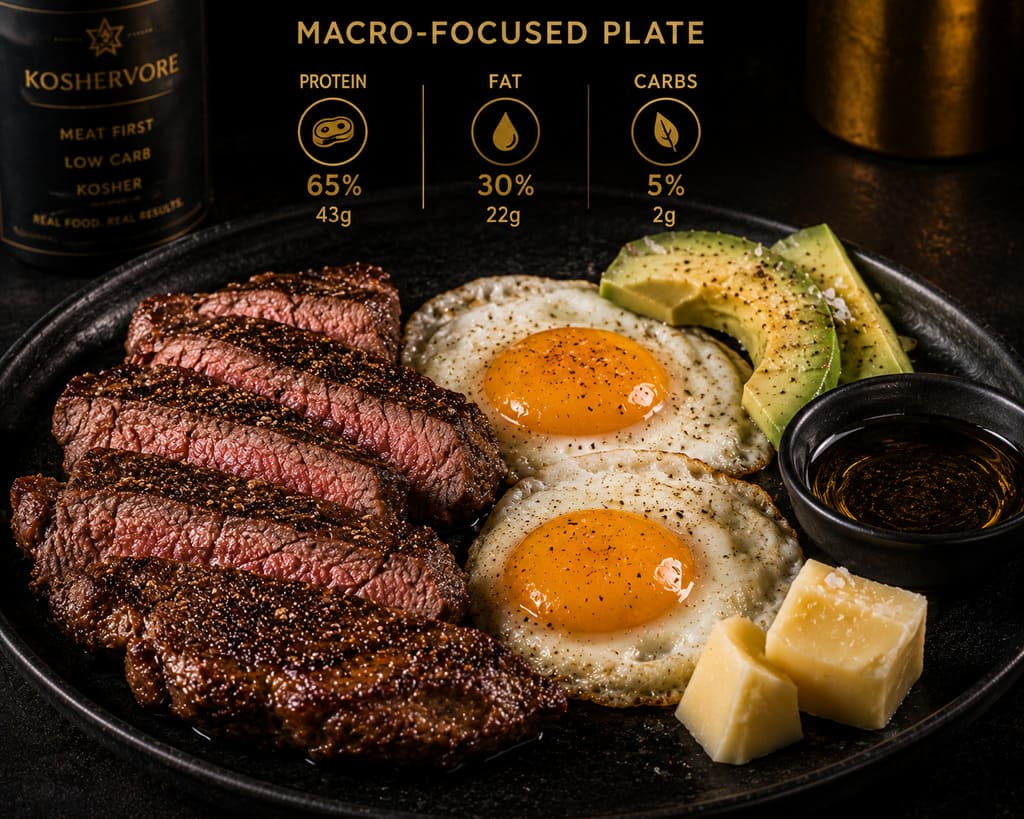
A satisfying kosher keto plate does not need to be complicated. Use this simple structure:
- Protein: beef, chicken, lamb, fish, or eggs.
- Fat: schmaltz, tallow, olive oil, rendered fat, avocado, or dairy fat in dairy meals only.
- Technique: sear, roast, reduce, crisp, rest.
- Optional extras: herbs, lemon, avocado, cucumber, pickles, or low-carb vegetables.
This keeps meals rich, low-carb, and kosher-friendly without needing complicated rules.
Best Kosher Keto Foods for Appetite Control
- Beef patties without fillers.
- Steak.
- Chicken thighs.
- Lamb chops.
- Eggs.
- Salmon and kosher fish meals.
- Bone broth or stock.
- Avocado.
- Cucumber and pickles if tolerated.
- Low-carb vegetables in moderate amounts.
- Schmaltz, tallow, olive oil, and pan juices.
Foods That Often Trigger Hunger
Not every food affects every person the same way, but these are common foods to test if appetite is not improving:
- Keto desserts.
- Sweeteners.
- Nuts and nut flours.
- Keto breads.
- Protein bars.
- Dairy snacks.
- Constant coffee with cream in dairy meals.
- Low-carb packaged foods.
You do not need to remove everything forever. Remove one category for a short test and see what changes.
Helpful KosherVore Guides
Use these guides to keep building your low-carb, keto, ketovore, and carnivore foundation.
Final Thoughts on Keto Appetite Control
Keto appetite control is not about forcing yourself to eat less. It is about building meals that naturally keep you satisfied. When meals contain enough protein, enough fat, enough salt, and enough flavour, you are less likely to chase snacks all day.
For a kosher kitchen, this approach can be simple and powerful. Use real kosher proteins, separate meat and dairy properly, avoid doubtful ingredients, keep meat and fish separate, and build richness through stock, fat, and technique.
The more you simplify your meals, the easier it becomes to hear your appetite clearly. That is where keto becomes more than a diet. It becomes a practical way to eat low-carb, high-protein, and fully kosher without constant confusion.
Ready to Make Keto Easier?
Start with simple kosher low-carb recipes, meat-first meal ideas, and practical guides built for real life.