
How to Use Carnivore as a Kosher Elimination Tool
A practical kosher guide to using carnivore as a short-term reset so you can simplify food, reduce confusion, and carefully test what your body reacts to.
A carnivore elimination tool is not about turning carnivore into a permanent identity. It is a structured way to make food very simple for a short period of time, then slowly add foods back so you can see what works for your body.
Many people struggle because they are eating too many variables at once. A normal low-carb meal might include meat, sauce, spices, vegetables, sweeteners, dairy, nuts, oils, and packaged keto products. If you feel bloated, hungry, stiff, tired, uncomfortable, or full of cravings afterwards, it can be difficult to know what caused the problem.
Carnivore removes most of that noise. For a limited time, you eat simple kosher animal foods. Then you reintroduce foods one at a time and pay attention. That is why this page treats carnivore as an elimination tool, not a food religion.
Important Health Note
This guide is educational and practical. It is not medical advice. If you have diabetes, kidney disease, gout, heart disease, take medication, are pregnant, have a history of eating disorders, or have any medical condition, speak to your doctor before making major diet changes.
This is especially important if you take blood sugar medication, blood pressure medication, diuretics, or any medicine where food changes could affect your levels. A safe plan is always better than a dramatic plan.
What Is a Carnivore Elimination Tool?
A carnivore elimination tool is a temporary reset that removes most foods for a chosen period of time. The goal is to create a clear baseline. Once the baseline is clearer, foods are added back slowly so you can watch for changes.
This is different from saying every plant food is bad. It is also different from saying you must stay carnivore forever. The point is testing. If you remove many foods and then add them back carefully, it can become easier to notice whether a specific food affects cravings, digestion, appetite, energy, skin, joint comfort, or blood sugar response if you monitor it.
Why It Can Help
When your food list becomes smaller, your tracking becomes easier. If you are eating simple kosher beef, chicken, lamb, eggs if tolerated, salt, and water, there are fewer ingredients to blame. That simplicity can be useful when you feel stuck or confused.
Why It Should Stay Practical
An elimination diet should teach you something. It should not trap you in fear. At KosherVore, the goal is to use carnivore as a tool, then move forward with more knowledge about your own body.
A Simple Example
Imagine you usually eat a low-carb meal with chicken, salad, dressing, nuts, pickles, sweetener, and a keto dessert. If you feel uncomfortable later, you may not know whether the problem was the dressing, nuts, sweetener, dairy, fibre, portion size, or something else. A carnivore reset removes those variables first. Then you test them one at a time.
Carnivore Elimination Tool vs Regular Carnivore
Regular carnivore usually means someone chooses an animal-food way of eating as their normal diet. A carnivore elimination tool is different. It has a purpose, a timeline, and a reintroduction plan.
The elimination version asks: “What can I learn if I simplify food for a while?” It does not ask: “How strict can I be forever?” That difference matters because the goal is clarity, not pressure.
Regular Carnivore
Regular carnivore may be used as a long-term eating pattern by people who feel best with animal foods only. Some people like the simplicity and stay there. That is a personal choice and should be handled carefully.
Carnivore as an Elimination Tool
As an elimination tool, carnivore is a temporary testing phase. You simplify first, observe, then reintroduce. The reintroduction stage is where you learn which foods belong in your long-term plan.
The KosherVore Difference
KosherVore does not treat carnivore as a competition. The goal is not to be the strictest person in the room. The goal is to find the clearest, simplest, most practical kosher food structure that helps you feel more in control.
Who Should Use a Carnivore Elimination Tool?
A kosher carnivore elimination tool may be useful for someone who wants fewer food decisions, fewer cravings, and a clearer way to test reactions. It can also help people who feel overwhelmed by keto snacks, sweeteners, nuts, dairy, vegetables, sauces, and too many “allowed” foods.
You May Benefit If
- You feel stuck on low-carb or keto.
- You are unsure which foods cause cravings.
- You react differently to different low-carb foods.
- You want a simple reset before rebuilding your diet.
- You want to test foods one at a time instead of guessing.
- You keep returning to snacks, sweeteners, or keto treats.
- You want a short, structured break from food decisions.
You Should Be Careful If
If you use medication, especially for blood sugar or blood pressure, do not treat this as casual advice. A major food change can change your needs. Medical guidance matters. The same is true if you have kidney disease, gout, heart disease, pregnancy, or a history of disordered eating.
Not Everyone Needs This
You do not need carnivore if basic low-carb is working well. You do not need carnivore if keto gives you steady appetite control. You do not need carnivore just because someone online says it is the only answer. Use the strictest tool only when it solves a real problem.
Carnivore Reset vs Carnivore Forever
There is a big difference between using carnivore as a reset and believing carnivore must be forever. A reset has a purpose. It has a starting point, a tracking period, and a reintroduction plan.
Carnivore forever is a different decision. Some people choose long-term carnivore because they feel best that way. Others use it for a few days or weeks, learn from it, and then move back toward ketovore, keto, or low-carb. KosherVore allows that flexibility.
The KosherVore View
Carnivore is not the highest moral level. It is the simplest food level. Simpler can be useful, especially during testing, but the goal is not to become more extreme for the sake of being extreme.
The Best Result
The best result is not necessarily that you stay carnivore. The best result is that you understand your body better. Maybe you learn that dairy is fine. Maybe you learn that sweeteners trigger cravings. Maybe you learn that eggs do not suit you. Maybe you learn that you feel best on ketovore with small low-carb extras. That is useful information.
Use Carnivore as a Test, Not a Cage
Keep the strict phase simple, track what changes, and use reintroduction to learn what actually works for your body.
Read the Carnivore GuideWhy Use Carnivore for Elimination?
Carnivore can be useful because it removes many common trigger foods at the same time. That includes sugar, grains, seed oils, alcohol, ultra-processed snacks, keto treats, nuts, sweeteners, high-fibre foods, and many ingredients that people often eat without noticing.
When food becomes simple, patterns can become easier to notice. You may see whether cravings calm down, whether hunger changes, whether digestion improves or worsens, whether joint stiffness changes, or whether certain foods cause a reaction when they are added back later.

Common Things People Watch
- Cravings and snack urges
- Hunger between meals
- Energy after eating
- Digestive comfort
- Bloating or heaviness
- Skin changes
- Joint comfort or stiffness
- Blood sugar response if monitored
Common Trigger Categories
Some people react to obvious high-carb foods. Others struggle with foods that look healthy or low-carb, such as nuts, dairy, sweeteners, pickles, spices, sauces, or keto baked goods. A carnivore reset helps you separate the foods that truly work from the foods that quietly pull you off track.
What a Baseline Means
A baseline is your simple starting point. It is the period where you keep food consistent enough to observe your body without too many variables. A good baseline does not need to be fancy. In fact, it works better when it is plain.
For a kosher carnivore baseline, you might use beef, lamb, chicken, eggs if tolerated, salt, water, broth, and animal fats from meat meals. You keep fish separate if you include it. You avoid dairy during the strict phase if you want the cleanest test.
Why Baseline Matters
Without a baseline, reintroduction is messy. If you are eating twenty different foods and then add one more, you cannot tell what changed. With a baseline, you can add one food and watch the response more clearly.
Baseline Is Not the Final Diet
The baseline is not necessarily your forever way of eating. It is a controlled starting point. Once you learn what helps or hurts, you can build a more flexible long-term plan.
A Good Baseline Is Repeatable
Your baseline should be made from foods you can actually buy, cook, and repeat. If the plan depends on rare ingredients, complicated cooking, or constant discipline, it will not be a useful test for real life.
The Kosher Rules for a Carnivore Reset
A kosher carnivore reset must respect kosher rules from the beginning. That means no bacon, no pork, no shellfish, no meat and dairy combinations, and no meat and fish served together.
Many carnivore recipes online are not written for kosher kitchens. They may rely on bacon, pork rinds, cheeseburgers, butter on steak, cream sauces with meat, shellfish, or meat and fish combinations. Those do not belong in a KosherVore reset.

Meat Meals Stay Meat
Meat meals can include kosher beef, lamb, chicken, turkey, eggs if tolerated and appropriate for your custom, salt, broth, stock, pan juices, schmaltz, or tallow. They should not include butter, cheese, cream, yoghurt, or dairy sauces.
Fish Stays Separate
Kosher fish can be useful, but it should be kept separate from meat meals. Some people include fish during a reset. Others remove it during the strict phase and test it later. Either way, keep the rule clear.
Dairy Is Usually Tested Later
Dairy can fit in low-carb and keto when kept separate, but for the cleanest elimination phase, dairy is usually removed at first and tested later. Dairy can be a trigger for cravings or digestion for some people, so it is worth testing clearly.
No Non-Kosher Shortcuts
Carnivore does not require non-kosher shortcuts. You do not need bacon, pork, shellfish, pork rinds, cheeseburgers, or butter on steak. A kosher version can be simple, satisfying, and clear without copying non-kosher recipes.
The Kosher Carnivore Foundation
The foundation is simple: use kosher animal foods, keep the ingredient list short, and avoid mixed-category meals. The stricter the test, the clearer the results.
Beef
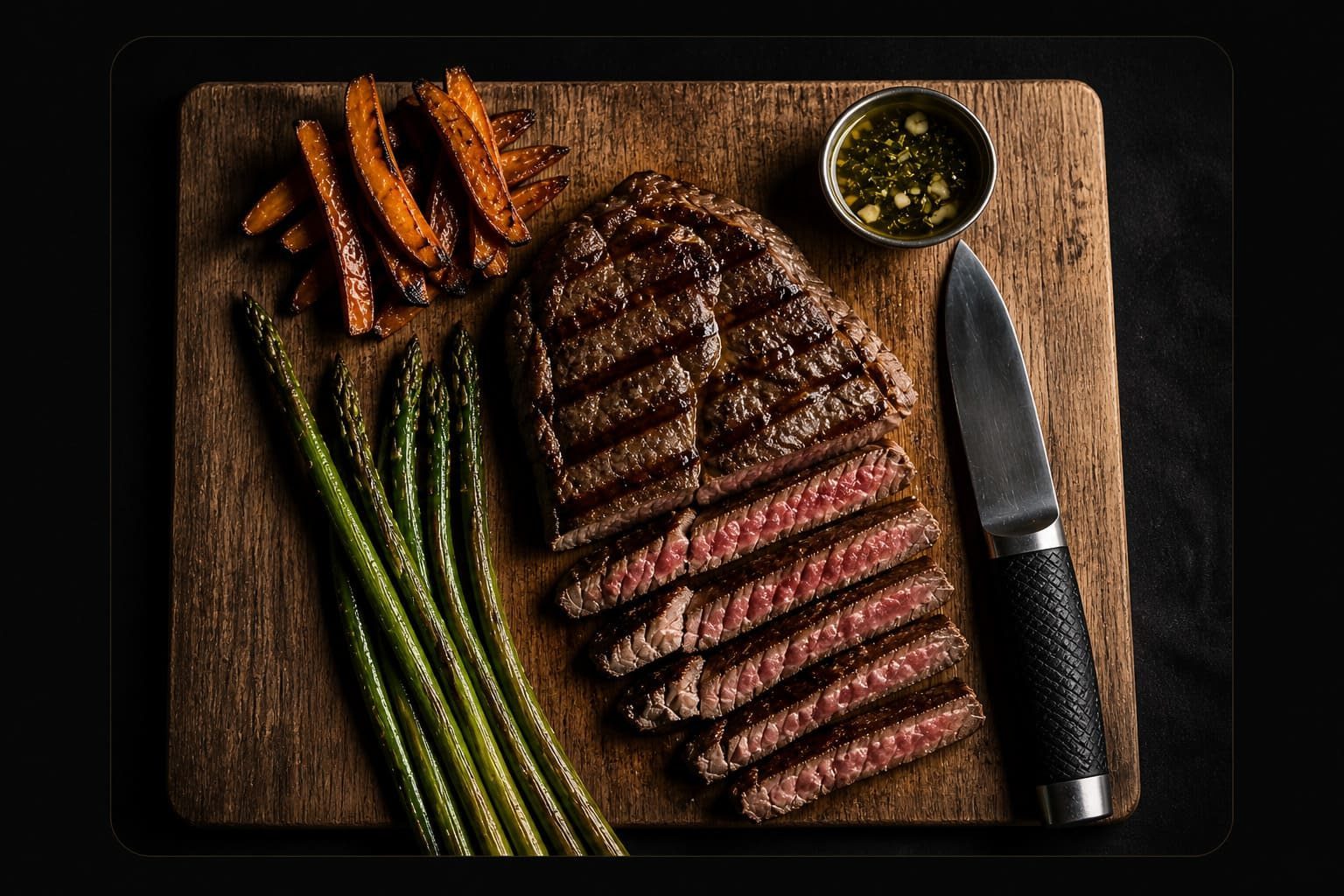
Beef is often the easiest base for a carnivore reset. Use steak, mince, burgers without fillers, brisket, roast beef, ribs, or slow-cooked cuts.
Lamb
Lamb can add variety and richness. Use lamb chops, lamb mince, shoulder, shanks, or slow-cooked lamb when available and kosher certified.

Chicken
Chicken can work well, especially thighs, wings, soup, broth, and roasted chicken. Many people find fattier cuts more satisfying than breast alone.

Eggs
Eggs are simple and useful if tolerated. If you suspect eggs may be a trigger, remove them during the strict phase and test them later.
What to Eat During the Strict Elimination Phase
The strict phase should be simple on purpose. This is not the time for complex recipes, sweeteners, sauces, snacks, or long ingredient lists. The cleaner the starting point, the easier it is to test foods later.

Best Simple Foods
- Beef steaks, brisket, roast beef, mince, and burgers with no fillers.
- Lamb chops, lamb mince, lamb shoulder, and slow-cooked lamb.
- Chicken thighs, wings, soup, broth, and roasted chicken.
- Eggs, if tolerated.
- Salt and water.
- Bone broth or meat stock, if tolerated.
- Schmaltz, beef fat, or pan juices for meat meals.
Simple Kosher Carnivore Meal Examples
- Beef patties with salt and pan juices.
- Slow-cooked brisket with broth.
- Roasted chicken thighs with schmaltz.
- Lamb chops with salt.
- Steak and eggs, if eggs are included and tolerated.
- Chicken soup made with simple kosher chicken and salt.
Optional Foods to Test Later
If you want the cleanest test, keep the first phase very simple and test other foods later. Eggs, fish, dairy, spices, coffee, avocado, pickles, low-carb vegetables, and sweeteners are all better tested one at a time rather than included from the beginning.
Fish During a Kosher Reset
Keep fish separate from meat. Some people include kosher fish in a carnivore-style reset, while others remove fish during the strict phase and test it later. Choose one clear approach and keep it consistent.
Kosher Carnivore Shopping List
A good reset starts before day one. If your kitchen is full of trigger foods and you have no simple protein ready, the plan becomes harder than it needs to be.
Meat Meal Shopping List
- Kosher beef mince
- Steak
- Brisket
- Roast beef
- Lamb chops or lamb mince
- Chicken thighs
- Chicken wings
- Whole chicken for soup
- Eggs, if included
- Salt
- Simple stock or broth ingredients
Keep It Repetitive
This is not the time to impress anyone with variety. Repetition makes the test easier. Choose a few proteins you enjoy, cook enough for a few days, and keep meals simple.
What to Remove During the Test
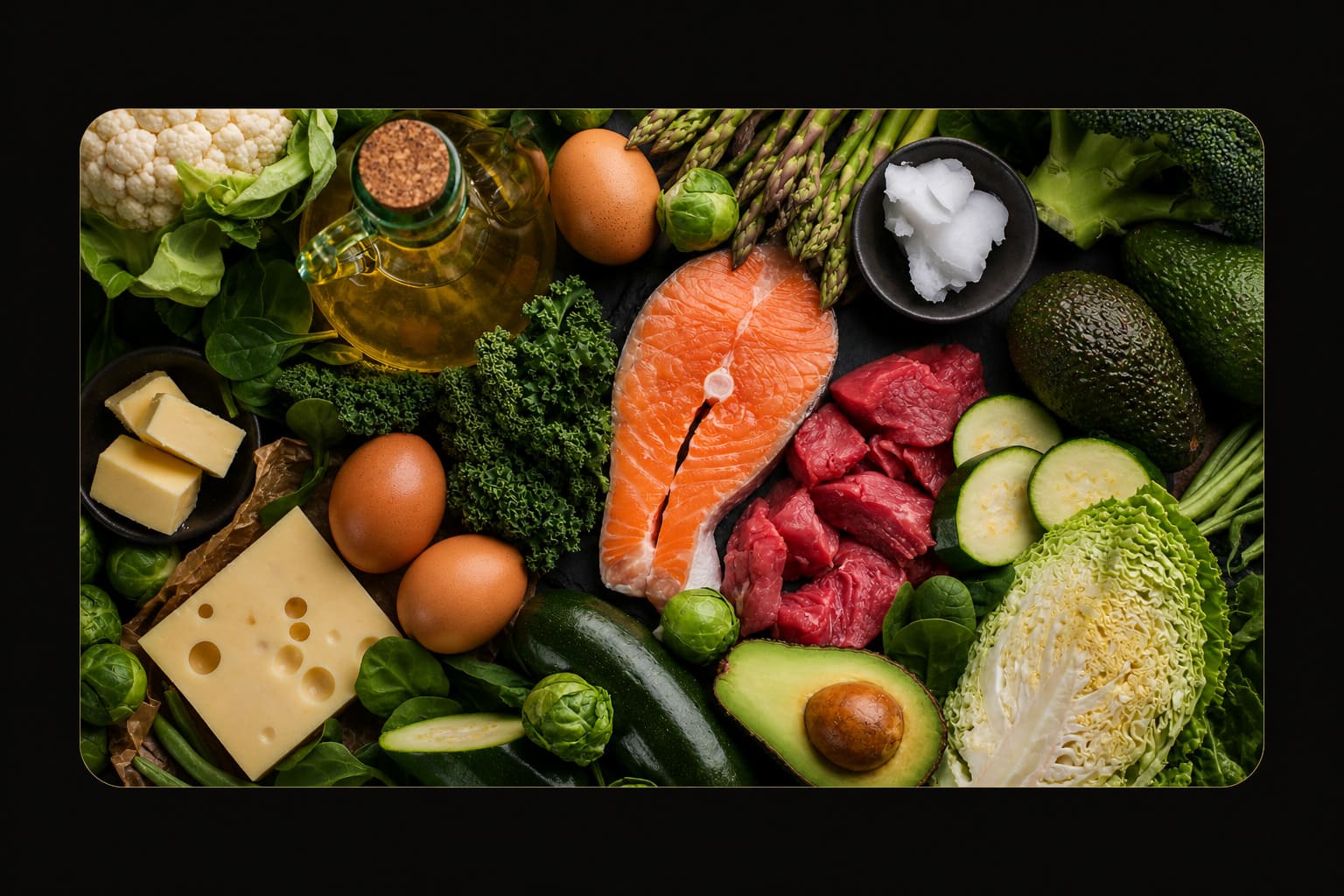
To make the elimination phase useful, remove the foods that commonly blur the results. This includes obvious high-carb foods, but also foods that are technically low-carb yet still cause cravings, digestion issues, or overeating for some people.
- Sugar, honey, syrup, sweets, cakes, biscuits, and sweet drinks.
- Bread, pasta, rice, potatoes, cereal, and grains.
- Nuts, nut flours, keto breads, keto desserts, and protein bars.
- Sweeteners, even low-carb sweeteners, during the strict phase.
- Vegetables, salads, fruit, avocado, olives, and pickles during the strict phase.
- Dairy, if you want the cleanest test.
- Sauces, marinades, spice blends, and processed meats with unclear ingredients.
Why Remove Low-Carb Extras?
Some foods are low-carb but still affect cravings, digestion, appetite, or comfort. Nuts, sweeteners, dairy, pickles, sauces, and keto snacks can all be fine for some people and unhelpful for others. The reset helps you test rather than guess.
How Long Should the Elimination Phase Last?
A useful elimination phase is usually long enough to create a clear baseline, but not so long that it becomes unrealistic. Many people choose 14 to 30 days. Some people need less time, while others prefer a longer reset. The best length depends on your goals, health situation, and how your body responds.
| Length | Best For | Notes |
|---|---|---|
| 7 Days | Quick reset | Useful for reducing food noise, but may be too short for deeper testing. |
| 14 Days | Beginner elimination | A practical starting point for cravings, hunger, and simple food awareness. |
| 30 Days | Deeper reset | Better for noticing patterns before reintroducing foods one at a time. |
| Longer | Only with care | Consider medical guidance, especially with health conditions or medication. |
If your goal is to identify triggers, do not rush the reintroduction stage. The reintroduction stage is where most of the learning happens.
How to Choose Your Length
Choose 7 days if you want a quick reset and your main issue is food noise. Choose 14 days if you want a realistic beginner elimination. Choose 30 days if you want a stronger baseline before testing foods. Do not choose a longer reset just because it sounds more serious. Choose the length that you can do safely and clearly.
The 4-Step Kosher Carnivore Elimination Plan
Keep the process simple. Prepare, simplify, observe, then reintroduce slowly.
Step 1: Prepare Your Kitchen
Remove trigger foods from your normal eating area. Stock simple kosher proteins such as beef, chicken, lamb, eggs if tolerated, salt, and broth. Make sure meat, dairy, and fish separation remains clear.
Step 2: Run the Strict Phase
Eat simple animal foods for your chosen period. Do not add keto treats, vegetables, nuts, dairy, sweeteners, or sauces during the test. Keep meals repetitive and easy.
Step 3: Track What Changes
Watch hunger, cravings, digestion, energy, sleep, mood, skin, joint stiffness, bloating, and blood sugar if you monitor it. Write down what you notice.
Step 4: Reintroduce Foods Slowly
Add one food at a time, wait two to three days, and watch your response. Do not add five foods at once, because then you will not know what caused the reaction.
How to Prepare Before Day 1
The preparation stage often decides whether the reset feels calm or chaotic. You do not need a perfect plan, but you do need enough food, clear rules, and a simple reason for doing it.
Write Down Your Reason
Are you testing cravings? Digestion? Bloating? Energy? Skin? Joint comfort? Blood sugar response? Write down the reason before you start. A clear reason keeps the reset from becoming random restriction.
Choose Your Food List
Decide whether you are including eggs. Decide whether fish is included or tested later. Decide whether coffee stays or goes. Do not change these choices every day unless there is a clear reason.
Plan Your First Three Days
Cook enough protein for the first few days. The first stage is easier when food is already available. Beef patties, chicken thighs, brisket, lamb, and broth can make the reset feel more manageable.
7-Day Carnivore Reset Plan
A 7-day reset is not long enough for every goal, but it can help reduce food noise and show you whether simpler meals make you feel more stable.
Days 1–2: Simplify
Eat simple kosher meat meals. Keep ingredients plain. Avoid sauces, sweeteners, vegetables, dairy, and snacks. Do not judge the whole reset by the first day because your body may need time to adjust.
Days 3–5: Observe
Notice hunger, cravings, digestion, energy, and whether you are thinking about food less often. Keep meals repetitive. If you keep changing foods, you reduce the value of the test.
Days 6–7: Decide What You Learned
If you feel clearer, you can continue to 14 days or begin a careful reintroduction. If you feel worse, review hydration, salt, food quantity, sleep, stress, and medical considerations.
14-Day and 30-Day Options
A 14-day plan gives you more time to notice patterns. A 30-day plan gives an even clearer baseline, but it should be approached carefully and realistically.
14 Days
This is often a practical beginner option. It is long enough to reduce many cravings and short enough to feel manageable. For many people, 14 days gives enough information to decide whether to continue, stop, or begin reintroduction.
30 Days
A 30-day reset may be useful if your goal is deeper testing. It gives your body more time with fewer variables, but it also requires more planning. Make sure you have enough food, enough variety within kosher animal foods, and a clear reintroduction plan before you finish.
Longer Than 30 Days
Some people choose longer resets, but longer is not automatically better. If you are using carnivore as an elimination tool, do not forget the purpose. The purpose is to learn, not to stay strict because you are afraid to test foods.
What to Track Each Day
Tracking does not need to be complicated. A simple daily note can show patterns that memory misses. The goal is not perfection. The goal is useful information.
Simple Tracking Template
- What did I eat today?
- How hungry was I before meals?
- How satisfied was I after meals?
- Did I have cravings?
- How was my digestion?
- How was my energy?
- How did I sleep?
- Any bloating, stiffness, skin changes, or discomfort?
- Any blood sugar notes if I monitor glucose?
Signs the Reset May Be Helping
You may notice fewer cravings, fewer snack urges, steadier hunger, simpler decisions, better awareness, or clearer reactions when foods return. These are useful signs that the reset is giving you information.
Signs You Should Pause or Get Help
If you feel unwell, dizzy, weak, unusually anxious, or medically unsafe, do not force the plan. Pause and speak to a qualified professional. A food reset should never become a test of stubbornness.
How to Reintroduce Foods After Carnivore
Reintroduction is the most important part of the process. If you add back eggs, dairy, vegetables, nuts, sweeteners, coffee, and sauces all at once, you will not know what helped or hurt.
The Reintroduction Rule
Add one food at a time. Keep everything else steady. Wait two to three days. Watch your response. Then decide whether that food belongs in your regular plan.
Best First Foods to Reintroduce
- Eggs, if removed during the strict phase
- Kosher fish, kept separate from meat meals
- Avocado
- Cucumber
- One low-carb vegetable at a time
- Simple herbs or spices
- Dairy in a separate dairy meal
Foods to Reintroduce Later
Sweeteners, nuts, keto baked goods, dairy-heavy meals, sauces, and packaged low-carb products are better tested later. These foods can be easy to overeat or may bring cravings back for some people.
Reintroduction Is Where the Learning Happens
Do not rush back to everything at once. Add one food, observe, and let the reset teach you something useful.
Read Reintroducing Foods After CarnivoreHow to Test Specific Foods
Every food test should be simple. Add the food in a normal portion. Do not test it with three other new foods. Keep the rest of your meals steady.
How to Test Eggs
If you removed eggs, test them alone with a familiar meat meal or as their own simple meal. Watch digestion, appetite, cravings, skin, and energy for the next two to three days.
How to Test Fish While Keeping Kosher
Test kosher fish as a separate fish meal, not mixed with meat. Keep the preparation simple. Avoid sauces or spices if you are trying to test the fish itself.
How to Test Dairy
Test dairy in a separate dairy meal. Do not test dairy by adding it to a meat meal. Start simple, such as plain yoghurt, cheese, or cream in a dairy context if those foods fit your personal plan.
How to Test Low-Carb Vegetables
Choose one vegetable at a time. Cucumber, courgette, cauliflower, lettuce, or green beans may be easier starting points for some people than a large mixed salad.
How to Test Sweeteners and Keto Products
Test these last. Sweeteners and keto products may not raise carbs much, but they can bring back cravings or snacking behaviour. If they make you want more sweet food, that is important information.
What to Do If a Food Triggers Symptoms
If a food seems to trigger cravings, bloating, discomfort, low energy, or other symptoms, do not panic. You have learned something. Remove the food, return to your baseline, and decide whether to test it again later.
Do Not Overreact
One reaction does not mean the food is evil forever. It may mean the portion was too large, the timing was wrong, the preparation was different, or your body is not ready for it yet.
Look for Patterns
If the same food causes the same problem more than once, that is stronger information. Keep notes so you do not rely on memory alone.
Build Your Personal Food List
After reintroduction, you should have three lists: foods that work well, foods to limit, and foods to avoid for now. That personal list is more useful than copying someone else’s diet.
Carnivore Reset to Ketovore Transition
Many people do not want to stay carnivore forever, but they also do not want to return to constant snacking and food confusion. This is where ketovore can be helpful.
Ketovore keeps meals meat-first while allowing carefully chosen low-carb extras. You might keep beef, chicken, lamb, and eggs as the base, then add avocado, cucumber, pickles, or small low-carb sides if they work for you.
Why Ketovore Works After Carnivore
Ketovore keeps the simplicity that made carnivore useful, but it gives you more flexibility. It can be a practical long-term middle ground for people who do not want standard keto snacks but also do not need strict carnivore every day.
Move Slowly
Do not move from strict carnivore to a full mixed low-carb menu overnight. Add one layer at a time. Keep the foods that worked and test the foods that are uncertain.
Carnivore Reset to Keto or Low-Carb
Some people prefer moving back to keto or low-carb after a reset. That can work well if you use what you learned. The mistake is using the reset, learning nothing, and then returning to the same foods that caused confusion before.
Moving Back to Keto
Keto may be a good next step if you want structure but also want low-carb vegetables, dairy meals, avocado, sauces, and more variety. Keep meat meals and dairy meals separate, and keep fish separate from meat.
Moving Back to Low-Carb
Low-carb may be enough if you want flexibility and can manage cravings with simpler food choices. The key is to avoid turning low-carb into constant snacking or replacement desserts.
Use the Reset as Feedback
The reset should change how you build meals. If you learned that sweeteners bring back cravings, reduce them. If dairy affects digestion, test carefully. If vegetables are fine, use them wisely.
Common Mistakes
Doing Too Much at Once
If you change food, sleep, exercise, supplements, caffeine, and fasting all at once, it becomes hard to know what helped. Keep the test simple.
Not Eating Enough
Some people feel bad because they are under-eating, not because carnivore is automatically wrong for them. Eat enough kosher protein and fat to feel satisfied.
Using Processed Meats Too Often
Processed meats can contain fillers, sugars, spices, or unclear ingredients. Use simple meat cuts whenever possible.
Skipping Salt and Hydration
When carbs drop, fluid balance may change. Pay attention to water and salt, especially during the first week.
Reintroducing Too Quickly
The biggest mistake is adding back too many foods at once. Slow testing gives clearer answers.
Turning the Reset Into Fear
If you become afraid of every food, the reset has gone off track. The goal is confidence and clarity, not anxiety.
Troubleshooting Guide
If You Feel Hungry
Check whether you are eating enough protein and fat. Very lean meals may not satisfy you for long. Chicken breast alone is often less satisfying than fattier cuts or slow-cooked meat.
If Digestion Changes
Digestive changes can happen when food changes sharply. Track what is happening, keep meals simple, and seek medical advice if symptoms are severe or persistent.
If Cravings Increase
Look for hidden sweeteners, sauces, caffeine changes, under-eating, poor sleep, or stress. Cravings are information, not failure.
If Energy Drops
Review food quantity, salt, hydration, sleep, and whether the plan is appropriate for you. Do not push through severe symptoms.
If Blood Sugar Changes
If you monitor blood sugar and notice significant changes, speak to your doctor, especially if you use medication. Food changes and medication need to be managed carefully.
If Symptoms Return During Reintroduction
Remove the food, return to your simple baseline, and test again later if needed. One reaction does not mean panic. It means you learned something useful.
Helpful KosherVore Guides
Final Thoughts
A kosher carnivore elimination tool is not about fear, punishment, or proving that you can be strict. It is about creating enough simplicity to learn from your own body.
Start with a clear plan. Keep the food kosher. Keep the strict phase simple. Track what changes. Reintroduce foods slowly. Then use what you learn to build a way of eating that is practical, sustainable, and realistic for your life.
For many people, the best long-term answer is not permanent carnivore. It may be ketovore, keto, or simple low-carb eating with better awareness. The reset is only useful if it helps you move forward with more clarity.
Use Carnivore as a Reset, Then Build Forward
Start simple, test carefully, keep everything kosher, and use the results to create a way of eating that works in real life.