
What Is Low-Carb? A Simple Beginners Guide
Flexible, sustainable and easy to begin. Low-carb simply means reducing sugar and processed carbohydrates while focusing on real food. It is the easiest starting point in the KosherVore path.
Low-carb eating is one of the easiest ways to start improving your food choices without jumping straight into strict keto, ketovore or carnivore. It gives you structure, but it also gives you flexibility. That is why low-carb is often the best first step for beginners who want better control without feeling trapped by complicated rules.
At its simplest, low-carb means reducing sugar, processed snacks, white flour, bread, pasta, cakes, sweets, sugary drinks and other foods that push carbohydrates too high. It does not mean you must remove every carbohydrate from your life. It means carbs become controlled, intentional and no longer the centre of every meal.
For KosherVore Kitchen, low-carb is also fully kosher. That means no pork, no shellfish, no bacon, no meat and dairy mixing, and no meat and fish mixing. You can eat low-carb in a way that respects kosher structure while still keeping meals simple, satisfying and realistic.
Quick Answer: What Is Low-Carb?
Low-carb is a flexible way of eating that reduces sugar and processed carbohydrates while focusing on protein, vegetables, healthy fats and real food. It is not zero-carb. It is not automatically keto. It is a practical starting point for better food choices.
Low-Carb, Simplified
Low-carb is not about perfection. It is about making better food choices by reducing sugar, processed snacks and high-carb foods while still keeping meals realistic. You do not need to weigh every gram of food on day one. You do not need to understand every macro perfectly before you begin. You start by removing the foods that cause the most trouble and building meals around foods that actually satisfy you.
This is why low-carb works well for beginners. Instead of saying, “I must change everything today,” low-carb lets you begin with simple changes. Replace sugary drinks with water, coffee, tea or sparkling water. Swap bread-heavy meals for protein and vegetables. Reduce snack foods. Build dinner around chicken, beef, fish, eggs or dairy meals kept separate from meat.
Low-carb does not mean zero-carb. Small portions of rice, potatoes, fruit or other higher-carb whole foods can sometimes fit if they work within your daily carb target and your body responds well. The difference is that those foods are no longer unlimited. They are controlled and intentional.

The Low-Carb Foundation
A low-carb lifestyle is built on a few simple foundations. These foundations make the plan easier to understand and easier to repeat. You do not need to make low-carb complicated. You need a clear base that helps you make better decisions meal after meal.
Less Sugar
The first step is reducing sugar. Sugar is easy to overeat, easy to drink without noticing, and easy to use as a quick energy fix. Low-carb begins by cutting back on sweets, sugary drinks, desserts, cereals, pastries, sweet sauces and snacks that keep cravings active.
More Protein
Protein helps make meals satisfying. In a kosher low-carb kitchen, protein can come from beef, chicken, lamb, turkey, eggs, fish meals kept separate from meat, and dairy meals kept separate from meat. Protein gives your plate structure and makes low-carb feel like real food, not a diet punishment.
Healthy Fats
Fat adds flavour and satisfaction. In meat meals, that may mean olive oil, avocado, schmaltz, tallow, pan juices or stock reductions. In dairy meals, it may mean cheese, yoghurt, cream, butter or cottage cheese. The key is using fat to support the meal, not adding fat randomly just because something is low-carb.
Simple Start
The best start is the one you can repeat. If the plan is too hard, too strict or too expensive, you will not follow it. Low-carb works best when you make meals that fit your real life.
Start With One Simple Rule
Reduce sugar and processed carbohydrates first. Once that feels normal, you can decide whether to stay low-carb or move toward keto, ketovore or carnivore.
Read the Start Here GuideWhat Do You Eat on Low-Carb?
A low-carb plate is simple. Start with protein, add vegetables or salad, include healthy fats, and keep higher-carb foods controlled instead of making them the centre of the meal. This structure works because it gives you enough food to feel satisfied without relying on bread, pasta, rice, potatoes or sugary snacks as the main part of the meal.
The easiest way to understand low-carb is to stop thinking in terms of “allowed” and “not allowed” and start thinking in terms of “main food” and “controlled food.” Protein becomes the main food. Non-starchy vegetables can support the meal. Healthy fats add satisfaction. Higher-carb foods become small and intentional when used.
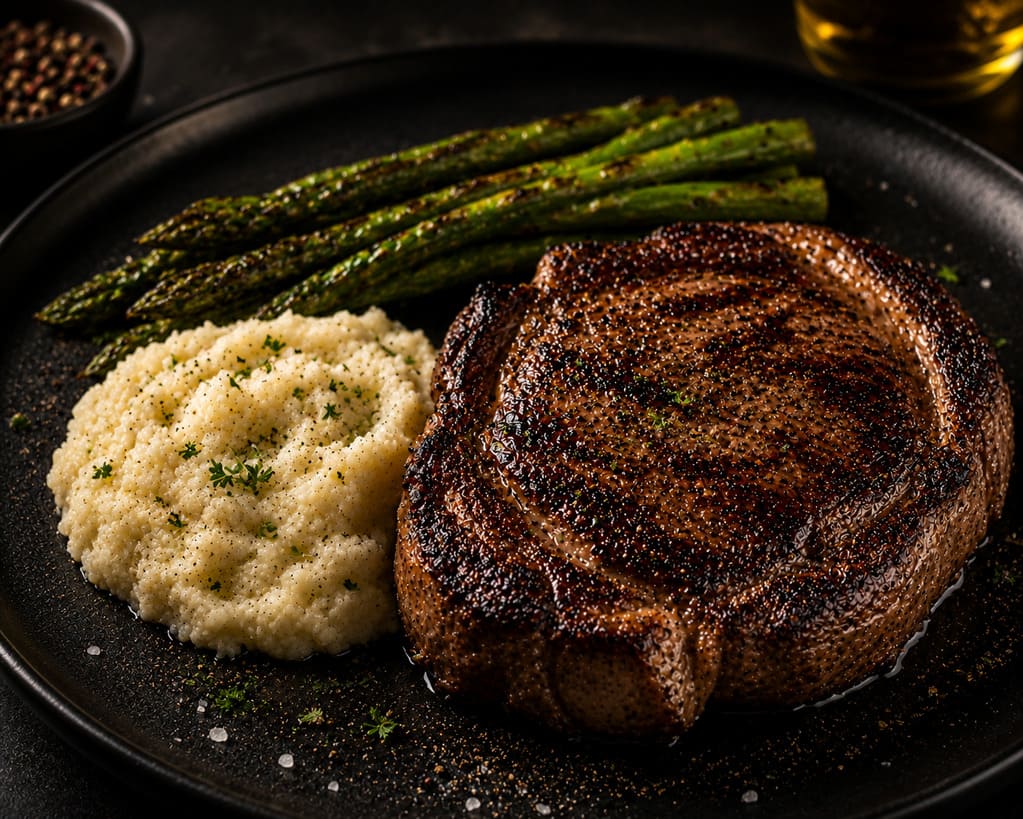
Good Low-Carb Foods
- Beef, lamb and other kosher meats
- Chicken and turkey
- Kosher fish as a separate fish meal
- Eggs
- Low-carb vegetables
- Salads with clean dressings
- Avocado
- Olive oil
- Schmaltz, tallow and pan juices for meat meals
- Cheese, yoghurt and cottage cheese in dairy meals
- Small amounts of berries if tolerated
- Small portions of rice or potatoes if they fit your plan
Foods to Reduce First
- Sugary drinks
- Cakes and biscuits
- White bread and rolls
- Pasta
- Large portions of rice
- Large portions of potatoes
- Crisps and snack foods
- Sweet breakfast cereals
- Sweet sauces and sugary condiments
What Does Low-Carb Mean?
Low-carb simply means reducing sugar and processed carbohydrates while focusing on real food. It does not mean you need to remove every carbohydrate or become extreme overnight. That is the biggest difference between low-carb and stricter approaches like keto, ketovore or carnivore.
Most people begin by cutting down on bread, pasta, sugary drinks, cakes, sweets, cereals and processed snacks. Then they build meals around protein, vegetables, healthy fats and simple ingredients. Over time, the body often starts to feel more stable because meals are less dependent on sugar and starch.
Carb Levels at a Glance
Low-Carb Is a Range
Low-carb is not one exact number. Some people do well around 100 grams of carbs per day. Others feel better closer to 50 grams. Some may need keto-level carbs for stronger appetite control. The right level depends on your body, goals, activity, health situation and food tolerance.
You Do Not Need to Start Extreme
Many people fail because they start too strict too quickly. Low-carb gives you room to adjust. You can reduce the biggest problem foods first, then tighten the plan later if needed.
Usually: 50g to 100g Carbs Daily
Low-carb is usually more flexible than keto. Many people sit somewhere around 50g to 100g of carbs per day, depending on their goals, activity level and how their body responds. This range gives structure without requiring the strictness of keto.
This means low-carb can include small portions of whole-food carbs like rice, potatoes, fruit or higher-carb vegetables, as long as they fit your personal carb target. The goal is not zero carbs. The goal is better control.
For example, one person may do well with a small potato at dinner and still feel good. Another person may find that potato triggers cravings or raises hunger. Low-carb is flexible enough to let you test and learn instead of following one rigid rule forever.
When 100g May Work
A higher low-carb range may work for people who are active, already healthy, not struggling with cravings, or simply trying to reduce processed foods. It can also be a good starting point for families because it allows more normal meals with better choices.
When 50g May Work Better
A lower range may work better if cravings are strong, weight loss is a goal, blood sugar control matters, or higher-carb foods make you hungry. This is where low-carb starts moving closer to keto.
Best for Beginners
Low-carb is often the easiest place to start because it does not demand perfection. You can still eat vegetables, salads, avocado, some fruit, dairy meals, fish meals and normal family food with a few changes. That makes the transition easier and less stressful.
Many beginners do better when they do not try to change every meal at once. Start with breakfast. Then improve lunch. Then work on dinner. Small changes done consistently usually beat strict rules that last only a few days.
Beginner Step 1: Remove Sugary Drinks
This is one of the easiest wins. Sugary drinks add carbohydrates quickly and do not usually keep you full. Replacing them with water, sparkling water, unsweetened tea or coffee can make a big difference.
Beginner Step 2: Build Protein Meals
Every meal should have a clear protein source. This could be chicken, beef, eggs, fish, yoghurt, cottage cheese or cheese in a dairy meal. Protein helps stop low-carb from becoming just salads and snacks.
Beginner Step 3: Reduce Bread and Pasta
Bread and pasta are common daily habits. You do not need to remove them perfectly at first, but reducing them gives low-carb a strong foundation.
Best for General Health and Weight Control
Many people use low-carb to reduce processed food, improve appetite control and manage weight more easily. Protein and healthy fats are more satisfying than sugar and refined carbs, which can help reduce constant snacking.
The goal is not to eat tiny portions. The goal is to eat better meals that keep you fuller for longer. When a meal contains protein, vegetables and fat, many people naturally feel more satisfied than they do after bread, cereal, pasta or sweets.
Low-Carb Helps Reduce Food Noise
Food noise is the constant thinking about snacks, sweets and the next thing to eat. Low-carb can reduce this because meals become more filling and less sugar-driven.
Low-Carb Can Reduce Grazing
Many people snack because their meals are not satisfying enough. A proper low-carb meal can make it easier to go several hours without looking for food.
Low-Carb Can Be Fully Kosher
KosherVore keeps low-carb simple by building meals around clear kosher categories: meat, chicken, fish, eggs, dairy and low-carb sides. This matters because many low-carb and keto recipes online are not written for kosher kitchens.
A lot of online low-carb advice includes bacon, pork, shellfish, cheeseburgers, butter on steak, cream sauces with chicken, or fish and meat served together without thought. That does not work here. Kosher low-carb needs clear separation and clean ingredients.
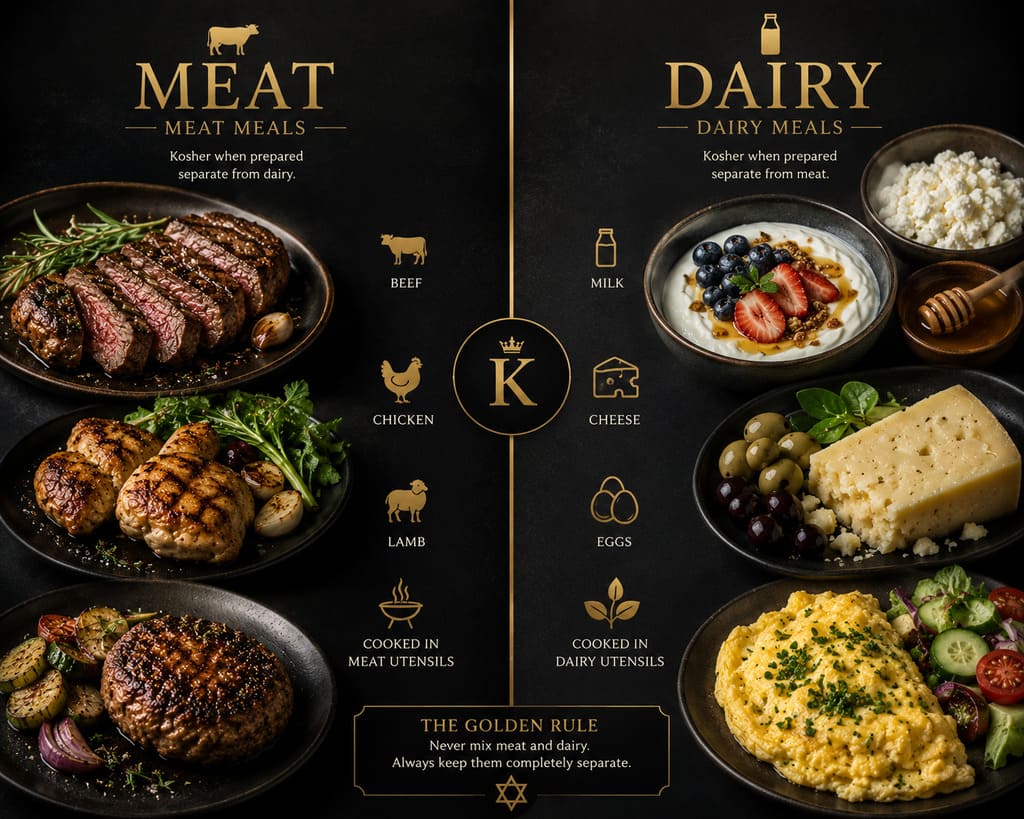
Meat Meals
Meat meals can include beef, lamb, chicken, eggs, vegetables, salads and healthy fats without dairy. Richness comes from pan juices, stock, schmaltz, tallow, roasting, searing and slow cooking.
Dairy Meals
Dairy meals can include eggs, cheese, yoghurt, cottage cheese, avocado, vegetables and low-carb sides. Dairy meals should stay separate from meat meals.
Fish Meals
Fish can work well for low-carb, but it should be kept separate from meat. Salmon, tuna, sardines and white fish can make simple low-carb meals when prepared clearly and carefully.
Clear and Practical
No meat and dairy mixing. No meat and fish mixing. Use kosher ingredients. Keep the structure simple enough that you can trust the meal.
The Key Idea
You do not need perfection to improve your health. That is the most important idea behind low-carb. Many people wait until they can do everything perfectly, and because that day never comes, they never start.
Low-carb is different. You can start with one meal, one swap or one simple rule: reduce sugar and processed carbs. From there, you can decide whether to stay low-carb, move into keto, simplify with ketovore, or use carnivore as a reset.
The KosherVore Path
Start where you are. Improve one level at a time. Low-carb is the flexible entry point. Keto adds structure. Ketovore simplifies further. Carnivore can be used as a reset or elimination tool.
Low-Carb Is Not Keto
Low-carb is broader and more flexible. Keto is a stricter form of low-carb. Ketovore is more meat-first. Carnivore is the most simplified option and can be used as an elimination tool.
- Low-carb: flexible and easy to begin.
- Keto: structured low-carb.
- Ketovore: meat-first simplicity.
- Carnivore: reset and elimination tool.
Understanding this difference prevents confusion. You do not need to call everything keto. You do not need to jump straight into carnivore. Low-carb gives you a foundation that can become stricter only if your body and goals need it.
When Low-Carb Is Enough
Low-carb may be enough if your cravings are lower, your energy is better, your weight is moving in the right direction, and your meals feel sustainable.
When Keto May Be Better
Keto may be better if low-carb is too flexible and you need clearer carb limits, stronger appetite control or more structure.
When Ketovore May Be Better
Ketovore may be better if keto treats, sweeteners, nuts, breads and snacks keep pulling you back into cravings.
Need a Clear Path?
Follow the KosherVore progression from low-carb to keto, ketovore and carnivore. You do not need to start strict. You need to start clearly.
Read the Full PathHow to Build a Low-Carb Plate
A low-carb plate does not need to be complicated. In fact, the more complicated you make it, the harder it becomes to repeat. A simple plate formula works better for most people.
Step 1: Choose Protein
Start with a kosher protein. This could be chicken, beef, lamb, fish, eggs, yoghurt, cottage cheese or cheese depending on whether the meal is meat, fish or dairy.
Step 2: Add Low-Carb Vegetables
Add salad, cucumber, green beans, broccoli, cauliflower, courgette, spinach or other low-carb vegetables if they fit your plan.
Step 3: Add Fat for Satisfaction
Add olive oil, avocado, pan juices, schmaltz, tallow, eggs, cheese or yoghurt depending on the meal type and kosher rules.
Step 4: Decide on Carbs
If you are including rice, potatoes or fruit, keep the portion small and intentional. Do not let it become the centre of the meal.
Low-Carb Breakfast Ideas
Breakfast can be one of the easiest places to begin. Many traditional breakfasts are high in cereal, bread, pastries or sugar. A low-carb breakfast shifts the focus to protein and fat.
Eggs and Avocado
Eggs with avocado make a simple breakfast that is filling and naturally low-carb. Add cucumber or tomato if tolerated.
Greek-Style Yoghurt Bowl
Plain unsweetened Greek-style yoghurt with cinnamon and a small amount of berries can work as a dairy low-carb breakfast.
Leftover Chicken or Beef
Breakfast does not have to look traditional. Leftover chicken, beef or eggs can make a very practical low-carb start.
Tuna and Eggs
Tuna and eggs can be simple and filling, but keep fish meals separate from meat meals according to your kosher practice.
Low-Carb Lunch Ideas
Lunch should be simple enough that you are not tempted to grab bread, pastries or processed convenience foods. The best low-carb lunches are usually built from leftovers or quick proteins.
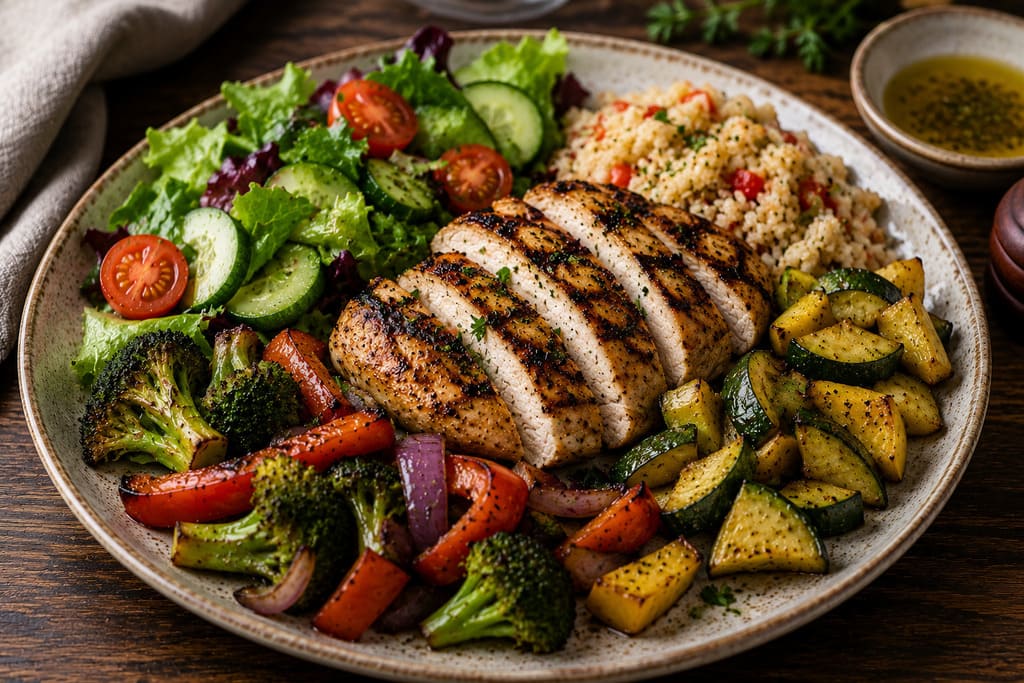
Chicken Salad
Use cooked chicken, lettuce, cucumber, avocado and olive oil dressing. Keep the meal meat-based and avoid dairy dressings if you are eating it as a meat meal.
Beef Bowl
Use leftover beef, cauliflower rice, cucumber, pickles or green vegetables. Add pan juices or olive oil for satisfaction.
Dairy Plate
A dairy lunch can include eggs, cheese, cottage cheese, avocado and low-carb vegetables. Keep it clearly separate from meat.
Fish Lunch
Salmon, tuna or sardines can work well for a lighter low-carb lunch. Keep fish separate from meat meals and choose clean ingredients.
Low-Carb Dinner Ideas
Dinner is where low-carb can feel satisfying and normal. You do not need special products. You need protein, vegetables, fat and flavour.
Chicken Thighs with Green Beans
Chicken thighs are practical because they stay juicy and reheat well. Serve with green beans, cucumber salad or roasted low-carb vegetables.
Ribeye with Cauliflower Mash
Steak with cauliflower mash gives the feeling of a comfort meal while keeping carbs controlled. Use pan juices instead of dairy sauce in a meat meal.
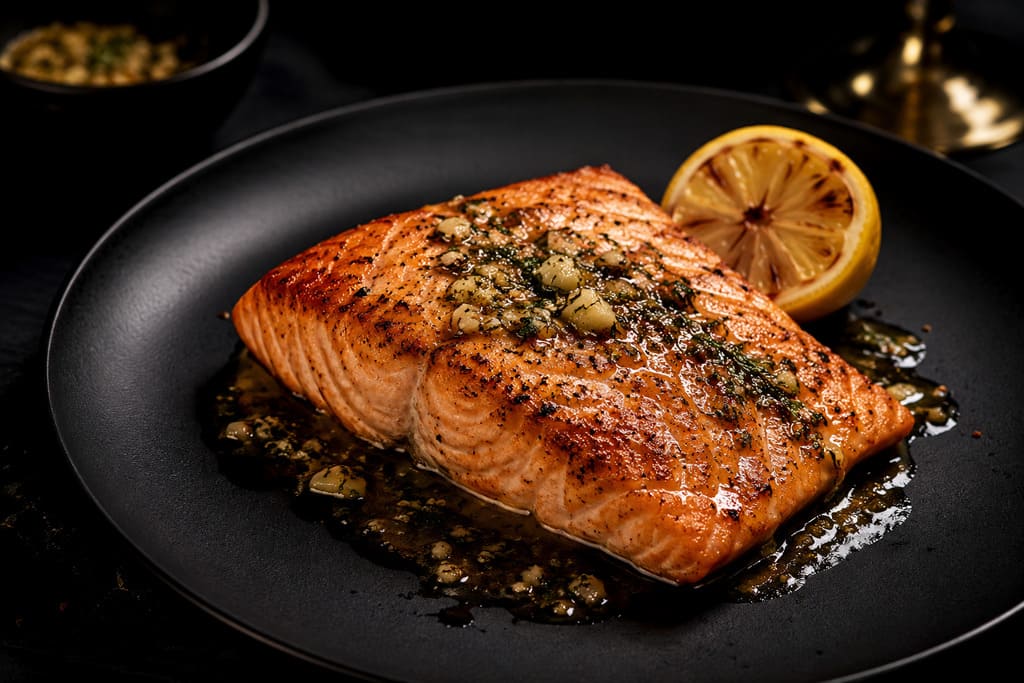
Salmon with Avocado and Herbs
Salmon works well with olive oil, lemon, herbs and avocado. Keep fish meals separate and avoid sugary marinades.
Egg and Cheese Bake
A dairy dinner can include eggs, cheese, spinach, cauliflower or courgette. This is useful when you want a meat-free low-carb meal.
Can You Eat Rice or Potatoes on Low-Carb?
Yes, but portions matter. Low-carb is not automatically zero rice and zero potatoes. It depends on your carb target and how your body responds. Some people can include small portions and still do well. Others find that these foods trigger hunger, cravings or blood sugar swings.
The important point is that rice and potatoes should not be the main part of the meal. If you include them, use a small portion next to protein and vegetables.
Better Way to Use Rice
Use rice as a small side, not a bowl base. Pair it with chicken, beef, eggs or fish meals rather than eating it alone.
Better Way to Use Potatoes
Use a small portion of potato with a protein-heavy meal. Avoid large servings, chips, crisps or fried potato snacks.
When to Avoid Them
If rice or potatoes make you hungry, tired, bloated or craving more food, reduce them or remove them for a while.
Low-Carb for Cravings
Many people start low-carb because cravings feel out of control. Sugar and refined carbs can make eating feel like a cycle: eat something sweet, feel good briefly, crash later, then want more.
Low-carb helps by reducing the foods that drive this cycle. It also encourages meals that keep you full longer. Protein and fat are harder to overeat than sugary snacks.
Practical Craving Rule
Before reaching for a snack, ask whether your last meal had enough protein. Many cravings are stronger when meals are too small, too low in protein or too focused on carbs.
Replace Sweet Snacks Carefully
Low-carb desserts can help occasionally, but if they keep sweet cravings alive, use them less often.
Eat Real Meals First
Do not try to live on bars, shakes and snacks. Low-carb works best when meals are real food.
Low-Carb for Weight Control
Low-carb can support weight control because it removes many easy-to-overeat foods and replaces them with more satisfying meals. This does not mean calories stop mattering. It means appetite can become easier to manage.
When you eat more protein and fewer processed carbs, you may naturally snack less. You may also find that meals keep you full longer. That makes consistency easier.
Do Not Under-Eat Protein
Some beginners build low-carb meals from tiny salads and small portions. That often fails because hunger stays high. Build around protein first.
Do Not Overdo Low-Carb Treats
Low-carb cakes, breads and bars can still slow progress if they make you overeat or snack all day.
Common Beginner Mistakes
Trying to Be Perfect
Perfection makes people quit. Improvement is more useful. Start with the biggest changes and build from there.
Eating Too Little
Low-carb should not mean starving. Eat enough protein and build real meals.
Replacing Every Old Food
You do not need a low-carb version of every bread, cake, biscuit and snack. Sometimes the better answer is a simpler meal.
Ignoring Kosher Rules
Do not copy non-kosher keto or low-carb recipes directly. Keep meat and dairy separate. Keep meat and fish separate. Avoid pork, bacon, shellfish and unclear ingredients.
How to Start Low-Carb This Week
You do not need to wait for the perfect time. Start with a simple week. Choose a few meals you can repeat, remove the biggest sugar sources, and make your kitchen easier to use.
Step 1: Choose Three Proteins
Choose chicken, beef and eggs. Or fish, yoghurt and chicken. Keep it simple. These will become the base of your meals.
Step 2: Choose Three Low-Carb Sides
Choose cucumber, green beans and cauliflower. Or salad, avocado and broccoli. You do not need endless variety at the start.
Step 3: Remove the Obvious Triggers
Remove sugary drinks, sweets, biscuits and snack foods from the daily routine first.
Step 4: Plan Emergency Meals
Keep eggs, tuna, cooked chicken, burger patties, yoghurt or cottage cheese ready so you are not stuck when hungry.

Keep the First Week Simple
Do not try to build a perfect low-carb life in one day. Start with better breakfasts, simple lunches and protein-based dinners.
See Easy Low-Carb MealsWhen to Move Beyond Low-Carb
Low-carb may be enough for you. There is no rule that says everyone must become keto, ketovore or carnivore. But sometimes people need more structure.
Move Toward Keto If
- You want clearer carb limits.
- You still snack often.
- You need stronger appetite control.
- You want to test lower carb levels.
Move Toward Ketovore If
- Keto snacks and desserts keep triggering cravings.
- You prefer meat-first meals.
- You want fewer food decisions.
- You feel better with simpler meals.
Use Carnivore If
- You want a short reset.
- You want to identify food triggers.
- You need maximum simplicity for a period of time.
Helpful KosherVore Guides
Final Thoughts
Low-carb is not zero-carb. It is not a punishment. It is not a race to become the strictest eater in the room. Low-carb is a practical way to reduce sugar and processed carbohydrates while building meals around real food.
For beginners, that is powerful. You can start without perfection. You can learn your body. You can keep meals kosher. You can use low-carb as a long-term plan or as the first step toward keto, ketovore or carnivore.
The KosherVore approach is simple: start where you are, keep everything kosher, build meals around protein, reduce the foods that cause the most trouble, and move only as far as your body and lifestyle need.
Ready to Begin Low-Carb the Kosher Way?
Low-carb is not zero-carb. It is about using carbs wisely and making real food the foundation. Flexible, kosher first and built around real food.