
Ketovore vs Carnivore
A practical kosher guide to the difference between ketovore and carnivore, when to use each one, and how to build meat-first meals without confusion.
Ketovore vs carnivore is one of the most useful comparisons to understand if you want to eat low-carb, meat-first, and fully kosher. Both approaches reduce carbohydrates. Both focus heavily on animal foods. Both can help simplify meals. But they are not exactly the same.
Ketovore is usually the more flexible option. It is meat-first, low-carb, and simple, but it can allow small low-carb extras like avocado, cucumber, herbs, pickles, olives, or a small side when those foods help you stay consistent. Carnivore is stricter. It usually removes plant foods and focuses on animal foods only.
At KosherVore Kitchen, the difference matters because the goal is not just to follow internet diet labels. The goal is to build a kosher food system that works in real life. That means no bacon, no pork, no shellfish, no meat and dairy combinations, and no meat and fish combinations. It also means understanding when to use flexibility and when to use simplicity.
Quick Answer: Ketovore vs Carnivore
Ketovore is meat-first with low-carb flexibility. Carnivore is animal-food focused and usually much stricter. Ketovore often works better as a long-term everyday plan, while carnivore is often best used as a short reset or elimination tool.
What Is Ketovore?
Ketovore is a meat-first version of keto. It keeps carbs very low, prioritises animal foods, and reduces the number of low-carb extras compared with standard keto. The meal usually starts with protein: beef, lamb, chicken, eggs, turkey, or kosher fish when kept separate from meat.
Unlike strict carnivore, ketovore can include small amounts of low-carb foods if they help the meal. That may mean avocado with eggs, cucumber with tuna, pickles with burgers, herbs with salmon, or a small salad next to chicken. These extras are not the centre of the plate. The protein is still the foundation.
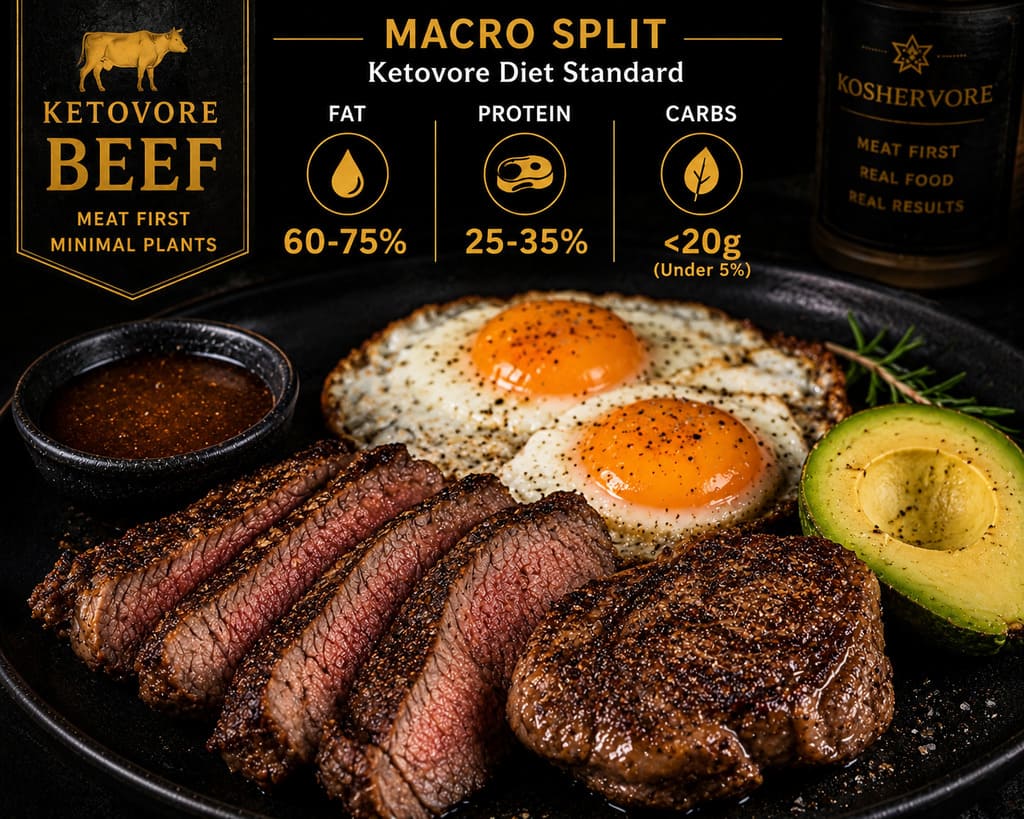
Ketovore Is Best When You Want Flexibility
Ketovore works well for people who want the simplicity of carnivore but do not want to remove every low-carb plant food. It can also be easier for family meals, Shabbat meals, packed lunches, and everyday cooking.
Ketovore Is Still Low-Carb
Ketovore is not a free-for-all. It is not standard low-carb with unlimited snacks. It usually keeps carbs lower than keto and removes many common keto treats, sweeteners, nut flours, and processed products.
What Is Carnivore?
Carnivore is the stricter approach. It focuses on animal foods and usually removes plant foods completely, at least during the strict phase. A kosher carnivore plan may include beef, lamb, chicken, eggs if tolerated, broth, salt, and sometimes kosher fish as a separate fish meal.
Carnivore can be useful because it removes most food noise. When you remove sugar, grains, nuts, sweeteners, vegetables, fruit, keto treats, and processed low-carb products, it becomes easier to notice what your body is doing. For that reason, KosherVore often treats carnivore as an elimination tool or reset.
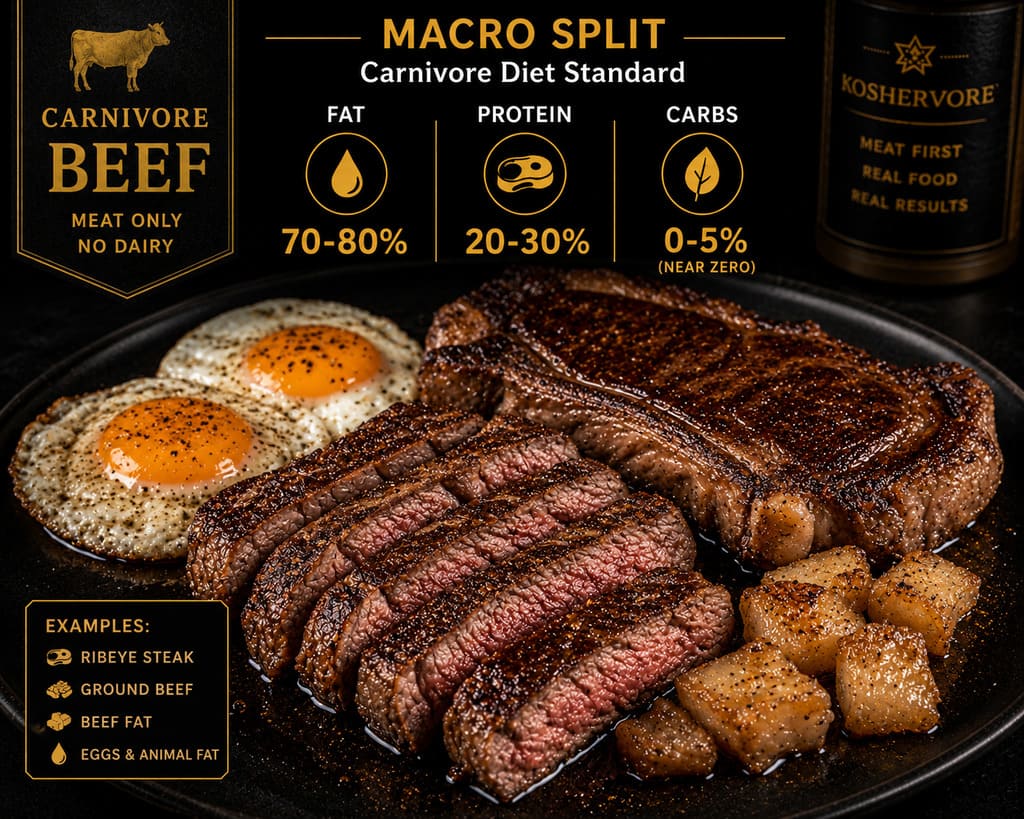
Carnivore Is Best When You Need a Reset
Carnivore can be helpful if you feel stuck, overwhelmed, constantly hungry, or unsure which foods affect you. By simplifying meals, you remove many variables. Then, if you choose to reintroduce foods later, you can test them one at a time.
Carnivore Is Not the Only Answer
Some people feel best staying very close to carnivore. Others use it for a short period and then return to ketovore or keto. Both approaches can be valid. The question is not which label is more impressive. The question is which structure helps you eat well, feel better, and stay consistent.
Ketovore vs Carnivore: The Main Differences
The easiest way to understand ketovore vs carnivore is to compare food flexibility. Ketovore gives you a little room. Carnivore removes almost everything except animal foods.
Simple Comparison
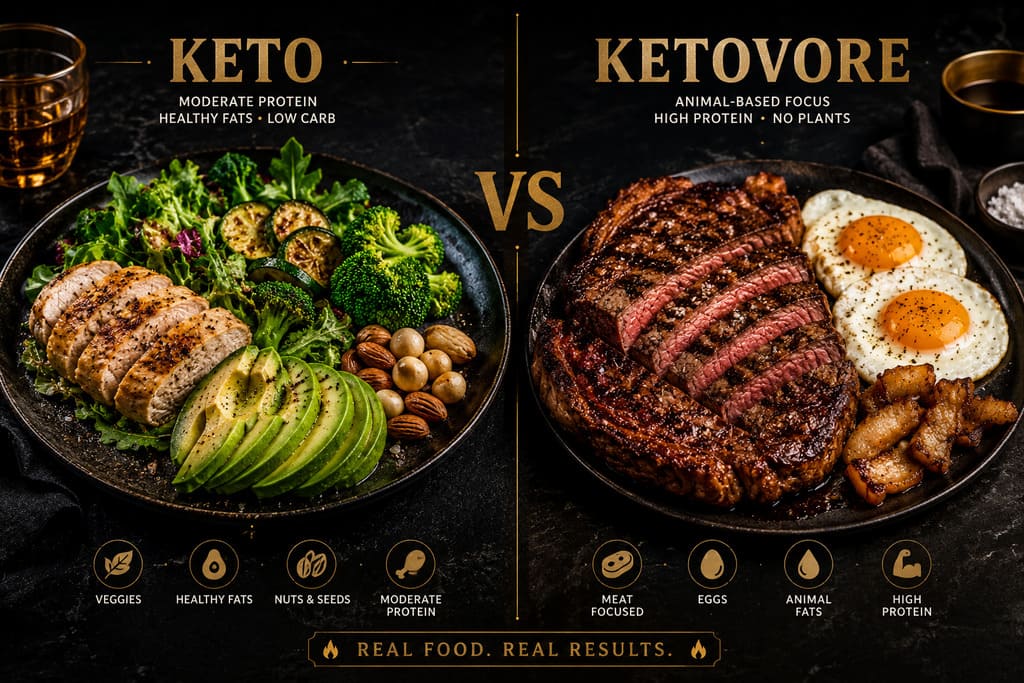
- Ketovore: meat-first, very low-carb, allows small low-carb extras.
- Carnivore: animal-food focused, stricter, often used as a reset.
- Ketovore goal: long-term simplicity with flexibility.
- Carnivore goal: maximum simplicity and elimination.
Carb Difference
Ketovore usually allows a small amount of carbohydrates from low-carb foods. Some people aim around 10 to 20 grams per day. Carnivore is usually close to zero-carb because plant foods are removed.
Food Variety Difference
Ketovore gives more variety. Carnivore gives fewer choices. Fewer choices can be helpful if you struggle with cravings, but too much restriction can also feel difficult for some people. That is why the right choice depends on your goal.
Long-Term Practicality Difference
Many people find ketovore easier long term because it allows careful flexibility. Carnivore can be powerful, but it is stricter. Some people use carnivore for 7, 14, or 30 days, then move back to ketovore with better food awareness.
New to KosherVore?
Start with the full KosherVore progression: low-carb, keto, ketovore, then carnivore when you need a reset. You do not need to start with the strictest version.
Why the Kosher Difference Matters
Most keto, ketovore, and carnivore advice online is not written for a kosher kitchen. It often includes bacon, pork, shellfish, cheeseburgers, butter on steak, cream sauces with meat, or meat and fish mixed without thought. That does not work for KosherVore.
A kosher meat-first plan must be clear. Meat meals stay meat. Dairy meals stay dairy. Fish is kept separate from meat. Ingredients must be kosher. The goal is not to copy non-kosher recipes and hope they work. The goal is to build a proper kosher structure from the beginning.
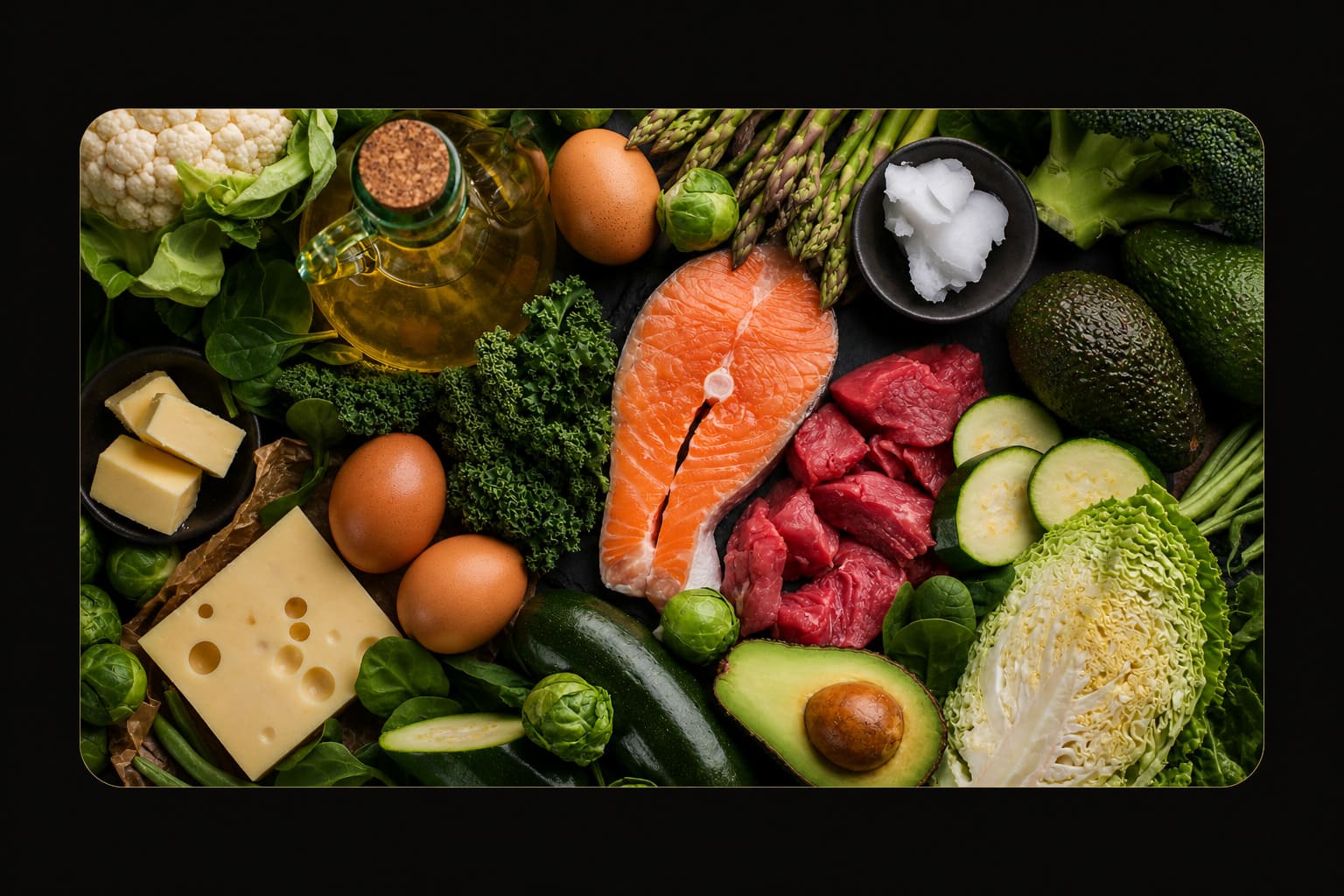
Ketovore in a Kosher Kitchen
Ketovore works well in a kosher kitchen because it does not depend on dairy-heavy meat meals. You can create richness with stock, pan juices, schmaltz, tallow, rendered fat, roasting, searing, and slow cooking.
Carnivore in a Kosher Kitchen
Carnivore can also be kosher, but it requires careful separation. Beef, lamb, chicken, eggs, and broth can form the base. Kosher fish may be used as a separate meal if you include fish, but it should not be mixed with meat.
When Ketovore Works Better
Ketovore works better when you want structure without feeling trapped. It is especially useful if you want to eat meat-first but still want some flexibility for everyday life.
Choose Ketovore If You Want More Variety
If you enjoy avocado, cucumber, pickles, olives, herbs, lemon, or small low-carb sides, ketovore may feel more sustainable than carnivore. You still keep the meal simple, but you do not remove every non-animal food.
Choose Ketovore If You Are Cooking for a Family
Family meals can be easier with ketovore. You can make chicken thighs, burgers, steak, or salmon, then add low-carb sides for yourself and regular sides for others if needed.
Choose Ketovore If Carnivore Feels Too Strict
Some people do well on carnivore for a short reset but find it too strict long term. Ketovore gives a middle path. You keep the benefits of meat-first eating while adding just enough flexibility to stay consistent.
When Carnivore Works Better
Carnivore works better when you need maximum simplicity. It can be helpful if too many choices lead to snacking, cravings, or confusion.
Choose Carnivore If You Want an Elimination Reset
If you are trying to figure out which foods trigger cravings, bloating, joint discomfort, skin reactions, or energy crashes, carnivore can reduce variables. Then you can reintroduce foods after carnivore one at a time.
Choose Carnivore If Keto Treats Trigger Cravings
Many people struggle with low-carb desserts, bars, sweeteners, nut flours, and keto breads. Even when the carb count is low, these foods can keep cravings alive. Carnivore removes them completely for a period of time.
Choose Carnivore If You Need Fewer Decisions
Carnivore can be mentally easier because the list is short. Beef, lamb, chicken, eggs if tolerated, broth, salt, and simple fats. That simplicity can be powerful when food has become too complicated.
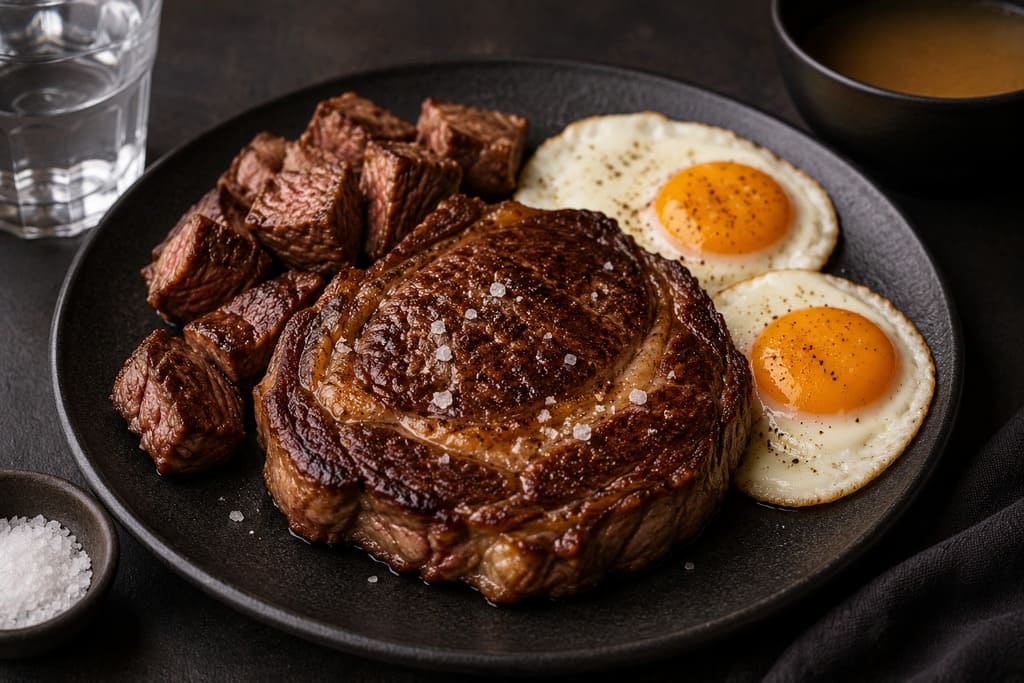
Ketovore Meal Examples
Ketovore meals are meat-first but not always meat-only. The protein stays central, and any extras stay small and intentional.
Ketovore Breakfast
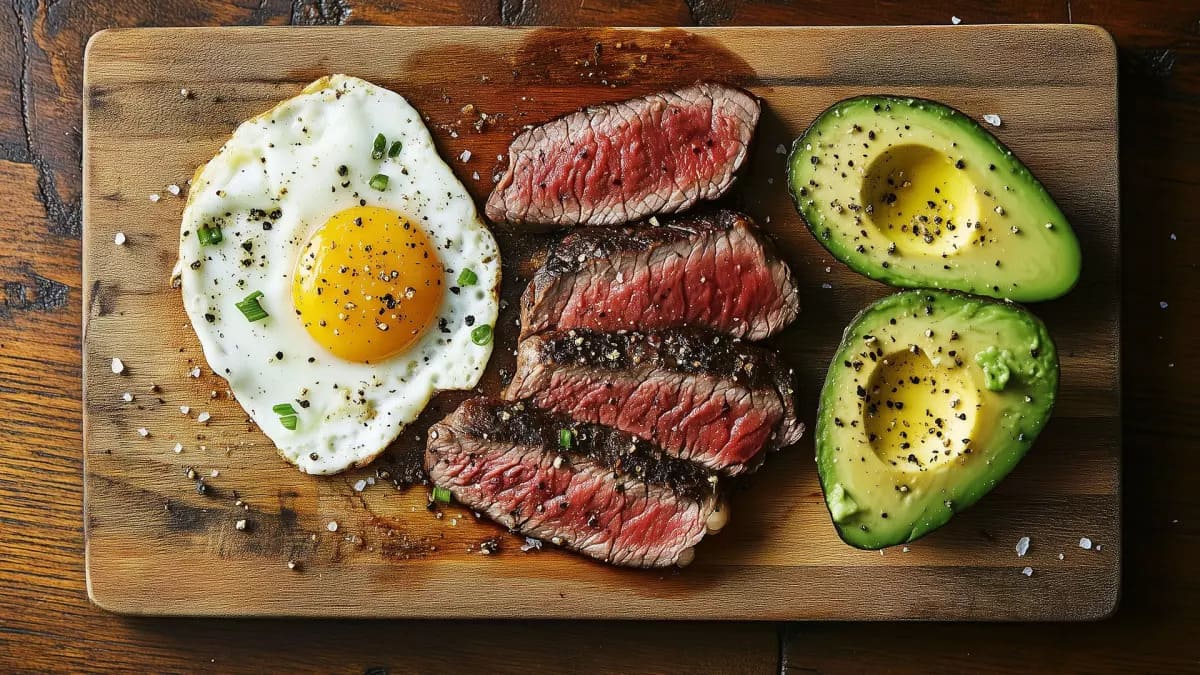
Steak and eggs, burger patties with eggs, leftover chicken thighs, or ground beef cooked in a skillet can all work well. If you want flexibility, add avocado or cucumber.
Ketovore Lunch
Sliced steak, chicken thighs, tuna with eggs, salmon with herbs, or beef patties with pickles can make lunch simple. The goal is to avoid emergency snacking by having protein ready.
Ketovore Dinner
Ribeye with pan jus, lamb chops with stock reduction, roasted chicken with schmaltz, or salmon with olive oil can all work. You do not need bread, rice, pasta, or dairy-heavy sauces to make dinner feel satisfying.
Carnivore Meal Examples
Carnivore meals are stricter and more repetitive by design. That is not a weakness. Repetition is often what makes carnivore useful as a reset.
Carnivore Breakfast
Eggs with beef patties, leftover steak, or chicken broth can work if eggs are tolerated. If you are testing egg tolerance, keep eggs out during the strict phase and reintroduce them later.
Carnivore Lunch
Beef patties, roast chicken, brisket, lamb, or leftover steak can make lunch simple. Add salt and pan juices if needed. Keep sauces and extras out during a strict reset.
Carnivore Dinner
Steak, lamb chops, slow-cooked beef, chicken thighs, or broth-based meals can work well. The focus is animal foods, salt, and enough natural fat for satisfaction.
Ketovore vs Carnivore for Weight Loss
Both ketovore and carnivore can help with weight loss because they remove many foods that are easy to overeat. Meat, eggs, chicken, fish, and broth are usually more filling than snack foods, desserts, bread, pasta, and low-carb treats.
Ketovore may be easier to maintain because it allows some flexibility. Carnivore may be useful if you need a stricter reset because cravings are too strong or food choices have become too loose.
Best Fat-Loss Starting Point
For most people, the best starting point is not extreme restriction. Start with protein-first meals, reduce carbs, remove snacks, and keep meals simple. If ketovore is working, you may not need to go stricter. If cravings remain strong, a carnivore reset may help.
Ketovore vs Carnivore for Cravings
Carnivore may calm cravings faster for some people because it removes sweet flavours, snacks, and low-carb substitutes. Ketovore can also reduce cravings if you keep meals meat-first and avoid turning the plan into keto desserts and snack foods.
The biggest mistake is using ketovore as an excuse to eat endless low-carb extras. Ketovore works because it simplifies. If the extras bring cravings back, they are not helping.
Practical Rule
If a low-carb food makes you want more food, treat it carefully. It may be low-carb on paper but not helpful in real life.
How to Move From Ketovore to Carnivore
Moving from ketovore to carnivore is simple. Remove the extras. Keep the animal foods. Instead of steak, eggs, and avocado, eat steak and eggs. Instead of chicken thighs with cucumber, eat chicken thighs with salt and pan juices. Instead of salmon with salad, eat salmon as a separate fish meal or remove fish during a stricter reset.
Remove These First
- Low-carb snacks
- Sweeteners
- Keto desserts
- Nuts and nut flours
- Low-carb breads
- Vegetables and salads
- Avocado, olives, and pickles if doing a strict reset
Keep These Simple
- Beef
- Lamb
- Chicken
- Eggs if tolerated
- Broth or stock
- Salt
- Schmaltz, tallow, or pan juices for meat meals
How to Move From Carnivore Back to Ketovore
Moving from carnivore back to ketovore should be done slowly. Do not end a carnivore reset with a full weekend of keto bread, desserts, nuts, dairy, vegetables, and sweeteners. That gives you no useful information.
Instead, add one food at a time. Try avocado for a few days. Then return to baseline. Try cucumber. Then test eggs if you removed them. Then test dairy in a separate dairy meal if you choose to include it. This is how you learn what works.
Need a Reset?
If ketovore has become too flexible, use carnivore as a short reset. If carnivore feels too strict, move back into ketovore with careful reintroduction.
Common Mistakes
Thinking Ketovore Means Unlimited Extras
Ketovore is not normal keto with a different name. It is meat-first. If the plate is mostly snacks, nuts, desserts, and low-carb substitutes, it is no longer serving the purpose.
Using Carnivore as Punishment
Carnivore should not be a punishment after overeating. It should be a tool. Use it calmly, intentionally, and with a clear plan.
Ignoring Kosher Separation
Do not copy non-kosher carnivore or keto recipes without changing them. Keep meat and dairy separate. Keep meat and fish separate. Avoid pork, bacon, shellfish, and unclear ingredients.
Going Too Strict Too Fast
Some people jump straight into carnivore and burn out quickly. If you are new, ketovore may be a better bridge because it gives structure without removing everything at once.
Helpful KosherVore Guides
FAQ: Ketovore vs Carnivore
What is the main difference between ketovore and carnivore?
Ketovore is meat-first with small low-carb extras when they help. Carnivore is stricter and usually focuses on animal foods only.
Is ketovore easier than carnivore?
For many people, yes. Ketovore gives more flexibility while still keeping the meal meat-first. Carnivore gives fewer choices, which can help during a reset but may feel too strict for everyday life.
Can carnivore be kosher?
Yes. Use kosher animal foods, avoid pork, bacon and shellfish, keep meat and dairy separate, and keep meat and fish separate.
Should beginners start with ketovore or carnivore?
Most beginners do better starting with low-carb, keto, or ketovore before trying strict carnivore. Carnivore is useful as a reset, but it is not the only starting point.
Can I move from carnivore back to ketovore?
Yes. Add one food at a time and keep the rest of your meals stable. This helps you see what your body tolerates.
Final Thoughts: Which One Should You Choose?
Ketovore vs carnivore is not about choosing the “best” label. It is about choosing the right tool. Ketovore is usually better for everyday flexibility. Carnivore is usually better for a strict reset or elimination phase. Both can fit inside a kosher kitchen when the rules are clear.
If you are new, start with the easiest level you can repeat. Build meals around kosher protein. Keep carbs low. Use fat for flavour and satisfaction. Avoid non-kosher shortcuts. If you need more simplicity, move toward carnivore. If carnivore feels too strict, move back into ketovore carefully.
The KosherVore approach is simple: low-carb to keto, keto to ketovore, ketovore to carnivore when needed, and back again when your body and real life call for flexibility.
Ready to Find Your Best Kosher Low-Carb Level?
Start with meat-first meals, keep everything kosher, and choose the level that helps you stay consistent without confusion.