
Best Foods For Ketovore
Ketovore works best when food stays simple: meat first, enough fat, fewer extras, and fully kosher.
The best foods for ketovore are simple, satisfying, meat-first foods that make low-carb eating easier to repeat. Ketovore is not about chasing every keto product, recreating every high-carb food, or building complicated meals around snacks and substitutes. It is about putting protein at the centre, using fat for satisfaction, keeping extras small, and staying fully kosher.
For KosherVore Kitchen, ketovore means meat-first eating within a kosher framework. That means no bacon, no pork, no shellfish, no meat and dairy mixing, and no meat and fish mixing. A ketovore meal should be clear. A meat meal stays meat. A dairy meal stays dairy. A fish meal is kept separate from meat. This simple structure removes confusion and makes the plan easier to live with.
This guide explains the best foods for ketovore eating, how to build a kosher ketovore plate, which foods to prioritise, which foods to limit, and how to keep meals practical for real life. It also gives you shopping ideas, meal examples, common mistakes, troubleshooting advice, and links to the deeper KosherVore guides that support this way of eating.
The Simple Ketovore Rule
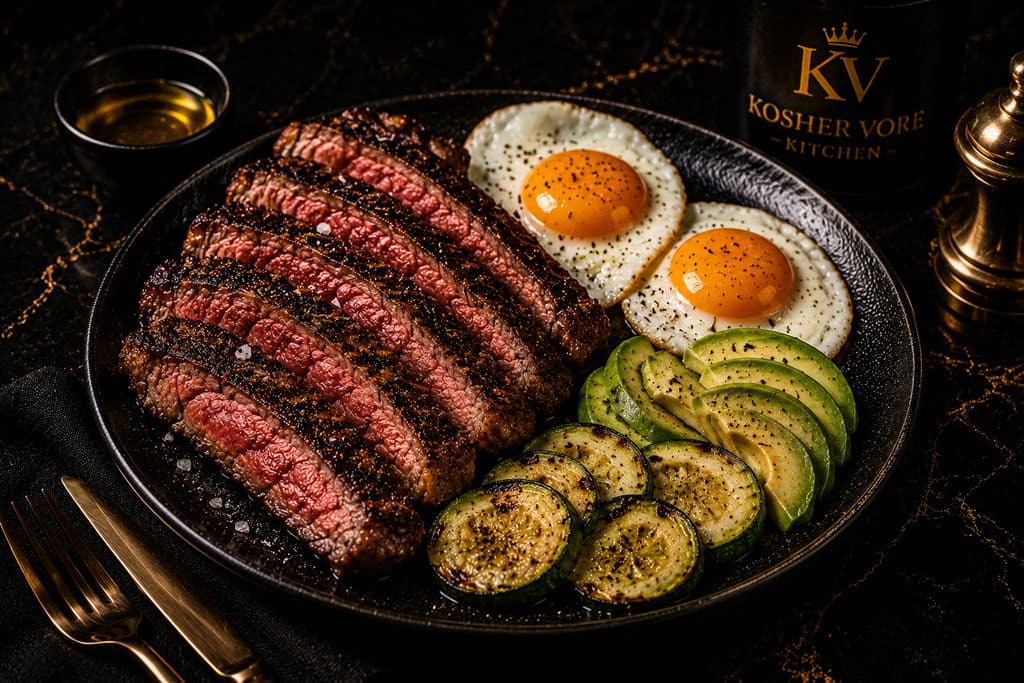
Start with protein. Add fat for flavour and satisfaction. Keep extras small and intentional. Keep every meal fully kosher.
What Is Ketovore?
Ketovore sits between keto and carnivore. It is stricter than standard keto but more flexible than carnivore. The easiest way to understand it is this: ketovore is meat-first eating with fewer ingredients.
Standard keto often allows a wide range of low-carb foods. That can include keto breads, nut flours, sweeteners, desserts, bars, shakes, sauces, and packaged snacks. These foods may technically fit the carb count, but they can also keep cravings alive and make the plan feel complicated.
Carnivore removes almost all plant foods and focuses on animal foods only. That can be useful as an elimination tool or reset, but not everyone wants or needs to stay that strict long term. Ketovore gives a middle path. It keeps meals centred on animal foods while allowing small low-carb extras when they help.
Ketovore In Plain English
Ketovore means the plate starts with meat, eggs, fish, chicken, lamb, or another strong protein source. Fat is used for satisfaction. Extras like avocado, cucumber, zucchini, pickles, or low-carb vegetables may be used lightly. Snacks, sweeteners, nut flours, and processed keto substitutes stay limited.
The KosherVore Difference
At KosherVore Kitchen, ketovore is not copied from non-kosher keto or carnivore content. It is adapted to a kosher kitchen from the beginning. That means it works without bacon, pork, shellfish, cheeseburgers, butter on steak, cream sauces with meat, or meat and fish combinations.
Ketovore vs Keto vs Carnivore
Understanding the difference between keto, ketovore, and carnivore helps you choose foods with less confusion.
| Approach | Main Focus | Food Style | Best For |
|---|---|---|---|
| Keto | Low carbohydrates and higher fat | Meat, fish, eggs, dairy, vegetables, nuts, fats, and keto substitutes | People who want structured low-carb eating with flexibility |
| Ketovore | Meat-first low-carb simplicity | Animal foods first, small low-carb extras when useful | People who want fewer decisions, fewer cravings, and simpler meals |
| Carnivore | Animal foods only or almost only | Meat, eggs if tolerated, fish if included, and animal fats | People using a stricter reset or elimination tool |
Why Ketovore Feels Easier For Many People
Ketovore removes much of the noise from keto. Instead of asking whether every dessert, bar, flour, wrap, sauce, or sweetener fits your macros, you return to a simpler question: where is the protein? Once that is clear, the meal becomes easier to build.
Why Ketovore Is Not Carnivore
Ketovore can still include small extras. Avocado, cucumber, zucchini, pickles, herbs, eggs, dairy meals, and kosher fish can all fit depending on your body and your goals. Carnivore is stricter. Ketovore is meat-first, not always meat-only.
Why Food Simplicity Matters
One of the biggest reasons people move from keto to ketovore is that keto can become too complicated. The food list may be low-carb, but the eating pattern can still become snack-heavy, sweet-heavy, or product-heavy.
Ketovore simplifies the decision. The meal begins with real food. Beef, lamb, chicken, eggs, fish, or another clear protein comes first. Fat is added through cooking, pan juices, egg yolks, schmaltz, rendered fat, olive oil, avocado, or dairy in a separate dairy meal. Extras are optional, not the centre of the plate.
Fewer Decisions
Many people do better when they reduce food decisions. If every meal requires a recipe, a substitute, a sweetener, and a macro calculation, the plan becomes tiring. Ketovore makes repeatable meals normal.
Fewer Cravings
For some people, sweet keto foods keep the desire for sweet food alive. Ketovore often works better because it moves the focus away from dessert-style eating and back toward satisfying meals.
More Satisfaction
Protein and fat together can make meals deeply satisfying. A steak, burger patties, chicken thighs, eggs, or salmon may keep you full longer than a plate built around snacks and substitutes.
The Ketovore Food Hierarchy
A food hierarchy helps you decide what belongs at the centre of the plate and what should stay optional.
Level 1: Main Foods
These are the foods that form the foundation: beef, lamb, chicken, eggs, kosher fish, and simple animal fats. Most ketovore meals should be built around these.
Level 2: Supporting Foods
These foods can help when used intentionally: avocado, cucumber, zucchini, small salads, pickles, herbs, spices, olive oil, and dairy meals kept separate from meat.
Level 3: Occasional Foods
These may fit sometimes but should not become the base of ketovore: nuts, low-carb baked goods, keto breads, keto desserts, sweeteners, and packaged snacks.
Level 4: Foods To Avoid
Sugar, bread, pasta, rice, potatoes, sweet drinks, high-carb snacks, pork, shellfish, meat and dairy combinations, and meat and fish combinations do not belong in a kosher ketovore plan.
Build Every Meal Around the Main Food
Choose the protein first. Then decide what fat and extras are actually needed.
See Ketovore Meal IdeasThe Best Ketovore Foods Start With Protein
Protein is the centre of ketovore eating. This is one of the biggest differences between ketovore and regular keto. Standard keto often focuses heavily on fat and macro ratios, while ketovore tends to begin with the main food on the plate: meat, eggs, fish, chicken, lamb, or another strong protein.
That does not mean fat is unimportant. Fat is still needed for flavour, satisfaction, and energy. But the meal usually starts with protein first. This makes ketovore practical, filling, and much easier to repeat.
Why Protein First Works
Protein helps make meals satisfying. It gives the plate structure. It reduces the need for constant snacking. It also makes shopping and cooking simpler because you can plan meals around the main protein instead of around complicated recipes.
The KosherVore Protein Rule
Choose the protein first, make sure the meal category is clear, then build from there. Is this a meat meal, dairy meal, or fish meal? Once you know that, the rest of the plate becomes easier.
Best Beef Foods For Ketovore
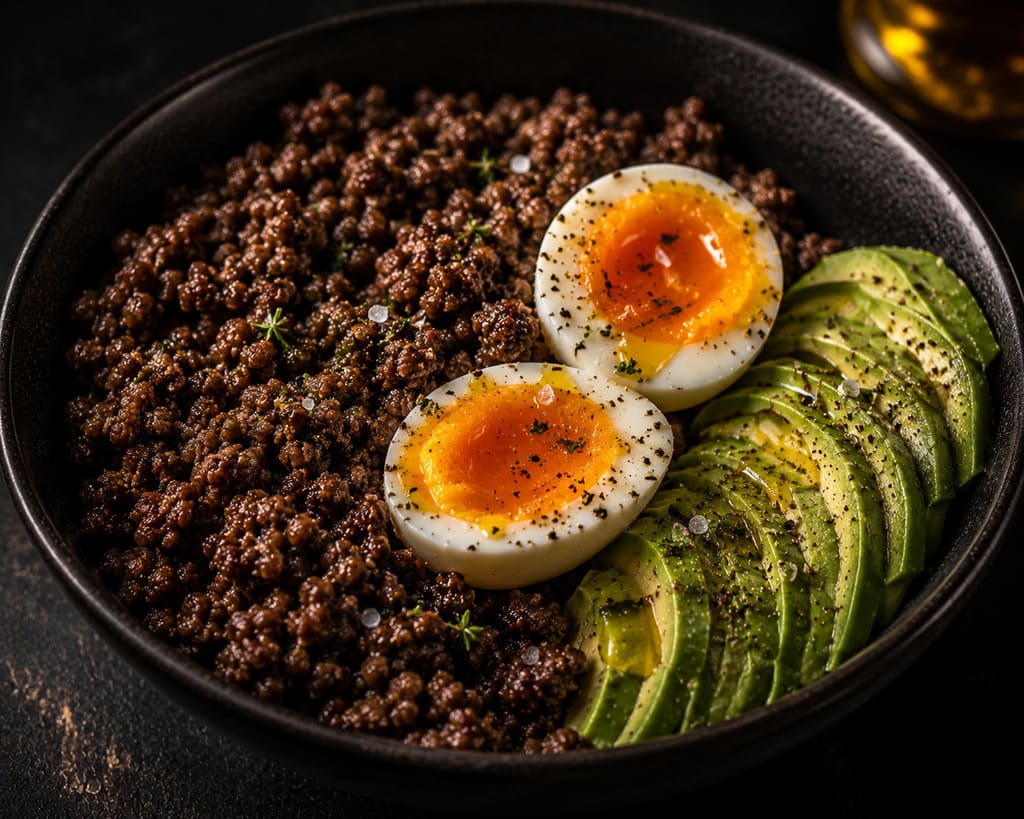
Beef is one of the strongest ketovore foods because it is filling, versatile, and naturally meat-first. It works for quick meals, slow cooking, meal prep, Shabbat meals, and simple everyday plates.
Ribeye and Steak
Ribeye, sirloin, entrecote, minute steak, steak strips, and other kosher steak cuts can all work well. Steak is simple because it does not need much. Salt, heat, pan juices, and enough cooking skill can create a satisfying meal without sauces or dairy.
Ground Beef
Ground beef is one of the easiest ketovore staples. It cooks quickly, stores well, and can be used for bowls, patties, skillet meals, or simple meat plates. Choose plain ground beef without fillers or sugary seasonings.
Brisket and Slow-Cooked Beef
Brisket, chuck roast, short ribs, and slow-cooked beef are excellent for batch cooking. These cuts often become tender and satisfying when cooked slowly with salt, stock, and simple seasoning.
Burgers Without Buns
Burger patties can be a simple ketovore meal when they are made from real meat and served without buns, sugary sauces, or dairy toppings. Eggs, pickles, avocado, or cucumber can be added if they fit your plan.
Best Beef Meal Ideas
- Ribeye with eggs and pan juices
- Ground beef bowl with eggs and avocado
- Burger patties with pickles
- Slow-cooked brisket with cucumber
- Steak strips with zucchini
- Roast beef with broth
Best Lamb Foods For Ketovore
Lamb is rich, satisfying, and naturally suited to meat-first eating. It can be more expensive than chicken or ground beef, but it adds variety and flavour when you want something different.
Lamb Chops
Lamb chops are simple and satisfying. They usually need very little seasoning and can be served as a clear meat meal with eggs, pan juices, or a small low-carb side.
Lamb Shoulder and Shanks
Slow-cooked lamb shoulder or shanks are useful for meal prep and Shabbat meals. They become tender, rich, and filling without needing dairy-based sauces.
Lamb Mince
Lamb mince can be used for patties, bowls, or simple skillet meals. Keep seasonings clean and avoid fillers.
Best Lamb Meal Ideas
- Lamb chops with pan juices
- Lamb patties with eggs
- Slow-cooked lamb shoulder
- Lamb mince bowl with cucumber
- Lamb shanks with broth
Best Chicken Foods For Ketovore
Chicken is practical, affordable, and easy to use in real life. The key is to choose cuts that stay satisfying. Very lean chicken breast can work, but many people find thighs, wings, drumsticks, and chicken skin more filling.
Chicken Thighs
Chicken thighs are one of the best everyday ketovore foods. They are easy to roast, pan-fry, grill, or cook in bulk. The extra fat helps them stay satisfying.
Drumsticks and Wings
Drumsticks and wings are simple and repeatable. Watch sauces carefully because many contain sugar, starch, seed oils, or unclear ingredients.
Roast Chicken
Roast chicken is useful for family meals and leftovers. It can become several meals across the week when paired with eggs, broth, cucumber, avocado, or a small low-carb side.
Chicken Soup and Broth
Chicken soup can fit ketovore when kept simple. Use chicken, bones, salt, and simple vegetables if they fit your level. For stricter days, keep the broth plain.
Best Chicken Meal Ideas
- Roasted chicken thighs with schmaltz
- Chicken wings with salt and simple seasoning
- Chicken soup with eggs
- Roast chicken with cucumber
- Chicken skin and eggs
Best Egg-Based Ketovore Foods
Eggs are one of the most useful foods in ketovore eating. They are simple, protein-rich, satisfying, and easy to use in different meals. They also work well in kosher cooking because they are pareve, which means they can fit into meat meals, dairy meals, or fish meals according to your practice.
Why Eggs Work So Well
Eggs are quick to cook and easy to repeat. They can turn a basic meat plate into a more satisfying meal. They can also help with busy days when you do not have time to cook a full roast or steak.
Simple Egg Meals
- Steak and eggs
- Ground beef and eggs
- Chicken skin and eggs
- Boiled eggs with avocado
- Eggs with tuna in a fish meal
- Cheese omelette in a dairy meal
- Boiled eggs with cucumber
When Eggs May Need Testing
Most people find eggs useful, but not everyone feels best with them. If eggs increase cravings, digestion issues, or discomfort, remove them for a short period and test them later. Ketovore should help you learn your body, not force one food on everyone.
Best Fish Foods For Ketovore
Kosher fish can be a useful part of ketovore, but it must be handled correctly in a kosher kitchen. Fish should be kept separate from meat meals. That means a salmon meal is not served together with beef, lamb, or chicken.
Salmon
Salmon is rich, satisfying, and naturally low in carbs. It works well with olive oil, eggs, avocado, cucumber, or simple greens in a fish meal.
Tuna
Tuna is practical for quick meals. Use it with boiled eggs, cucumber, avocado, olive oil, or simple seasoning. Check labels and avoid sugary sauces or unclear ingredients.
White Fish
White fish can be lighter than salmon and may need added fat for satisfaction. Olive oil, egg yolks, avocado, or a dairy-free sauce can help.
Sardines and Small Fish
When kosher certified and suitable for your standards, sardines and small fish can be nutrient-dense and convenient. They are not for everyone, but they can be useful for quick meals.
Best Fish Meal Ideas
- Salmon with eggs and avocado
- Tuna with boiled eggs and cucumber
- White fish with olive oil and greens
- Salmon patties without fillers
- Fish salad with simple seasoning
Best Fats For Ketovore
Ketovore should not feel like dry diet food. Fat adds flavour, texture, and satisfaction. In kosher cooking, this often means using the fat that naturally comes from the animal foods you are cooking.
Animal Fats
Chicken skin, pan juices, rendered beef fat, lamb fat, and schmaltz can all help make meat-first meals richer without needing dairy.
Egg Yolks
Egg yolks add richness and help make simple meat meals feel more complete. They are especially useful with steak, ground beef, chicken, or fish meals.
Olive Oil
Olive oil can be useful with fish meals, salads, cucumber, avocado, or low-carb vegetables. It is not an animal fat, but it can fit ketovore when used intentionally.
Avocado
Avocado adds fat, texture, and freshness without turning the meal into a high-carb plate. It can be especially useful for people transitioning from keto to ketovore.
Dairy Fats In Dairy Meals
Butter, cheese, cream, and yoghurt can fit into dairy meals, but they should never be used with meat meals. Dairy fats can be helpful for some people and triggering for others.
Protein + Fat + Technique = Richness
You do not need dairy to make meat meals satisfying. Use stock, reduction, pan juices, schmaltz, rendered fat, and good cooking technique.
Dairy Meals On Ketovore
Dairy can fit into ketovore, but in a kosher kitchen it must stay completely separate from meat meals. This is one of the most important differences between KosherVore and many online keto recipes.
Some people do well with cheese, cottage cheese, yoghurt, or cream-based dairy meals. Others find that dairy increases cravings, appetite, or snacking. This is why dairy should be treated as optional rather than required.
Good Dairy Meal Options
- Eggs and cheese
- Cottage cheese and boiled eggs
- Greek yoghurt in small portions
- Cheese omelette with avocado
- Dairy-based egg muffins
- Yoghurt with a small portion of low-carb extras if tolerated
When To Limit Dairy
Limit dairy if it increases cravings, causes overeating, affects digestion, or becomes the centre of the plan. Ketovore is meat-first, not cheese-first. Dairy can support the plan, but it should not replace the main focus.
Keep Dairy Meals Separate
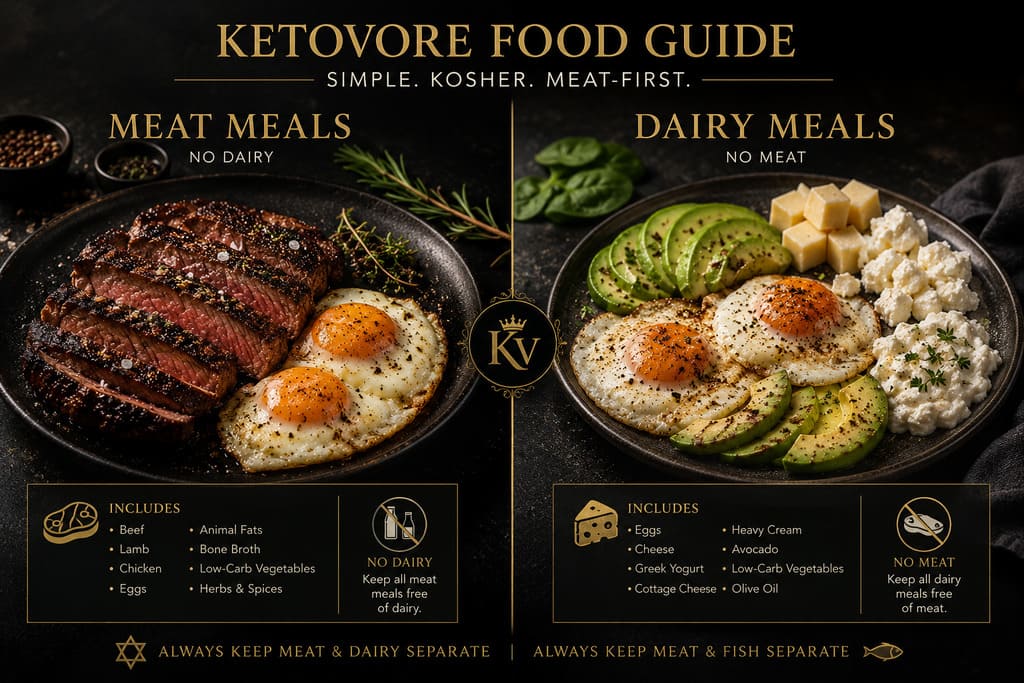
A dairy meal should not include meat. A meat meal should not include dairy. Avoid cheese on burgers, cream sauces with chicken, butter on steak, and dairy desserts after meat meals.
Best Low-Carb Extras For Ketovore
Extras can fit ketovore, but they should stay small and intentional. The more extras you add, the closer the plan moves back toward regular keto. That may be fine for some people, but ketovore works best when the extras support the meal instead of taking it over.
Avocado
Avocado adds fat, texture, and freshness. It works well with eggs, fish meals, chicken, and some meat meals. It is more of a supporting food than a main food.
Cucumber and Pickles
Cucumber and pickles can add crunch and freshness. Choose pickles without added sugar and keep portions reasonable.
Zucchini and Low-Carb Vegetables
Zucchini, leafy greens, asparagus, cauliflower, and small salads can fit when used lightly. If vegetables trigger cravings or digestion issues, reduce them and test again later.
Simple Seasoning
Salt, pepper, garlic, herbs, and simple spices can help meals stay enjoyable. Avoid sugary spice blends, sauces, and marinades with unclear ingredients.
Foods To Avoid On Ketovore
Ketovore is not only about adding the right foods. It is also about removing foods that make appetite, cravings, and consistency harder.
High-Carb Foods
- Bread
- Pasta
- Rice
- Potatoes
- Cereal
- Cakes and biscuits
- Sugary drinks
- Sweets and desserts
Non-Kosher Foods
- Pork
- Bacon
- Shellfish
- Pork rinds
- Non-kosher meat
- Unclear processed ingredients
Kosher Mixing Problems
- Cheese on meat burgers
- Cream sauce with chicken
- Butter on steak
- Dairy dessert after a meat meal
- Meat and fish served together
Foods To Limit On Ketovore
Some foods are not always wrong, but they can make ketovore harder if they become daily habits.
Limit Keto Snacks
Bars, sweets, packaged keto treats, and low-carb desserts can keep cravings alive even if the carbs are low. If you keep wanting more after eating them, they are not helping.
Watch Nut Flours
Almond flour and coconut flour are easy to overuse. They can turn ketovore back into a replacement-food diet built around breads, cakes, and baked goods.
Avoid Sugary Sauces
Many sauces contain hidden sugars, starches, seed oils, or unclear ingredients. Simple pan juices, broth, salt, and herbs are often better.
Use Sweeteners Carefully
Low-carb sweeteners may not raise carbs much, but they can keep the sweet habit alive. If your goal is appetite control, cravings control, or simplicity, reduce sweet flavours for a while.
Kosher Ketovore Rules
The food can be low-carb and still not fit a kosher ketovore plan. Kosher rules come first.
Rule 1: No Pork or Bacon
Many carnivore and keto guides rely heavily on bacon, pork belly, pork rinds, and pork-based ingredients. Those do not belong in KosherVore.
Rule 2: No Shellfish
Shellfish is not kosher. Use kosher fish options instead, and keep fish meals separate from meat meals.
Rule 3: No Meat and Dairy Mixing
Meat meals and dairy meals must stay separate. Ketovore does not need cheeseburgers, butter on steak, or cream sauces with chicken.
Rule 4: No Meat and Fish Mixing
Fish can fit ketovore, but it should be kept separate from meat. A salmon meal and a beef meal are both useful, but they should not be combined.
Rule 5: Keep Ingredients Clear
Processed foods, sauces, marinades, and spice blends should be checked carefully. Ketovore works best with simple ingredients you understand.
Meat Meals, Dairy Meals and Fish Meals Explained
One of the easiest ways to keep ketovore kosher is to decide what kind of meal you are building before you start cooking.
Meat Meals
Meat meals can include beef, lamb, chicken, turkey, eggs according to your practice, animal fats, broth, pan juices, avocado, cucumber, or low-carb vegetables. They should not include dairy.
Dairy Meals
Dairy meals can include eggs, cheese, yoghurt, cottage cheese, cream, butter, avocado, cucumber, and low-carb vegetables. They should not include meat.
Fish Meals
Fish meals can include salmon, tuna, white fish, eggs according to your practice, olive oil, avocado, cucumber, and low-carb vegetables. Fish should be kept separate from meat.
Why This Matters
Clear meal categories reduce confusion. They also make it easier to adapt recipes. If a non-kosher keto recipe uses cheese on meat, you do not need to copy it. Build a meat meal or build a dairy meal, but do not mix them.
How To Build A Ketovore Plate
A ketovore plate does not need to be complicated. Use this simple formula and adjust it based on your hunger, goals, and tolerance.
Ketovore Plate Formula
Protein first → add fat → add optional small extras → keep it kosher → repeat.
Step 1: Choose The Protein
Choose beef, lamb, chicken, eggs, fish, or a dairy protein if it is a dairy meal. This is the centre of the plate.
Step 2: Add Fat For Satisfaction
Use pan juices, schmaltz, rendered fat, egg yolks, olive oil, avocado, or dairy fat in a dairy meal.
Step 3: Add Optional Extras
Add cucumber, avocado, zucchini, pickles, or a small salad if it helps. If you are using ketovore to calm cravings, keep extras very small.
Step 4: Repeat The Meals That Work
Repetition is not failure. It is one of the reasons ketovore works. A few simple meals repeated often can create more consistency than endless variety.
Ketovore Shopping List
A good shopping list makes ketovore much easier. You do not need every food on this list. Choose the foods you can cook, afford, and repeat.
Meat and Poultry
- Ground beef
- Ribeye or steak cuts
- Brisket or chuck roast
- Lamb chops
- Lamb mince
- Chicken thighs
- Chicken wings
- Roast chicken
- Turkey if preferred
Eggs and Fish
- Eggs
- Salmon
- Tuna
- White fish
- Sardines if kosher certified and suitable for you
Fats and Extras
- Schmaltz
- Tallow
- Pan juices
- Olive oil
- Avocado
- Cucumber
- Pickles without added sugar
- Zucchini
- Salt and simple spices
7-Day Ketovore Starter Food Plan
This is not a strict prescription. It is a simple example of how ketovore meals can look when you keep protein first and stay kosher.
Day 1
Eggs with avocado for a simple first meal. Burger patties with pan juices for dinner.
Day 2
Chicken thighs with cucumber. Steak and eggs later in the day.
Day 3
Tuna with boiled eggs and cucumber in a fish meal. Lamb chops with pan juices for dinner.
Day 4
Ground beef bowl with eggs and avocado. Roast chicken with broth.
Day 5
Dairy meal with eggs and cheese if dairy works for you. Later, a separate meat meal with steak or chicken.
Day 6
Salmon with olive oil and cucumber. Burger patties with eggs later.
Day 7
Repeat the meals that worked best. Ketovore gets easier when you stop trying to invent a new menu every day.
Simple Ketovore Meal Ideas
Simple meal ideas are often more useful than complicated recipes. The goal is to build meals you can repeat.
Meat Meal Ideas
- Ribeye with eggs and pan juices
- Ground beef with avocado
- Chicken thighs with schmaltz
- Lamb chops with cucumber
- Burger patties with pickles
- Brisket with broth
Fish Meal Ideas
- Salmon with eggs and avocado
- Tuna with boiled eggs
- White fish with olive oil
- Fish patties without fillers
Dairy Meal Ideas
- Cheese omelette with avocado
- Cottage cheese with boiled eggs
- Greek yoghurt in a small portion
- Eggs with butter in a dairy meal
Best Foods For Cravings
If cravings are a major reason you are trying ketovore, focus on foods that are satisfying and not sweet. Many cravings become worse when the diet keeps recreating dessert flavours.
Best Craving-Control Foods
- Steak
- Ground beef
- Eggs
- Chicken thighs
- Lamb chops
- Salmon
- Broth
Foods That May Keep Cravings Alive
Keto bars, sweeteners, low-carb cakes, nut-flour breads, and dessert-style snacks may fit a carb count but still keep your appetite focused on sweet foods. If cravings are a problem, remove these for a while and see what changes.
Best Foods For Appetite Control
Ketovore often works well for appetite control because it reduces food decisions and focuses on satisfying meals. Protein and fat together can help you feel full longer than snack-based eating.
Build Bigger Real Meals
If you are constantly snacking, your meals may be too small or too low in protein. Build a proper plate first. Then see whether you still need snacks.
Use Fat Intentionally
Fat should help the meal satisfy you. It should not become a separate overeating habit. Use natural fats from meat, egg yolks, pan juices, schmaltz, olive oil, avocado, or dairy fats in dairy meals.
Best Foods For Busy People
Busy people need foods that are quick, repeatable, and hard to mess up. Ketovore is useful because many of the best meals are simple.
Keep These Ready
- Boiled eggs
- Cooked burger patties
- Roast chicken
- Tuna
- Cooked ground beef
- Leftover brisket
- Chicken soup or broth
Use Repetition
Do not make every meal a project. If ground beef and eggs works, repeat it. If tuna and cucumber works, repeat it. If chicken thighs keep you full, cook them in bulk.
Best Foods For Shabbat Meals
Shabbat meals can fit ketovore when you build the table around protein and keep the sides simple. You do not need to eat every high-carb food on the table to take part in the meal.
Good Shabbat Meat Meal Options
- Roast chicken
- Brisket
- Slow-cooked beef
- Lamb shoulder
- Chicken soup
- Eggs if appropriate for the meal
- Cucumber or low-carb sides
Keep It Calm
You do not need to explain your whole eating plan at every table. Choose the foods that fit, skip what does not, and return to your routine at the next meal.
Ketovore Meal Prep
Meal prep makes ketovore easier because the best foods are often simple proteins that can be cooked in batches.
Cook Once, Eat More Than Once
- Make burger patties for several meals.
- Roast a tray of chicken thighs.
- Prepare boiled eggs.
- Cook ground beef for bowls.
- Make broth or soup.
- Slow-cook brisket or lamb.
Keep Emergency Foods
Emergency foods prevent panic eating. Keep tuna, eggs, cooked meat, broth, and simple leftovers available.
Common Ketovore Mistakes
Turning Ketovore Into Snack Keto
If most of your food comes from bars, desserts, breads, and low-carb snacks, you are not getting the simplicity that makes ketovore useful.
Eating Too Little Protein
Ketovore is protein-centred. If you are hungry all the time, look at the main food on the plate first.
Adding Too Many Extras
Avocado, vegetables, pickles, dairy, and sauces can all fit, but if they take over the plate, the plan becomes less meat-first.
Ignoring Kosher Separation
Do not copy non-kosher keto meals without adjusting them. Meat and dairy stay separate. Meat and fish stay separate.
Going Too Strict Too Fast
Some people jump from regular eating to strict carnivore and burn out. Ketovore can be a more realistic middle step.
Troubleshooting Ketovore
If You Are Still Hungry
Increase the quality and amount of protein first. Then check whether your meals include enough satisfying fat.
If You Have Cravings
Remove sweeteners, keto desserts, bars, and nut-flour products for a while. Return to meat, eggs, fish meals, chicken, and simple fats.
If Meals Feel Boring
Use different cuts, cooking methods, and textures. Rotate steak, ground beef, chicken thighs, lamb, eggs, salmon, tuna, and dairy meals if dairy works for you.
If You Feel Socially Restricted
Choose the protein at the meal and skip what does not fit. You do not need to make every meal perfect to stay consistent.
Helpful KosherVore Guides
Final Thoughts
The best foods for ketovore are the foods that make your meals simpler, more satisfying, and easier to repeat. For most people, that means meat first, enough fat, eggs if tolerated, fish meals kept separate, dairy meals kept separate, and small low-carb extras only when they help.
Ketovore is not about perfection. It is about reducing food noise. It helps you move away from constant snacking, sweet replacements, and complicated low-carb products. It gives you a practical way to eat that is more structured than keto but more flexible than carnivore.
Keep it kosher. Keep it simple. Build around protein. Use fat for flavour. Repeat what works. That is the foundation of KosherVore ketovore eating.
Start With Simple Ketovore Foods
Choose one protein, add satisfying fat, keep extras small, and build meals you can repeat.