
KosherVore Guide
How To Keep Carnivore Kosher
A practical guide to eating carnivore while keeping fully kosher, avoiding confusion, and building simple meat-first meals that work in real life.
Keeping carnivore kosher is absolutely possible, but it needs a clear system. Standard carnivore advice often includes foods that do not work in a kosher kitchen, such as bacon, shellfish, non-kosher meats, or meat cooked with dairy. Kosher carnivore needs its own practical approach: animal-based, meat-first, simple, and fully aligned with kosher rules.
The good news is that carnivore does not have to be complicated. At its core, it is about removing most plant foods and focusing on animal foods like beef, lamb, chicken, turkey, eggs, and kosher fish. For KosherVore, carnivore is used as a reset and elimination tool. It can help simplify eating, reduce food noise, and make it easier to notice which foods work well for your body and which foods may trigger cravings, digestion issues, or inflammation.
The key is not to copy every carnivore recipe online. The key is to build your own kosher carnivore framework with foods you can trust, meals you can repeat, and cooking methods that give you enough flavour and satisfaction without breaking kosher boundaries.
The Simple Rule
Kosher carnivore means animal-based eating while keeping all kosher laws intact. No mixing meat and dairy, no mixing meat and fish in the same meal, no pork, no shellfish, and no doubtful ingredients.
What Does Kosher Carnivore Mean?
Kosher carnivore is a meat-first way of eating based on kosher animal foods. It usually focuses on beef, lamb, chicken, turkey, eggs, and permitted fish. Some people include limited dairy in separate dairy meals, while others avoid dairy completely during a strict reset.
This is different from general carnivore content because many popular carnivore meals online are not kosher. Bacon and eggs, cheeseburgers, pork belly, shrimp, and meat cooked in butter are common in non-kosher carnivore spaces. For a kosher kitchen, those are not options.
That does not make kosher carnivore harder. It just means your foundation needs to be cleaner and more intentional. Instead of relying on bacon or cheese for flavour, you build richness with proper browning, salt, stock, reduction, schmaltz, tallow, and well-cooked kosher proteins.
The Main Kosher Rules for Carnivore
If you want to keep carnivore kosher, start with the non-negotiables. These rules protect the integrity of your kitchen and make meal planning much easier.
Use Only Kosher Meat and Poultry
Choose properly certified kosher beef, lamb, chicken, turkey, and other permitted meats. Do not assume meat is kosher just because it is beef or chicken. Kosher slaughter, supervision, and handling matter.
Do Not Mix Meat and Dairy
This is one of the biggest adjustments for people coming from regular carnivore content. Many carnivore recipes use butter, cheese, cream, or sour cream with meat. In a kosher meat meal, those ingredients do not belong.
Instead, use schmaltz, beef tallow, reduced stock, pan drippings, or egg-based techniques to create richness.
Do Not Mix Meat and Fish
Fish can be part of a kosher low-carb lifestyle, but it should be kept separate from meat meals. If you are eating salmon, tuna, sardines, or another kosher fish, serve it as its own meal. Do not combine it with meat on the same plate.
Avoid Doubtful Ingredients
Processed seasonings, sauces, broths, flavourings, and packaged foods can create problems if you do not know what is inside them. For a clean carnivore reset, simple is better. Salt, eggs, meat, poultry, and homemade stock are easier to trust.
Best Foods for Kosher Carnivore
A strong kosher carnivore kitchen does not need a huge ingredient list. In fact, the fewer ingredients you rely on, the easier it becomes to stay consistent.
Beef
Beef is one of the best foundations for kosher carnivore meals. Ribeye, chuck, brisket, short ribs, ground beef, minute steak, and burger patties can all work well. Ground beef is especially useful because it is affordable, flexible, and easy to batch cook.
Lamb
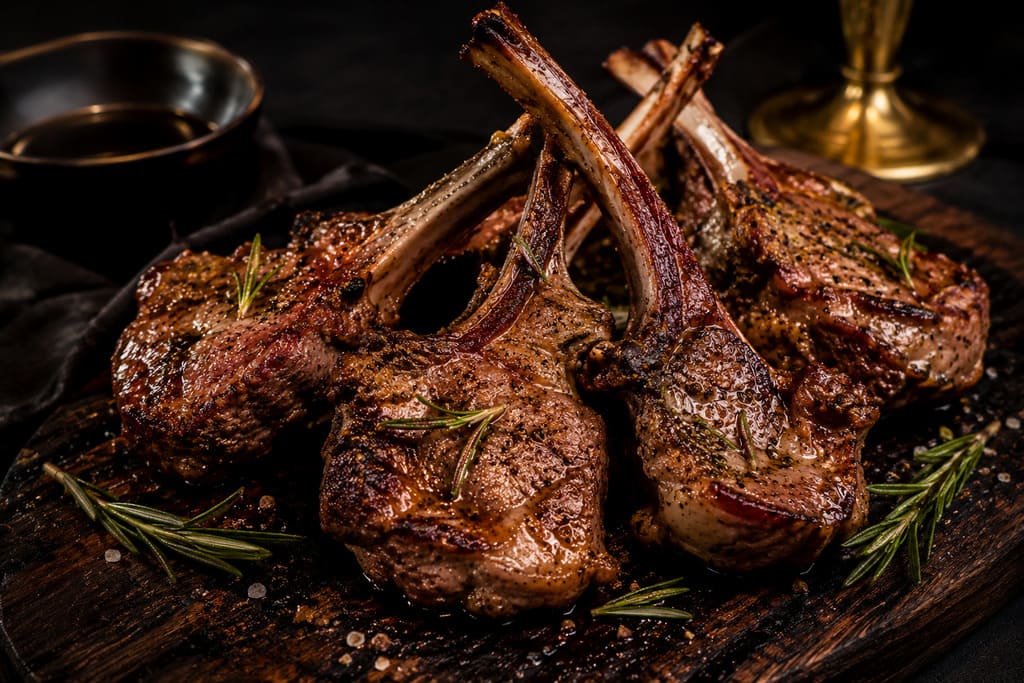
Lamb gives richness and variety. Lamb chops, lamb shoulder, lamb ribs, and ground lamb can make kosher carnivore meals feel more special without needing complicated ingredients.
Chicken and Turkey
Chicken thighs, wings, drumsticks, and turkey patties are practical options. Chicken breast can be used, but it is leaner and often less satisfying unless paired with enough fat or broth.
Eggs
Eggs are one of the most useful kosher carnivore foods. They work for breakfast, quick lunches, sauces, binding, and adding protein to meals. Fried eggs, boiled eggs, scrambled eggs, and egg yolks can all help make meals more complete.
Kosher Fish
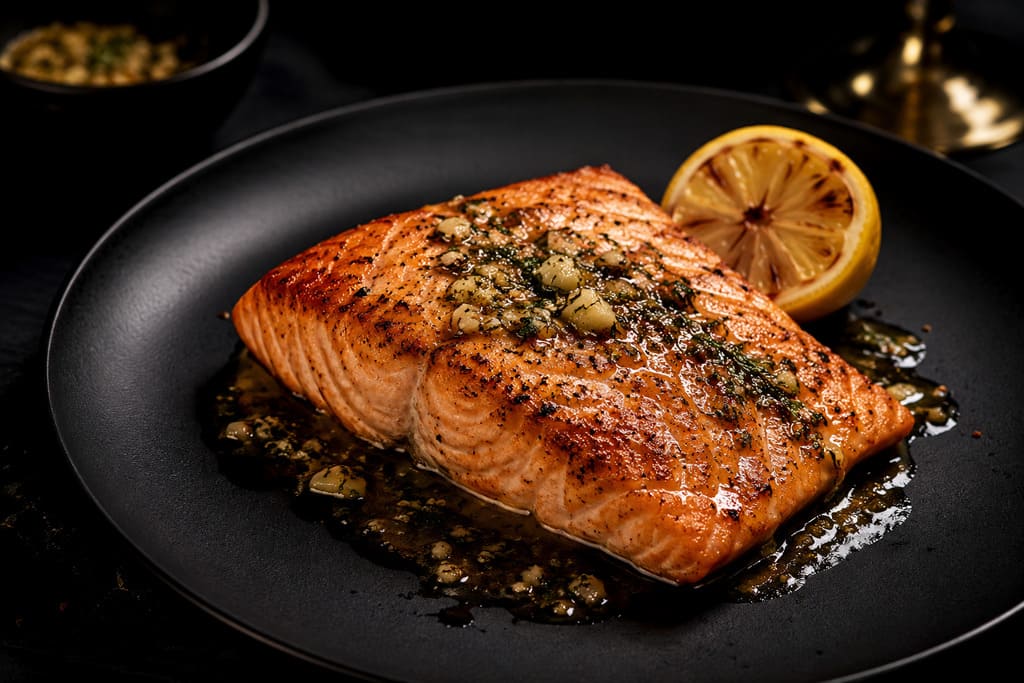
Fish with fins and scales, such as salmon, tuna, sardines, and cod, can fit into a kosher carnivore-style plan. Just keep fish meals separate from meat meals.
How To Add Fat Without Dairy
Many people struggle with kosher carnivore because they think richness has to come from butter, cheese, or cream. It does not. In a kosher meat meal, richness can come from animal fat, stock, and technique.
Use Schmaltz
Schmaltz is rendered chicken fat, and it is one of the best tools in a kosher meat-first kitchen. Use it to fry eggs, reheat meat, cook chicken, or finish a pan sauce.
Use Beef Tallow
Beef tallow is rich, stable, and excellent for cooking meat. It works especially well with burger patties, steak, and ground beef meals.
Use Stock Reduction
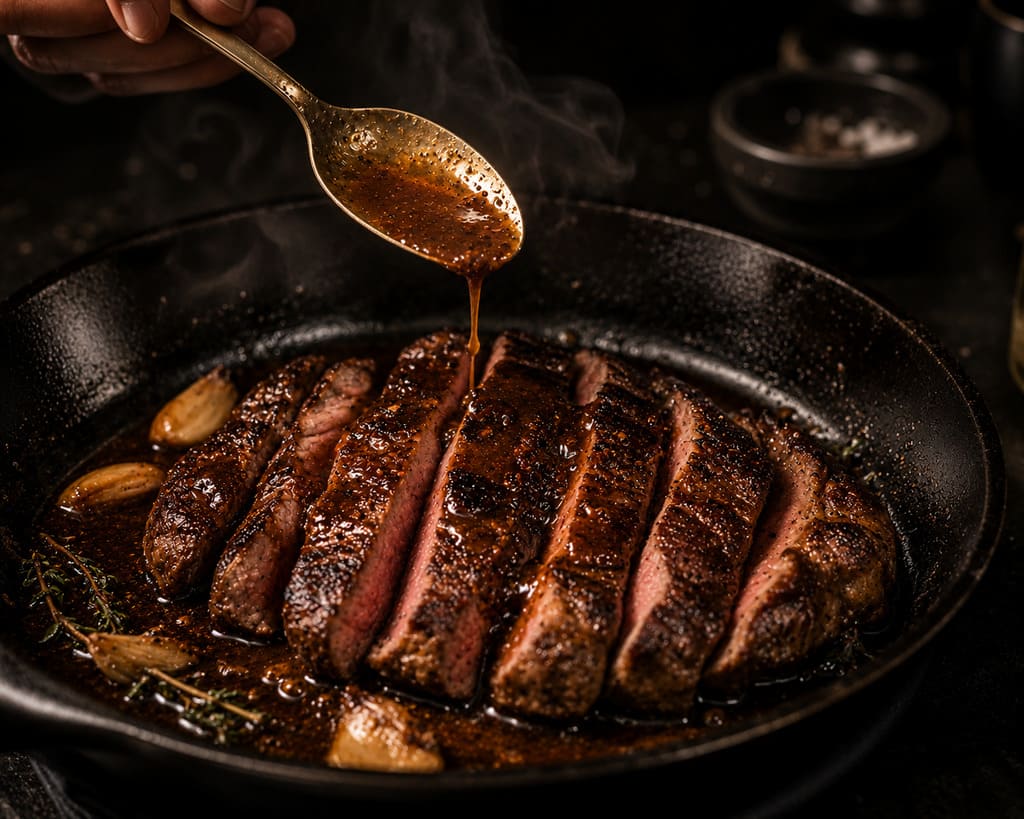
A good stock can replace many dairy sauces. Add stock to a hot pan, scrape up the browned bits, and reduce it until glossy. Add a little fat at the end and you have a rich kosher pan sauce.
Build Richness the KosherVore Way
Protein plus fat plus technique equals richness. You do not need dairy in meat meals to make food satisfying.
Simple Kosher Carnivore Meal Ideas
The best kosher carnivore meals are simple and repeatable. You do not need a different recipe every day. You need meals that are easy to cook, easy to reheat, and satisfying enough to keep you away from snacks.
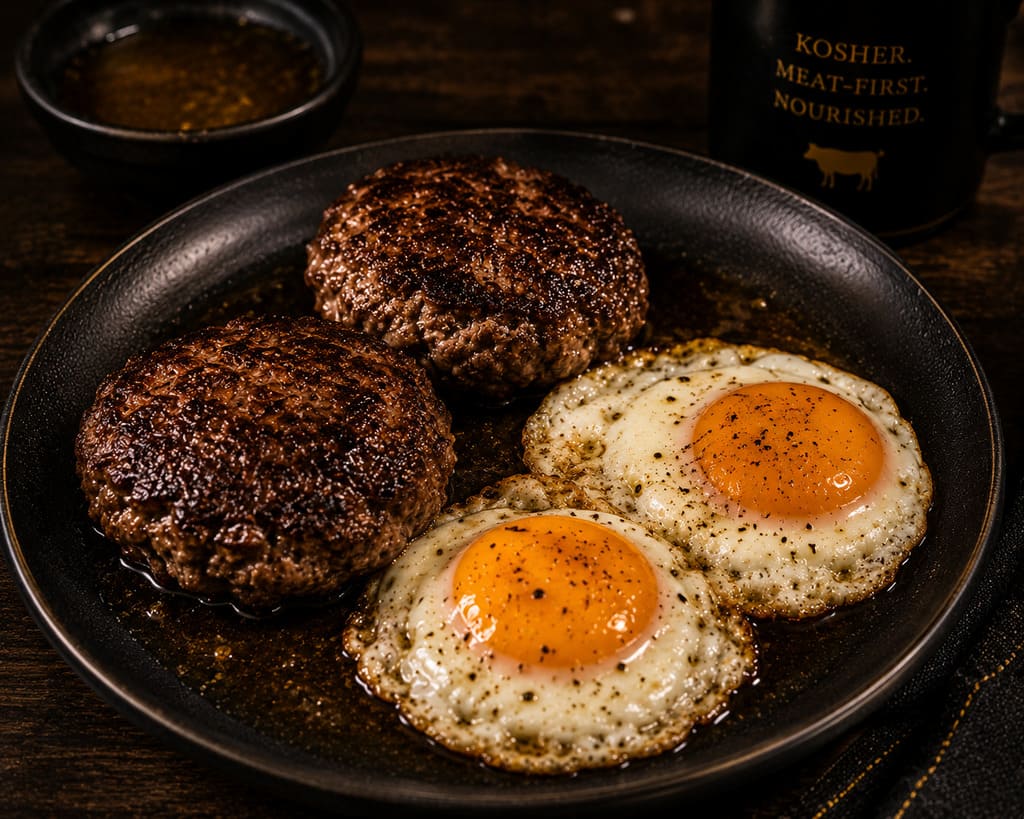
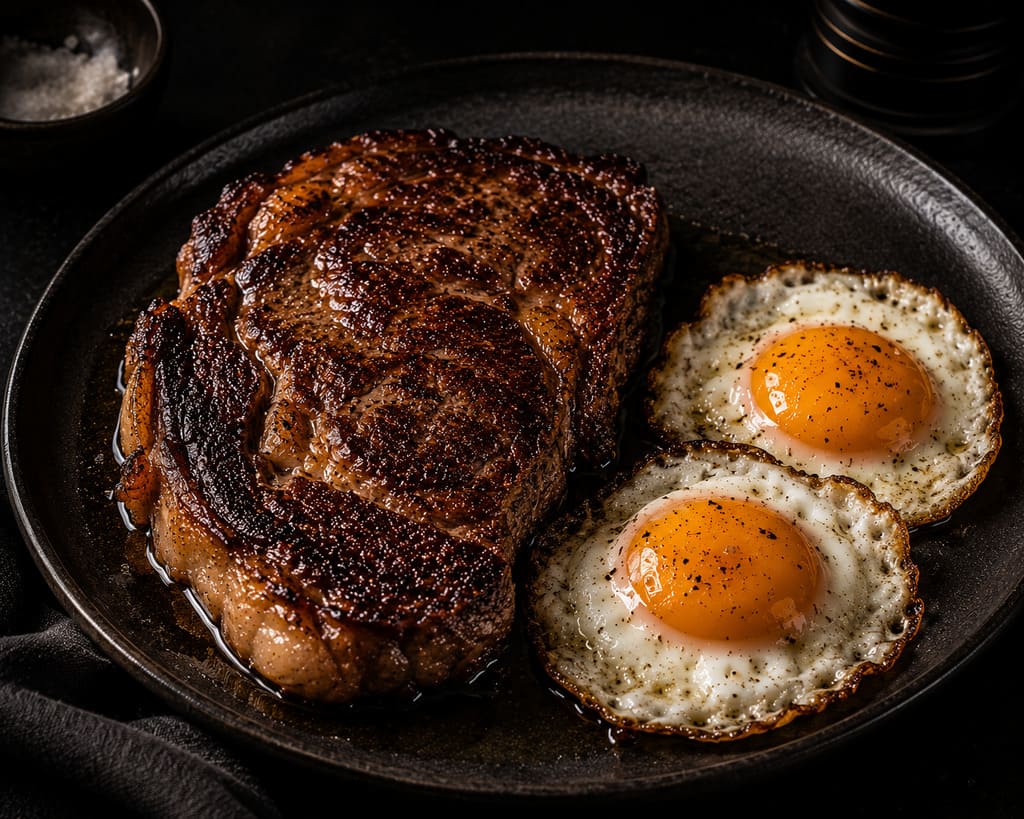
Burger Patties and Eggs
This is one of the easiest beginner meals. Make kosher beef patties, fry them in tallow or schmaltz, and serve with eggs. It is simple, filling, and works well for a strict reset.
Steak with Pan Jus
Cook steak in a hot pan, remove it to rest, then reduce stock in the same pan. This gives you a rich sauce without cream, butter, or flour.
Roasted Chicken Thighs
Chicken thighs are practical, juicy, and affordable. Roast them until the skin is crisp, save the schmaltz, and use the leftovers for breakfast or lunch.
Ground Beef Skillet
Brown ground beef until deeply flavoured, then add eggs directly to the pan. This is one of the fastest kosher carnivore meals for busy days.

Bone Broth and Meat
Bone broth can be useful when you want something warm and simple. Pair it with burger patties, shredded chicken, or sliced steak for a light but satisfying meal.
Using Carnivore as a Kosher Reset
At KosherVore, carnivore is not treated like a religion. It is a tool. A strict carnivore reset can help you remove common trigger foods for a short period, then add foods back slowly to see how your body responds.
This can be especially useful if you are coming from keto but still struggling with cravings, bloating, overeating, or constant snacking. By simplifying your meals down to kosher animal foods, you reduce variables. Then you can test foods one at a time.
For example, you may remove dairy, nuts, sweeteners, keto breads, vegetables, and sauces for a reset. After a period of consistency, you might reintroduce one food and watch how you feel. This makes carnivore practical instead of extreme.
What To Avoid on Kosher Carnivore
Keeping carnivore kosher also means knowing what not to include. This keeps your plan clean and avoids confusion.
Avoid Pork and Bacon
Many carnivore recipes online use bacon or pork belly. These are not kosher and should not be used in KosherVore recipes.
Avoid Shellfish
Shrimp, crab, lobster, and other shellfish are not kosher. Stick to permitted kosher fish with fins and scales.
Avoid Cheeseburger-Style Meals
A meat burger with cheese is not suitable for a kosher meat meal. If you want a dairy meal, keep it separate and do not combine it with meat.
Avoid Processed Low-Carb Snacks During a Reset
Keto bars, sweeteners, nut flours, and low-carb desserts may technically be low-carb, but they can make a carnivore reset less useful. Keep things simple if your goal is elimination.
Meal Prep for Kosher Carnivore
Meal prep is what makes kosher carnivore realistic. Without ready food, it is easy to fall back on snacks or emergency meals that do not fit your goals.

Cook Two Proteins at a Time
For example, cook burger patties and chicken thighs on the same prep day. This gives you variety without making your week complicated.
Keep Eggs Ready
Boiled eggs are useful for quick meals. Fried eggs can turn leftovers into breakfast in minutes.
Freeze Portions
Freeze cooked patties, sliced steak, and chicken portions so you always have a backup meal ready. This is especially helpful before Shabbat, busy workdays, or travel days.
Make Stock Weekly
Homemade chicken stock is one of the best habits for kosher carnivore cooking. Use wings, bones, skin, and enough time to create a rich base. Chill it, separate the schmaltz, and freeze both the stock and fat in portions.
How Kosher Carnivore Fits Into KosherVore
KosherVore is not only carnivore. It is a practical kosher low-carb system that can move from low-carb to keto, ketovore, and carnivore depending on your goals. Carnivore is the strictest option and works best as a reset, elimination tool, or simple structure for people who feel better with fewer ingredients.
Some people will stay carnivore most of the time. Others will use carnivore for a few weeks, then move back to ketovore or keto. That flexibility matters. The goal is not to win a diet argument. The goal is to find a way of eating that helps you feel better, stay consistent, and keep kosher without confusion.
Helpful KosherVore Links
- What Is Carnivore? A Simple Kosher Beginner’s Guide
- What Is Ketovore?
- Ketovore Meal Ideas
- Beef Recipes
- Chicken Recipes
- Browse All Recipes
Final Thoughts
Keeping carnivore kosher is not about making the diet harder. It is about making it cleaner, simpler, and more practical for a kosher kitchen. Once you remove the non-kosher ingredients and stop relying on dairy in meat meals, the system becomes very clear.
Start with kosher protein. Add enough fat. Use simple cooking techniques. Keep fish separate. Keep dairy separate. Avoid doubtful ingredients. Repeat meals that work.
That is the heart of kosher carnivore. Not just carnivore. Not just keto. Just kosher, practical, meat-first eating that fits real life.
Ready to Build Your Kosher Carnivore Plan?
Start with simple meat-first meals, clean ingredients, and practical guides made for a fully kosher low-carb kitchen.
.kv-article-wrap{
width:100%;
background:#0f0f0f;
color:#f5efe4;
line-height:1.75;
overflow:hidden;
}
.kv-hero{
min-height:650px;
background-size:cover;
background-position:center;
display:flex;
align-items:center;
padding:90px 6%;
}
.kv-hero-inner{
max-width:820px;
background:rgba(0,0,0,.56);
padding:42px;
border-left:4px solid #c7a24d;
border-radius:18px;
}
.kv-kicker{
color:#c7a24d;
text-transform:uppercase;
letter-spacing:2px;
font-weight:700;
margin-bottom:12px;
}
.kv-hero h1{
font-size:clamp(38px,5vw,68px);
line-height:1.08;
color:#fff;
margin:0 0 22px;
font-weight:800;
}
.kv-hero-text{
font-size:clamp(18px,2vw,24px);
color:#f5efe4;
margin-bottom:28px;
}
.kv-hero-buttons{
display:flex;
flex-wrap:wrap;
gap:14px;
}
.kv-btn{
display:inline-block;
padding:14px 24px;
border-radius:999px;
text-decoration:none;
font-weight:700;
transition:.25s ease;
}
.kv-btn-primary{
background:#c7a24d;
color:#111;
}
.kv-btn-secondary{
border:1px solid #c7a24d;
color:#fff;
background:rgba(255,255,255,.04);
}
.kv-btn:hover{
transform:translateY(-2px);
opacity:.94;
}
.kv-content{
max-width:1040px;
margin:0 auto;
padding:70px 24px;
}
.kv-intro{
font-size:21px !important;
color:#fff !important;
}
.kv-content h2{
font-size:clamp(30px,3vw,44px);
color:#fff;
margin:56px 0 18px;
line-height:1.2;
}
.kv-content h3{
color:#c7a24d;
font-size:clamp(22px,2vw,30px);
margin:36px 0 12px;
}
.kv-content p{
font-size:18px;
color:#eadfcd;
margin-bottom:22px;
}
.kv-image-card{
margin:38px 0;
overflow:hidden;
border-radius:22px;
border:1px solid rgba(199,162,77,.28);
background:#181818;
}
.kv-image-card img{
width:100%;
display:block;
height:auto;
}
.kv-note-box,
.kv-related,
.kv-cta,
.kv-final-cta{
background:#171717;
border:1px solid rgba(199,162,77,.35);
border-radius:20px;
padding:34px;
margin:48px 0;
}
.kv-c