
What Is Keto? A Simple Kosher Beginners Guide
A simple, practical and kosher beginner’s guide to using keto as a structured low-carb approach that helps reduce sugar, control cravings, and build meals around protein, fat and real food.
Keto is a structured way of eating that lowers carbohydrates enough to encourage the body to rely more heavily on fat for fuel. For many people, it is the next step after basic low-carb eating because it gives clearer boundaries, stronger food structure, and a more practical way to manage cravings.
At KosherVore Kitchen, keto is kept practical and fully kosher. That means no bacon, no pork, no shellfish, no meat and dairy combinations, and no meat and fish combinations. The goal is not to copy non-kosher keto recipes and force them into a kosher kitchen. The goal is to build a kosher version from the beginning.
A kosher keto lifestyle can include satisfying food: chicken, beef, lamb, eggs, fish meals, dairy meals, avocado, low-carb vegetables, olive oil, herbs, spices, soups, salads, sauces and simple desserts when used carefully. The key is learning how keto works, what belongs on the plate, and how to keep meals simple enough to repeat.
Quick Answer: What Is Keto?
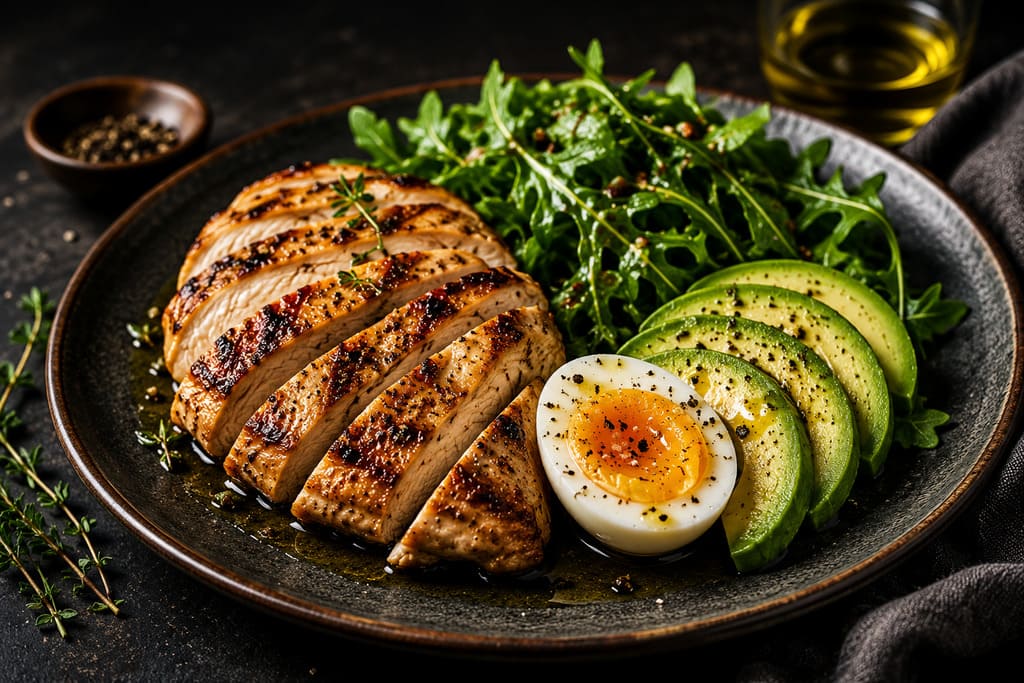
Keto is a structured low-carb way of eating that usually keeps carbohydrates low enough to encourage ketosis. Most people focus on protein, healthy fats, and low-carb foods while avoiding sugar, bread, pasta, rice, potatoes, sweets, pastries and most processed high-carb foods.
Keto, Simplified
Keto does not need to be complicated. At its core, it is about lowering carbohydrates, eating enough protein, using fat for flavour and satisfaction, and choosing foods that help you stay full without constant snacking. It is stricter than general low-carb, but it does not need to feel extreme.
Many beginners think keto means eating strange products, buying expensive substitutes, or cooking complicated recipes every day. That is not necessary. The best keto meals are often simple: eggs and avocado, chicken with salad, salmon with olive oil, steak with low-carb vegetables, or a dairy meal with cheese, eggs and cucumber.
The Simple Keto Framework
- Fewer carbs: reduce sugar, bread, pasta, rice, potatoes, cakes, biscuits and processed snacks.
- Enough protein: build meals around kosher meat, poultry, eggs, fish meals or dairy meals.
- Healthy fats: use fats for flavour, satisfaction and meal structure.
- Real food first: prioritise ingredients you recognise instead of living on keto snacks.
- Kosher clarity: keep meat, dairy and fish meals properly separate.
What Does Keto Mean?
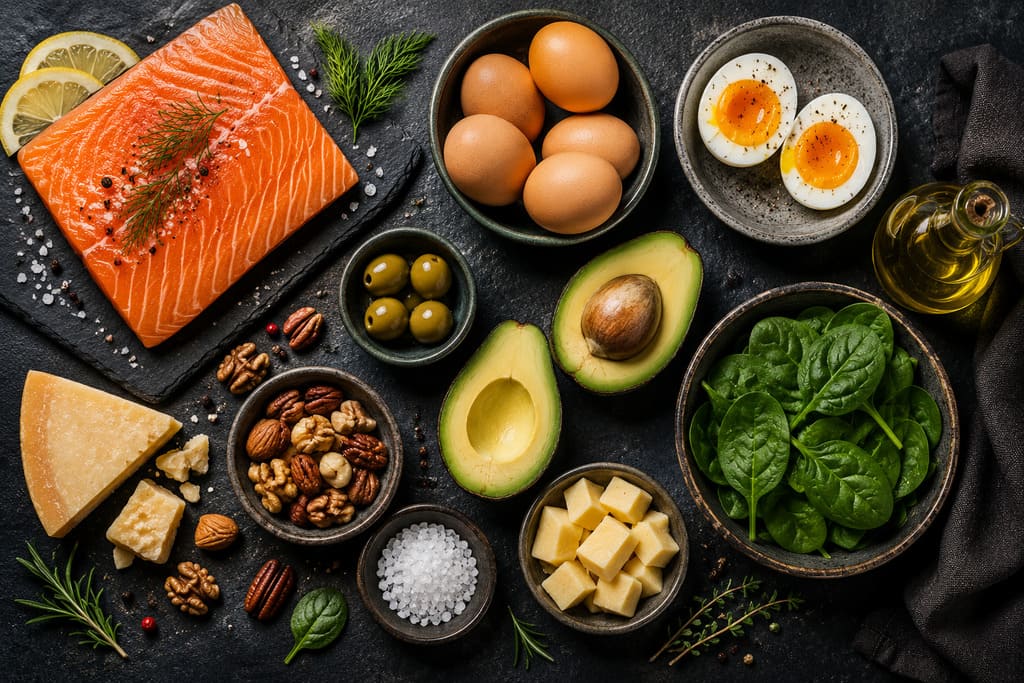
Keto is short for ketogenic. A ketogenic diet lowers carbohydrates enough to encourage the body to enter a state called ketosis, where fat becomes a more important fuel source instead of relying mostly on carbohydrates.
In normal high-carb eating, many meals are built around bread, pasta, rice, potatoes, cereal, sugar, sweet drinks or desserts. Keto changes the structure. The meal becomes protein first, low-carb vegetables or carefully chosen sides second, and fat used for satisfaction.
For many people, keto means staying somewhere around 20g to 50g of carbs daily. Some people need to stay closer to 20g. Others can tolerate a little more. The exact number depends on your body, your goals, your activity level and your personal response.
Why Do People Try Keto?
People usually move from low-carb into keto because they want more structure and consistency. Keto often helps people reduce cravings, feel fuller longer, snack less, improve appetite control, simplify eating, stabilise energy and lose weight more consistently.
Many people also find that keto removes the constant cycle of sugar spikes, cravings, energy crashes and mindless snacking. When meals contain enough protein and fat, hunger often becomes easier to manage naturally.
Common Reasons People Start Keto
- They want to reduce sugar and processed carbs.
- They want better appetite control.
- They want fewer cravings.
- They want a clear food structure.
- They want to move beyond flexible low-carb.
- They want meals that feel more filling.
- They want a practical step before ketovore or carnivore.
Keto Is Not Magic
Keto can be powerful, but it is not magic. You still need consistency. You still need reasonable food choices. Eating large amounts of processed keto snacks can still cause problems. A food can be low-carb on paper and still not be helpful in real life.
This is one of the biggest mistakes beginners make. They remove bread and sugar, then replace them with endless keto desserts, keto bars, low-carb wraps, nut flour snacks and sweeteners. Some of these foods can be useful occasionally, but they should not become the foundation of the diet.
At KosherVore, the focus stays on protein first, simple ingredients, practical meals and real food. Not endless keto treats. The more the food looks like actual food, the easier the lifestyle usually becomes.
Practical Keto Rule
If a keto food makes you want more food, treat it carefully. It may be low-carb, but it may not be helping your appetite, cravings or consistency.
Real Food. Real Simple.
One of the biggest misconceptions about keto is that it requires strange products or complicated recipes. It does not. Simple keto meals can be built from real kosher ingredients that are easy to understand and repeat.
The easiest keto meals usually start with one clear protein. Then you add a low-carb side if needed and enough fat for satisfaction. That may be olive oil, avocado, egg yolks, cheese in a dairy meal, schmaltz in a meat meal, or the natural fat from the protein itself.
Simple keto meals often include steak with vegetables, chicken with salad, eggs and avocado, salmon with olive oil, burgers without buns, lamb chops with low-carb sides, cheese and eggs in a dairy meal, or meat with simple kosher sauces.
- Steak with low-carb vegetables.
- Chicken thighs with salad.
- Eggs and avocado.
- Salmon with olive oil and herbs.
- Burgers without buns.
- Lamb chops with cauliflower mash.
- Dairy omelette with cheese and cucumber.
- Soup made with chicken stock and low-carb vegetables.
Keto Can Be Fully Kosher
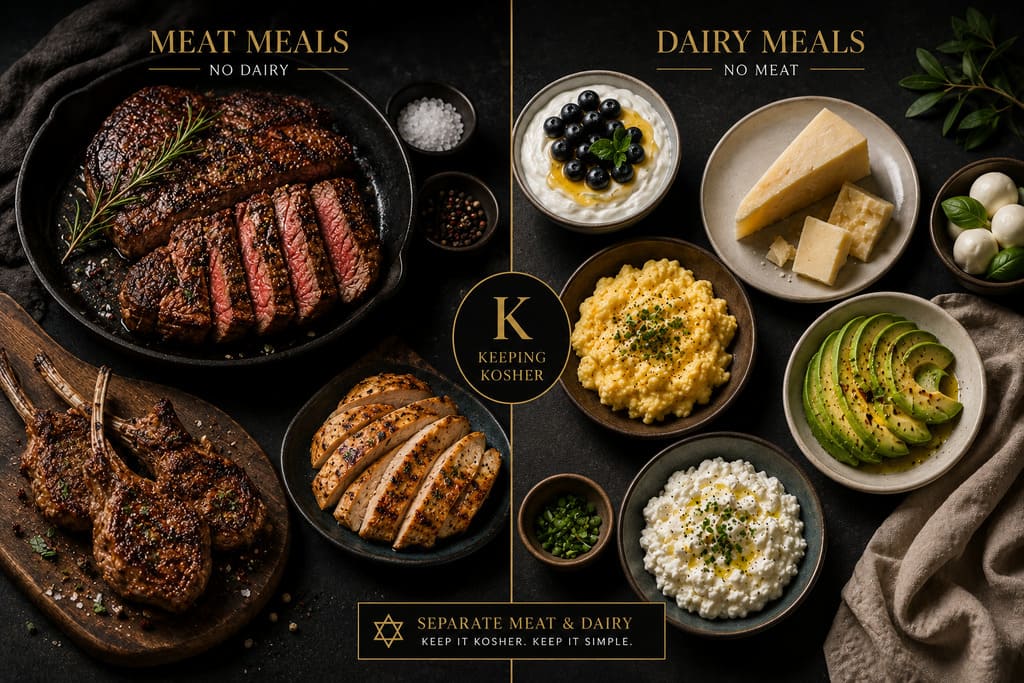
Kosher eating already teaches structure and food awareness. KosherVore keeps keto simple by separating meat meals, dairy meals and fish meals clearly. This matters because much of the keto advice online is not written for a kosher kitchen.
Many non-kosher keto recipes use bacon, pork rinds, cheeseburgers, butter on steak, cream sauces with chicken, shellfish or mixed meat-and-dairy dishes. Those recipes cannot simply be copied. They need to be replaced with proper kosher keto structures.
Meat Meals
Meat meals can include beef, lamb, chicken, turkey, eggs, healthy fats, stock, pan sauces and low-carb vegetables, all kept within kosher rules. Richness comes from browned meat, schmaltz, tallow, roasting, searing, broth and reduction, not from cheese or cream.
Dairy Meals
Dairy meals can include cheese, yoghurt, eggs, cream, avocado, olive oil and low-carb vegetables. These should stay clearly separate from meat meals. Dairy can be useful, but it should not become a way to create kosher confusion.
Fish Meals
Fish can fit keto very well, especially salmon, tuna, sardines and white fish. In KosherVore cooking, fish is treated carefully and kept separate from meat. A fish meal can use olive oil, herbs, lemon, avocado or low-carb vegetables.
What Foods Can You Eat on Kosher Keto?
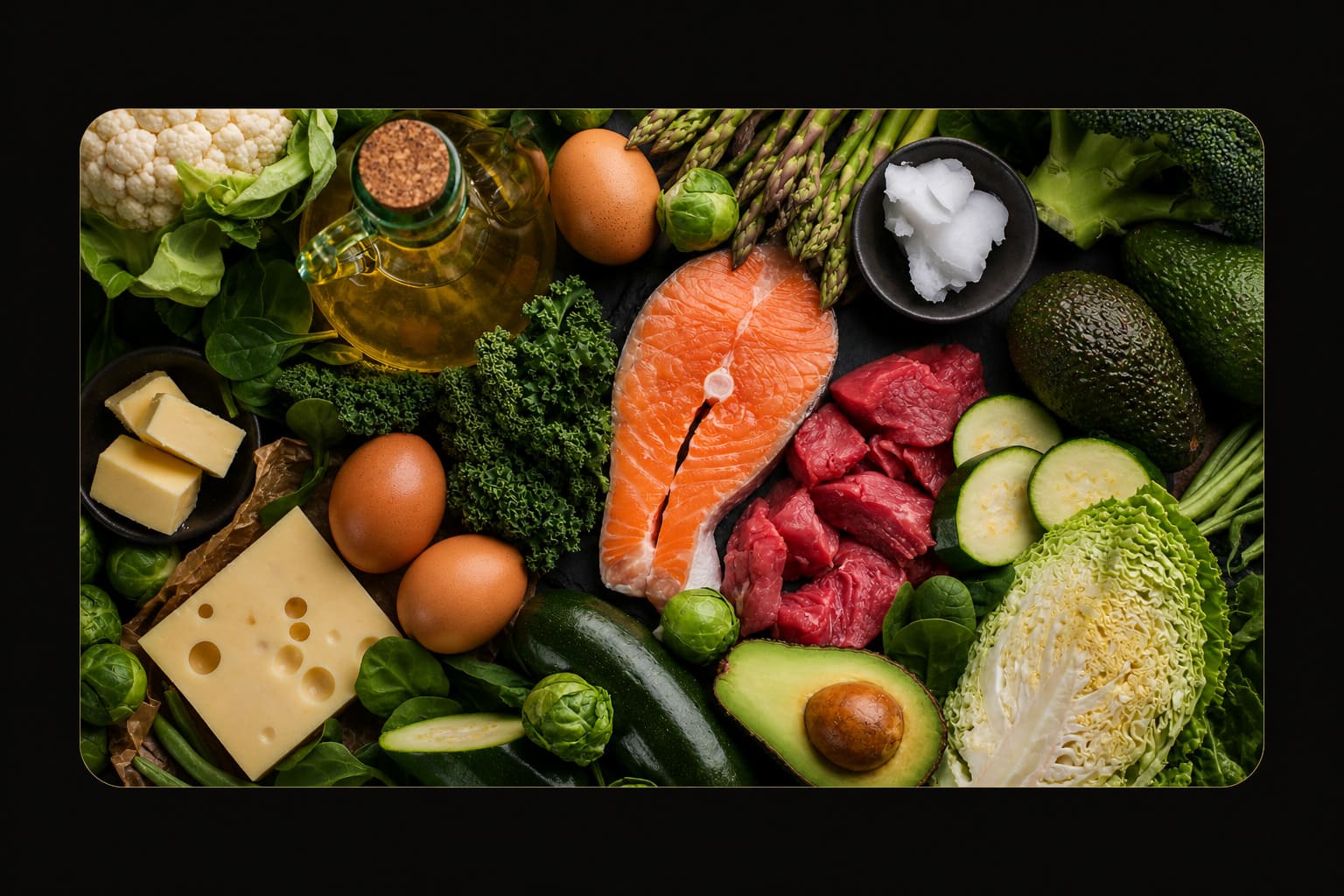
Kosher keto is easier when you think in categories. You do not need to memorise hundreds of recipes. You need to know which foods belong in meat meals, which foods belong in dairy meals, which foods belong in fish meals and which foods should be limited.
Meat and Poultry
- Beef steaks
- Burgers without buns
- Brisket
- Lamb chops
- Chicken thighs
- Chicken wings
- Roast chicken
- Turkey
- Meat-based soups and broths
Fish
- Salmon
- Tuna
- Sardines
- White fish
- Fish salads without meat
- Fish with olive oil, herbs and lemon
Eggs and Dairy Meals
- Eggs
- Cheese in dairy meals
- Plain Greek-style yoghurt
- Cottage cheese
- Cream in dairy meals
- Low-carb dairy desserts when used carefully
Low-Carb Extras
- Avocado
- Cucumber
- Leafy greens
- Cauliflower
- Broccoli if tolerated
- Courgette
- Olives
- Pickles without added sugar
- Herbs and spices
Start With Real Food
Keto works best when meals are simple, satisfying and built around real kosher ingredients.
Browse KosherVore RecipesWhat Foods Should You Avoid on Keto?
Keto is not only about adding fat. It is mostly about reducing the foods that keep carbohydrates high and cravings active. The biggest changes usually come from removing sugar, flour, starch and processed snack foods.
High-Carb Foods to Avoid or Limit
- Bread
- Pasta
- Rice
- Potatoes
- Cereal
- Pastries
- Cakes and biscuits
- Sweets and chocolate with sugar
- Fruit juice
- Sugary drinks
- Most breakfast cereals
- Most processed snack foods
Non-Kosher Foods to Avoid Completely
- Pork
- Bacon
- Shellfish
- Non-kosher meat
- Meat and dairy combinations
- Meat and fish combinations
- Unclear packaged foods without reliable kosher status
Keto Is Not Carnivore
People often confuse keto and carnivore, but they are not the same thing. Keto still allows vegetables, dairy, avocado, nuts, herbs, spices and low-carb sauces. Carnivore removes plant foods almost completely.
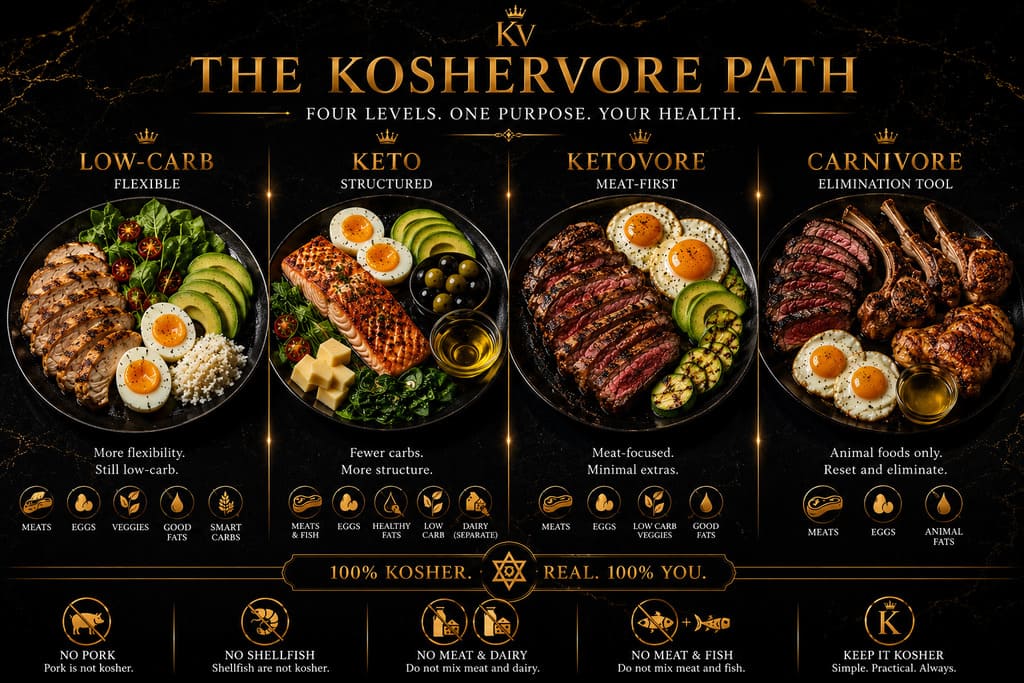
Keto is usually more flexible. Carnivore is usually stricter. Ketovore sits between the two. That is why the KosherVore path is useful: it gives you levels instead of forcing you into one label forever.
- Low-carb: flexible reduction of sugar and starch.
- Keto: structured low-carb with clearer carb limits.
- Ketovore: meat-first simplicity with low-carb flexibility.
- Carnivore: stricter elimination and reset tool.
If keto is working well, you may not need to go stricter. If keto becomes too snack-heavy, ketovore may help. If you need a short reset or elimination phase, carnivore may be useful. The goal is not to win a diet competition. The goal is to find the structure that helps you stay consistent.
Keto vs Low-Carb
Low-carb and keto are related, but they are not identical. Low-carb is usually more flexible. Keto is more structured. Low-carb might simply mean reducing sugar, bread, pasta and rice. Keto usually means keeping carbs low enough to encourage ketosis.
Low-Carb Works Well When
- You are just starting out.
- You want flexibility.
- You are cooking for a family.
- You want to reduce sugar without going strict.
- You prefer a slower transition.
Keto Works Well When
- You want clearer boundaries.
- You need stronger appetite control.
- You want fewer carb decisions.
- You want more structure than low-carb.
- You are ready to track or control carbs more carefully.
Keto vs Ketovore
Keto often includes more variety: low-carb vegetables, dairy meals, nuts, seeds, sauces, low-carb baking and occasional keto desserts. Ketovore narrows the focus and makes animal foods the centre of the plate.
If keto gives you enough structure and you feel good, you may not need to move toward ketovore. But if keto becomes too complicated, ketovore can make meals simpler by asking one main question: what protein are you eating?
Keto Plate
A keto plate might include chicken, salad, avocado and olive oil. Or salmon with low-carb vegetables. Or a dairy omelette with cheese and cucumber.
Ketovore Plate
A ketovore plate is usually more meat-first: steak and eggs, burger patties, chicken thighs, salmon, lamb chops or ground beef, with small extras only if they help.
Simple Difference
Keto asks, “How low are the carbs?” Ketovore asks, “Is this meal mostly protein and animal foods?”
How to Build a Kosher Keto Plate
A good kosher keto plate starts with clarity. First decide whether the meal is meat, dairy or fish. Then build the rest of the plate around that decision. This avoids confusion and keeps the meal kosher from the start.
Step 1: Choose the Meal Type
- Meat meal: beef, lamb, chicken, turkey, eggs if used in your custom, stock, schmaltz and low-carb sides.
- Dairy meal: eggs, cheese, yoghurt, cream, avocado, olive oil and low-carb vegetables.
- Fish meal: kosher fish, olive oil, herbs, lemon, avocado and low-carb sides.
Step 2: Choose the Protein
Protein keeps keto grounded. Without enough protein, keto can turn into snacks, sauces and fat without real satisfaction. Choose chicken, beef, fish, eggs, dairy protein or lamb as the centre of the meal.
Step 3: Add Low-Carb Sides
Use low-carb sides to support the meal, not dominate it. Good options include cucumber, leafy greens, cauliflower, courgette, avocado, herbs, olives and small portions of low-carb vegetables.
Step 4: Add Fat for Satisfaction
Fat makes meals satisfying, but it should not be forced. In meat meals, use pan juices, stock reduction, schmaltz, tallow or olive oil. In dairy meals, use cheese, cream, butter or yoghurt when appropriate. In fish meals, use olive oil or the natural fat from the fish.
Beginner Keto Breakfast Ideas
Breakfast is often where beginners struggle because many traditional breakfast foods are high in carbs. Toast, cereal, porridge, pastries and sweet yoghurt do not fit keto well. The easiest fix is to make breakfast protein-focused.
Eggs and Avocado
Eggs and avocado are simple, filling and naturally low-carb. You can add cucumber, herbs or olive oil depending on the meal.
Cheese Omelette
A cheese omelette works well as a dairy meal. Keep it separate from meat and serve it with cucumber, avocado or a small salad.
Leftover Chicken
Breakfast does not need to look like breakfast. Leftover chicken thighs can be a strong keto meal when you want protein first.
Salmon and Eggs
A fish-based breakfast can include salmon and eggs if that fits your kosher practice. Keep fish separate from meat meals and season simply.
Beginner Keto Lunch Ideas
Lunch should be practical. If keto lunch is too complicated, it becomes easy to grab something high-carb. The best keto lunches are usually simple combinations that can be prepared ahead.
Chicken Salad
Use chicken, greens, cucumber, avocado and olive oil. Keep dressings clean and avoid sugar-heavy sauces.
Tuna and Eggs
Tuna with boiled eggs, cucumber and olive oil can be quick, affordable and filling. It works well when you need a simple fish meal.
Burger Patties Without Buns
Burger patties can be made ahead and served with pickles, cucumber or salad. Do not add cheese to meat burgers in a kosher meal.
Dairy Bowl
A dairy lunch can include cottage cheese, eggs, cucumber, avocado and herbs. Keep it clearly dairy and separate from meat meals.
Beginner Keto Dinner Ideas
Dinner is where keto can feel easiest because most people already understand protein-based meals. The main change is removing high-carb sides like rice, potatoes, pasta, bread and sugary sauces.
Steak with Cauliflower Mash
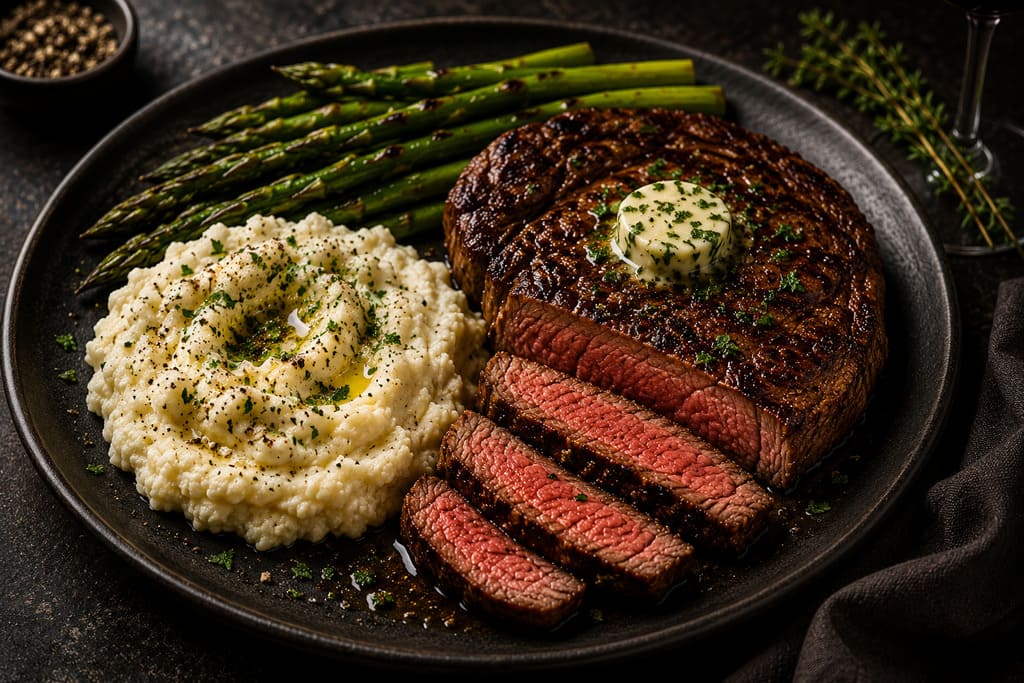
Steak with cauliflower mash is a classic keto-style meal. For a kosher meat meal, keep it dairy-free. Use olive oil, stock, pan juices or schmaltz instead of butter or cream.
Chicken Thighs with Salad
Chicken thighs are practical because they stay juicy and satisfying. Serve with cucumber salad, leafy greens, avocado or roasted low-carb vegetables.
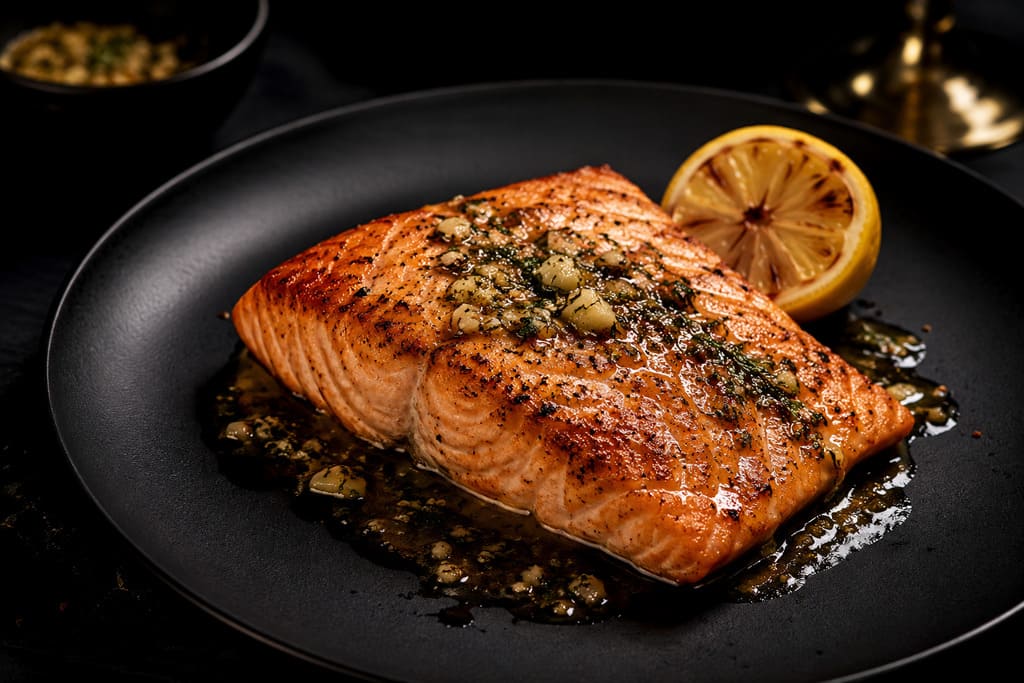
Salmon with Herbs and Olive Oil
Salmon is naturally rich and works well with olive oil, herbs, lemon and low-carb vegetables. Keep fish meals separate from meat meals.
Lamb Chops with Low-Carb Sides
Lamb chops are satisfying and naturally rich. Use simple seasoning, proper browning and a low-carb side such as cauliflower, courgette or cucumber salad.
How to Keep Keto Simple on Shabbat and Yom Tov
Keto can feel more challenging around Shabbat and Yom Tov because meals often include challah, kugel, potatoes, desserts and multiple courses. The goal is not to make those days stressful. The goal is to plan ahead and keep the main structure clear.
Start with Protein
Build the meal around chicken, meat, fish as a separate course, eggs or dairy meals depending on the setting. When protein is strong, it becomes easier to avoid filling up on carbs.
Plan Low-Carb Sides
Use salads, roasted low-carb vegetables, cucumber, avocado, cauliflower, courgette or simple vegetable dishes without sugar-heavy sauces.
Be Careful with Desserts
Keto desserts can be useful, but they can also keep cravings alive. Use them intentionally rather than making them the centre of every meal.
Do Not Aim for Perfect
Some people choose to stay strict. Others stay low-carb rather than keto for special meals. KosherVore is about structure and direction, not guilt.
Common Keto Mistakes Beginners Make
Most keto problems come from overcomplicating the plan or focusing on the wrong thing. Keto should make eating clearer, not more stressful.
Mistake 1: Eating Too Little Protein
Some people focus so much on fat that they forget protein. Protein should anchor the meal. If you are hungry soon after eating, check whether the meal had enough protein.
Mistake 2: Adding Fat for No Reason
Keto uses fat, but more fat is not always better. Add fat for flavour and satisfaction, not because you feel forced to hit a number.
Mistake 3: Living on Keto Treats
Keto bread, keto cakes, keto cookies and keto bars can keep cravings active. They may be low-carb, but they should not replace real food.
Mistake 4: Copying Non-Kosher Recipes
Do not copy recipes that mix meat and dairy or use non-kosher ingredients. Build kosher keto meals properly from the beginning.
Mistake 5: Going Too Strict Too Fast
Beginners do not always need to jump straight into strict keto, ketovore or carnivore. Starting with low-carb first may be more sustainable.
Need an Easier Starting Point?
Start with low-carb, then move into keto when you want more structure. You do not need to become perfect overnight.
Read the Start Here GuideHow Keto Helps with Cravings
Cravings are one of the biggest reasons people try keto. Sugar and processed carbs can create a cycle where you eat, feel satisfied briefly, crash, then want more. Keto helps by reducing the foods that feed that cycle.
When meals are built around protein and fat, many people feel fuller for longer. This does not mean cravings disappear instantly, but it often makes them easier to manage.
What Helps Most
- Eating enough protein.
- Removing sugar and flour.
- Avoiding constant snacking.
- Keeping meals simple.
- Using salt and fluids properly.
- Avoiding trigger foods, even if they are low-carb.
If keto treats keep cravings alive, try a simpler plan for a while. This is where ketovore can sometimes help because it reduces food choices and brings the focus back to protein.
How Keto Fits the KosherVore Progression
KosherVore uses a simple progression: low-carb, keto, ketovore and carnivore. These are not competing identities. They are tools.
Low-Carb
Low-carb is usually the easiest starting point. It helps reduce sugar and starch without requiring strict rules.
Keto
Keto adds more structure. It keeps carbs lower and helps many people improve appetite control.
Ketovore
Ketovore is more meat-first. It removes many low-carb extras and simplifies decision-making.
Carnivore
Carnivore is the strictest stage and is often best used as a reset or elimination tool.
How to Start Keto Without Overthinking
You do not need to understand every detail before beginning. Start by changing the meals you already eat. Remove the obvious carbs, add enough protein and choose simple low-carb sides.
Week 1: Remove the Obvious Sugar and Starch
Focus on bread, pasta, rice, potatoes, cakes, biscuits, sweets, sugary drinks and breakfast cereals. Do not worry about perfection yet.
Week 2: Build Protein-First Meals
Make sure each meal has a clear protein source. Chicken, beef, eggs, fish, dairy meals and lamb can all work when kept kosher.
Week 3: Lower Carbs More Carefully
Once the obvious carbs are gone, look at hidden carbs in sauces, snacks, fruit, nuts, sweeteners and packaged foods.
Week 4: Decide Your Next Level
Some people stay keto. Some move toward ketovore. Some use carnivore for a reset. Choose the level that supports your body and lifestyle.
Simple Kosher Keto Meal Plan Example
This sample day is not a strict prescription. It is a simple example of how kosher keto can look in real life.
Breakfast
Eggs with avocado and cucumber, or a dairy omelette with cheese and herbs.
Lunch
Chicken salad with olive oil, cucumber, avocado and leafy greens, or tuna with eggs and olive oil as a separate fish meal.
Dinner
Steak with cauliflower mash made without dairy, chicken thighs with roasted low-carb vegetables, or salmon with herbs and olive oil.
Optional Snack
Boiled eggs, olives, cucumber, plain yoghurt in a dairy context, or a small portion of cheese in a dairy meal.
Simple Reminder
Keto meals do not need to be fancy. The more repeatable they are, the easier the lifestyle becomes.
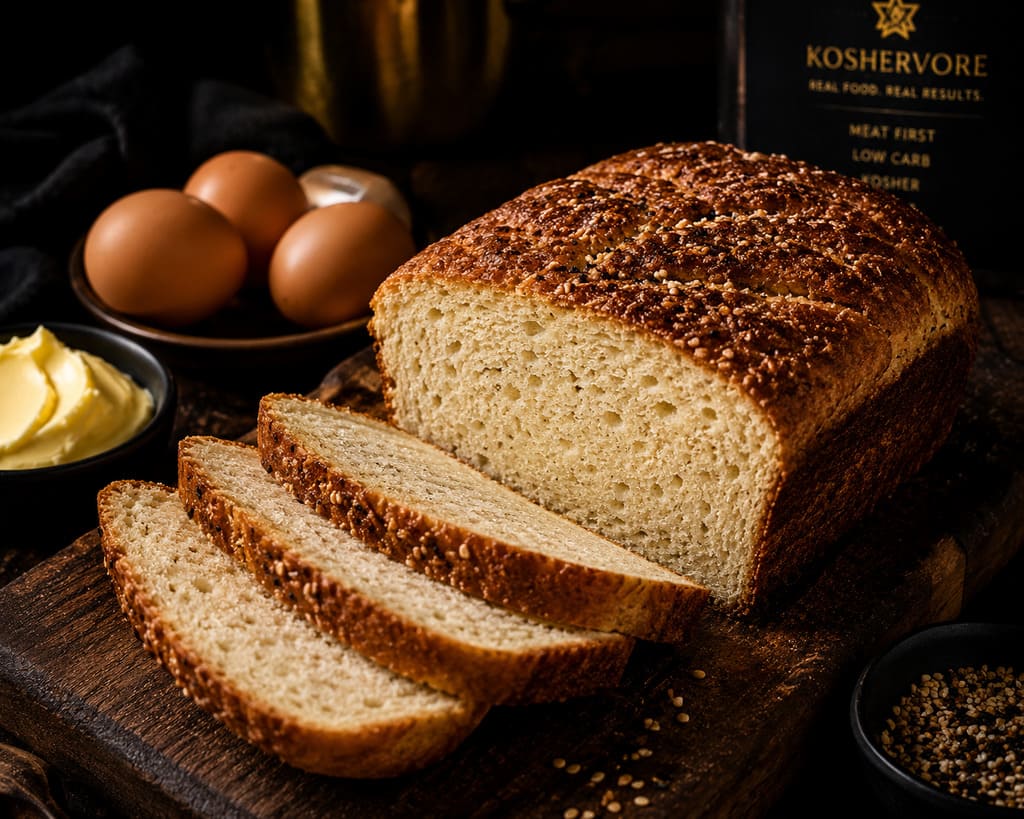
What About Keto Bread and Desserts?
Keto bread and desserts can be useful, especially when you are trying to make the lifestyle feel more flexible. But they need to be used carefully.
Some people can enjoy keto bread occasionally without problems. Others find that it keeps cravings alive. The same applies to keto cheesecake, cookies, chocolate, sweeteners and nut flour recipes.
Use Keto Substitutes When
- They help you stay consistent.
- They do not trigger cravings.
- They are clearly kosher.
- They fit the meal type properly.
- They are occasional, not the foundation.
Reduce Keto Substitutes When
- You want to snack more after eating them.
- Your cravings return.
- You stop eating enough protein.
- Your progress stalls.
- You feel like you are recreating old habits.
Helpful KosherVore Guides
Keto becomes easier when you understand how it fits into the larger KosherVore system. These guides can help you choose your starting point and next step.
Final Thoughts: Keto Should Make Food Simpler
Keto is not about perfection. It is about simplifying food enough to make consistency easier. When you remove sugar and processed carbs, build meals around protein and keep kosher rules clear, keto can become practical instead of confusing.
The best keto plan is not the strictest plan on the internet. It is the one you can actually live with. Some people use keto as their long-term structure. Others use it as a bridge toward ketovore. Some eventually use carnivore as a reset. All of those options can fit inside the KosherVore path.
Start simple. Build real meals. Keep meat, dairy and fish separate. Avoid non-kosher shortcuts. Pay attention to how your body responds. Then adjust your level of restriction based on what actually works.
Simple Food. Real Results.
Keto works best when it is practical, kosher, repeatable and built around real food.